


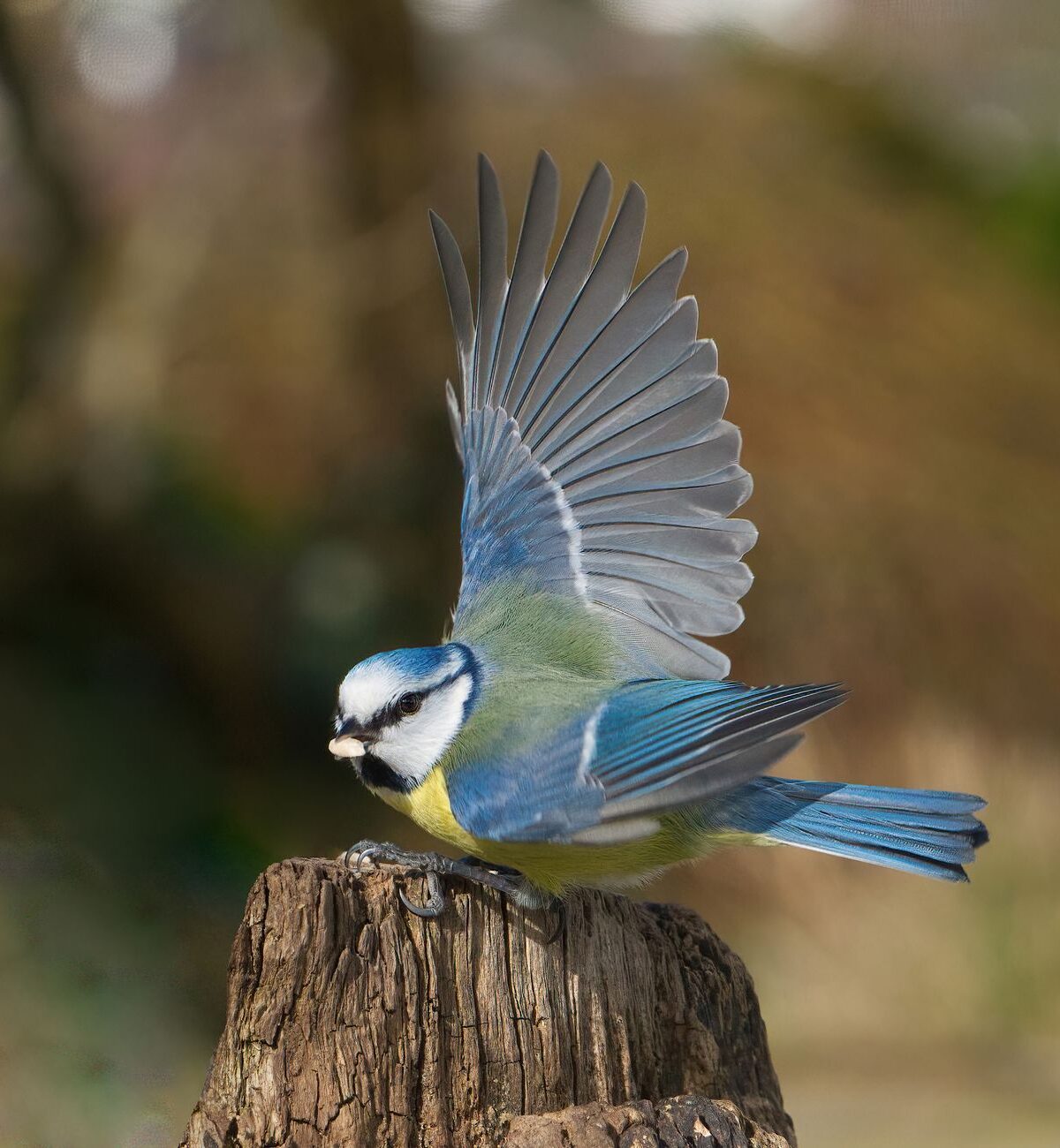
EURASIAN BLUE TIT
Cyanistes caeruleus
DESCRIPTION
Eurasian Blue Tit (Cyanistes caeruleus) is commonly known as the Blue Tit. This small passerine bird is characterized by its vibrant blue and yellow plumage, with a distinctive black stripe running across its eyes. Known for its acrobatic behavior, the Blue Tit often hangs upside down while foraging for food, showcasing its adaptability in various environments.
FUN FACTS
- Eurasian Blue Tits are known for their intelligence and problem-solving abilities, often using tools to access food
- They have been observed using twigs to extract insects from tree bark, showcasing their adaptability and resourcefulness.| These birds are also known for their complex vocalizations, which include a variety of calls and songs
- Their ability to communicate effectively helps them maintain social bonds and coordinate with flock members during foraging
QUICK INFO
Lifespan2-3 years in the wild, up to 10 years in captivity
Average Weight11-12 g
Average Length11-12 cm
Diet TypeOmnivore
Social Structurepair, often seen in small groups outside of breeding season
Activity PatternDiurnal
Breeding SeasonSpring (April-June)
- Habitat
- Eurasian Blue Tits inhabit a variety of wooded areas, including deciduous and mixed forests, as well as urban gardens and parks. They prefer habitats with plenty of trees and shrubs for foraging and nesting.
- Biomes
- Temperate Forest, Urban
- Native Range
- The Eurasian Blue Tit is native to Europe and parts of Asia, ranging from the British Isles to western Siberia.
- Continent
- Europe, Asia
- Countries
- United Kingdom, France, Germany, Spain, Italy, Russia
- Diet
- The diet of the Eurasian Blue Tit primarily consists of insects, seeds, and berries. They are known to forage actively in trees and shrubs, often using their agility to extract food from crevices.
- Diet Type
- Omnivore
- Favorite Food
- insects, seeds, berries
- Social Structure
- pair, often seen in small groups outside of breeding season
- Activity Pattern
- Diurnal
- Group Size
- 2-10
- Territorial
- 1
 LC
LC
 LC
LC
 LC
LC
11-12 g
Weight
11-12 cm
Length
- Coloration
- vibrant blue crown and wings, yellow underparts, and a black eye stripe
- Sexual Dimorphism
- males and females are similar in appearance, but males tend to be slightly brighter in color
- Lifespan
- 2-3 years in the wild, up to 10 years in captivity
- Offspring per Birth
- 5-12
- Sexual Maturity
- 1 year
- Breeding Season
- Spring (April-June)
LC
Least Concern
IUCN Red List Status
- Population Status
- The population of Eurasian Blue Tits is generally stable, with a wide distribution across their range.
- Wild Population Estimate
- millions
- Population Trend
- Stable
- Endangered
- 0
- Threats
- Main threats include habitat loss due to deforestation and urbanization. Climate change may also impact their food sources and breeding success.
- Predators
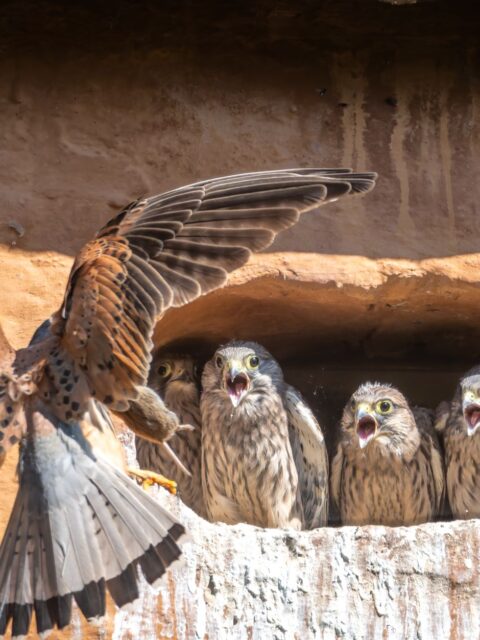
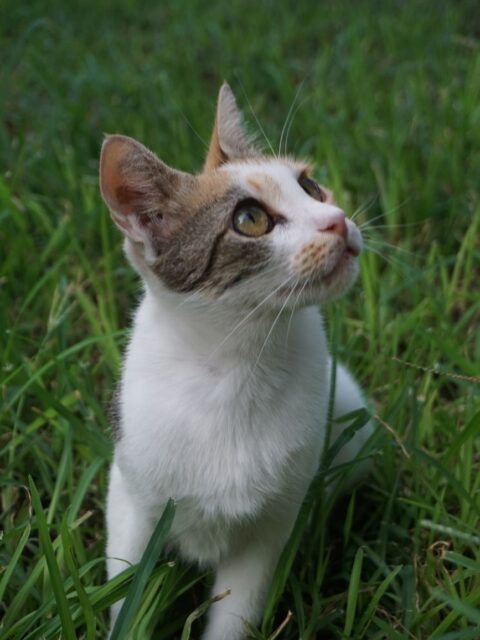
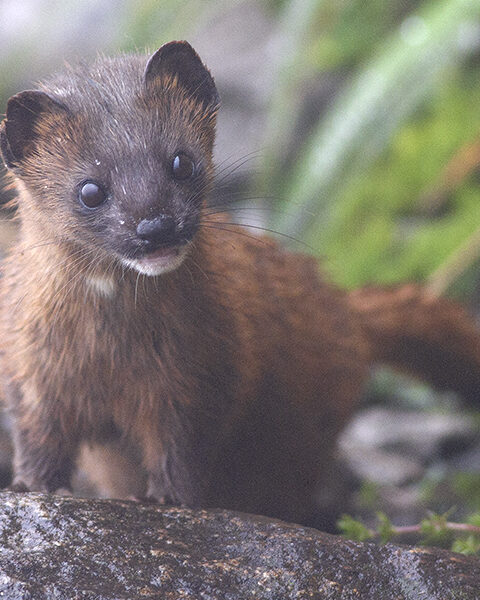
- sparrowhawks, domestic cats, weasels, and various birds of prey
- Defense Mechanisms
- Eurasian Blue Tits use alarm calls to warn others of predators and may engage in mobbing behavior to deter threats.
- Compatible Animals
- great tits, finches, robins
- Found in Zoos
- Common