


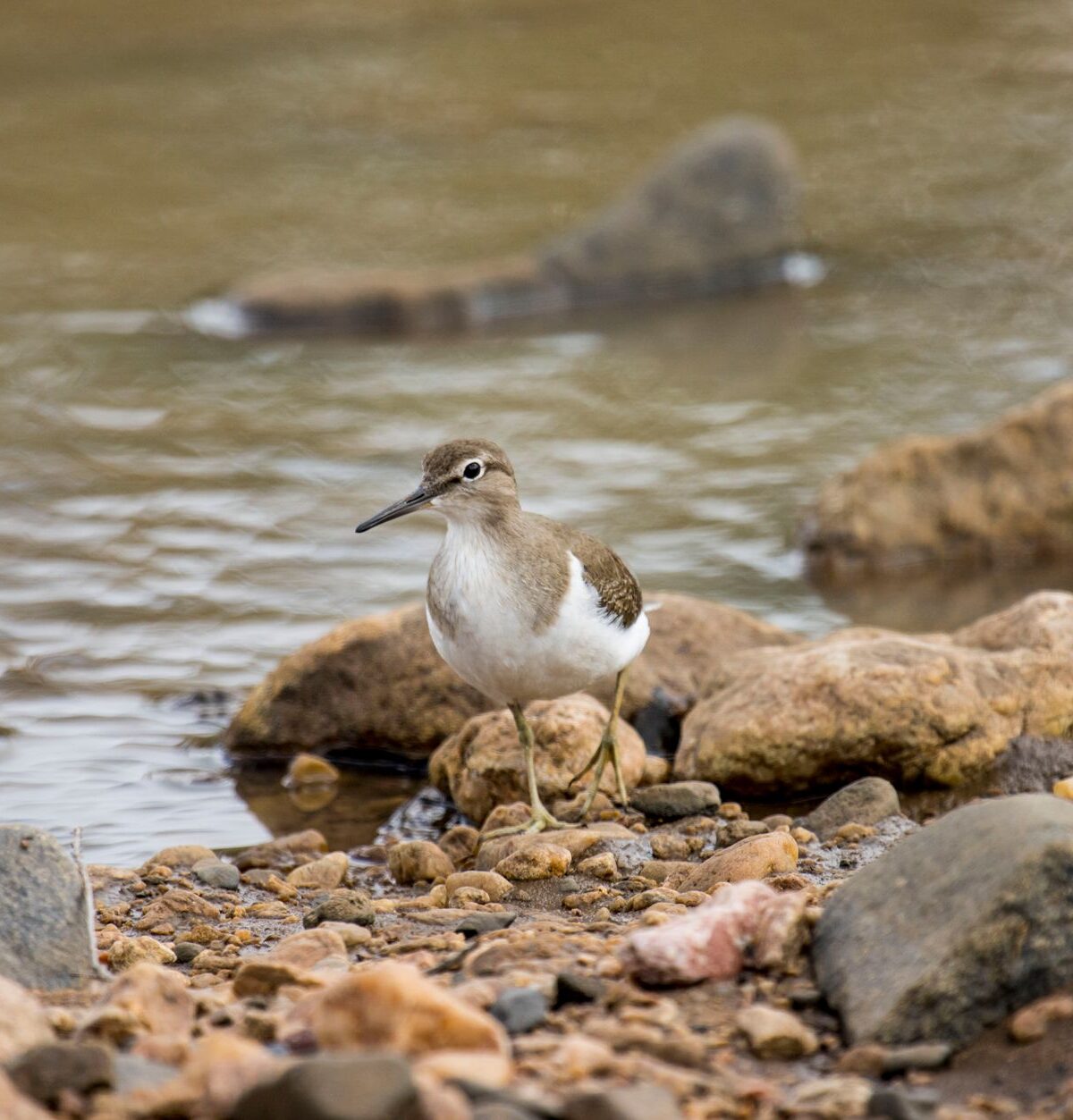
EURASIAN COMMON SANDPIPER
Actitis hypoleucos
DESCRIPTION
Eurasian Common Sandpiper (Actitis hypoleucos) is also known as the Common Sandpiper and is a small wading bird characterized by its distinctive brown upperparts and white underparts. This species is known for its unique behavior of bobbing its body while walking along the shorelines of rivers and lakes. It typically inhabits areas with shallow water where it forages for invertebrates and small aquatic animals.
FUN FACTS
- Eurasian Common Sandpipers are known for their unique foraging technique, where they use their long bills to probe into the mud for food, often seen running quickly along the water's edge
- They are also remarkable migrators, traveling thousands of kilometers between their breeding and wintering grounds, showcasing their incredible endurance and navigation skills
QUICK INFO
Lifespan5-10 years in the wild
Average Weight50-100 g
Average Length20-23 cm
Diet TypeInsectivore
Social Structuresolitary or in pairs, occasionally in small groups
Activity PatternDiurnal
Breeding SeasonSpring to early summer (April-July)
- Habitat
- This species prefers habitats near freshwater bodies such as rivers, lakes, and marshes, often found in areas with exposed mud or gravel. It can also be seen in coastal regions during migration.
- Biomes
- Wetlands, Freshwater, Coastal
- Native Range
- The Eurasian Common Sandpiper breeds across Europe and parts of Asia, migrating to Africa and southern Asia for the winter.
- Continent
- Europe, Asia, Africa
- Countries
- United Kingdom, France, Germany, Russia, India
- Diet
- The Eurasian Common Sandpiper primarily feeds on insects, crustaceans, and other small invertebrates found in mud and shallow water.
- Diet Type
- Insectivore
- Favorite Food
- insects, crustaceans
- Social Structure
- solitary or in pairs, occasionally in small groups
- Activity Pattern
- Diurnal
- Group Size
- 1-5
- Territorial
- 1

 VU
VU
 LC
LC
50-100 g
Weight
20-23 cm
Length
- Coloration
- brown upperparts with white underparts and a distinctive white line above the eye
- Lifespan
- 5-10 years in the wild
- Offspring per Birth
- 3-4
- Sexual Maturity
- 1 year
- Breeding Season
- Spring to early summer (April-July)
LC
Least Concern
IUCN Red List Status
- Population Status
- The population of Eurasian Common Sandpipers is generally stable, although some local declines have been noted.
- Wild Population Estimate
- 1,000,000-2,000,000
- Population Trend
- Stable
- Endangered
- 0
- Threats
- Main threats include habitat loss due to wetland drainage and pollution, as well as disturbance from human activities. Climate change may also impact their migratory patterns and breeding success.
- Predators
- Foxes, birds of prey, and larger wading birds can prey on eggs and chicks, while adult sandpipers may fall victim to various raptors.
- Defense Mechanisms
- Eurasian Common Sandpipers often rely on their cryptic coloration to blend into their surroundings, making them less visible to predators.
- Found in Zoos
- Rare