


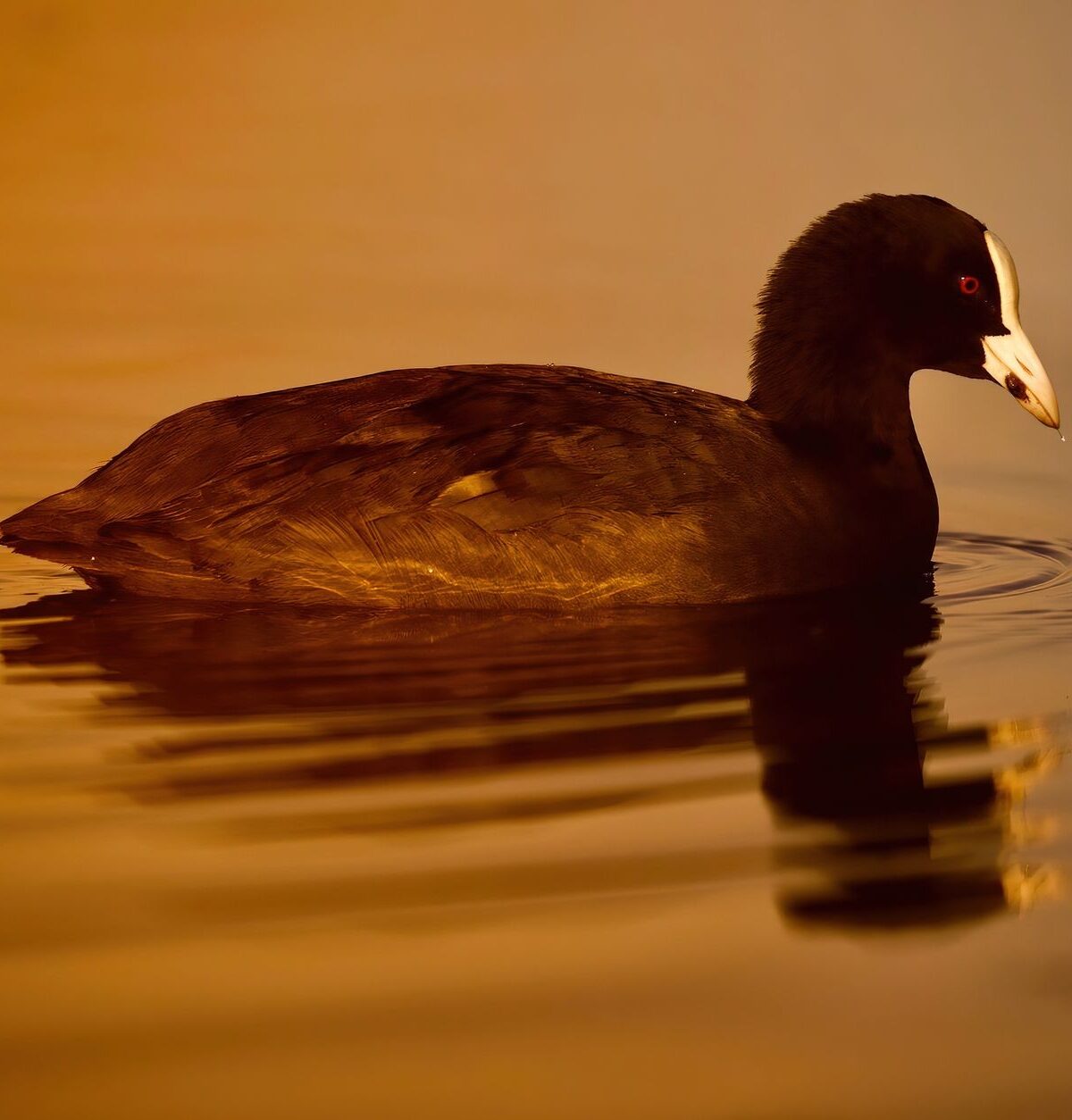
EURASIAN COOT
Fulica atra
DESCRIPTION
Eurasian Coot (Fulica atra) is commonly known as the Coot. This medium-sized waterbird is characterized by its distinctive black plumage, white frontal shield, and a stout, rounded body. They are often seen swimming in freshwater lakes and ponds, where they exhibit a unique behavior of diving and foraging for food underwater.
FUN FACTS
- Eurasian Coots are excellent swimmers and divers, capable of submerging themselves to forage for food
- They are also known for their unique courtship displays, which include synchronized swimming and mutual preening.|These birds are highly adaptable and can thrive in a variety of freshwater habitats, from urban parks to remote wetlands
- Their ability to forage both in water and on land allows them to exploit a wide range of food sources
QUICK INFO
Lifespan10-15 years in the wild
Average Weight700-1,200 g
Average Length32-39 cm
Diet TypeOmnivore
Social Structurepair, often seen in small groups outside of breeding season
Activity PatternDiurnal
Breeding SeasonSpring (March-July)
- Habitat
- Eurasian Coots inhabit freshwater lakes, marshes, and ponds, often favoring areas with abundant vegetation. They require shallow waters for foraging and nesting.
- Biomes
- Wetlands, Freshwater
- Native Range
- The Eurasian Coot is found across Europe, Asia, and parts of North Africa.
- Continent
- Europe, Asia, Africa
- Countries
- United Kingdom, France, Germany, Russia, China
- Diet
- Eurasian Coots primarily feed on aquatic plants, seeds, and small invertebrates. They are known to graze on land as well, consuming grasses and other vegetation.
- Diet Type
- Omnivore
- Favorite Food
- aquatic plants, seeds
- Social Structure
- pair, often seen in small groups outside of breeding season
- Activity Pattern
- Diurnal
- Group Size
- 5-30
- Territorial
- 1

 LC
LC
 VU
VU
 LC
LC
700-1,200 g
Weight
32-39 cm
Length
- Coloration
- mainly black with a white bill and frontal shield
- Sexual Dimorphism
- males and females are similar in appearance
- Lifespan
- 10-15 years in the wild
- Offspring per Birth
- 3-8
- Sexual Maturity
- 1 year
- Breeding Season
- Spring (March-July)
LC
Least Concern
IUCN Red List Status
- Population Status
- The population of Eurasian Coots is generally stable, with some local increases.
- Wild Population Estimate
- 1,000,000-2,000,000
- Population Trend
- Stable
- Endangered
- 0
- Threats
- Main threats include habitat loss due to wetland drainage and pollution. Additionally, they face predation from various birds of prey and mammals.
- Predators
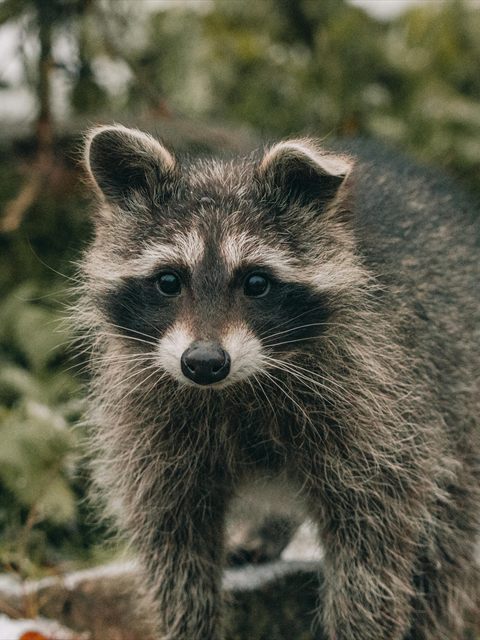
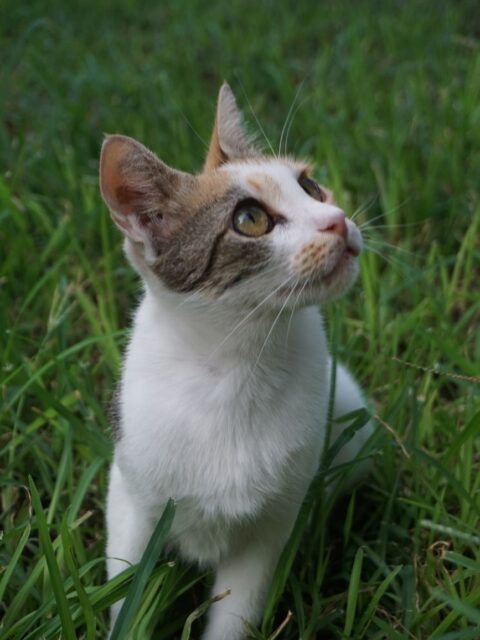
- foxes, raccoons, birds of prey, domestic cats
- Defense Mechanisms
- Eurasian Coots use aggressive displays and vocalizations to defend their territory and young.
- Compatible Animals
- ducks, geese, swans
- Found in Zoos
- Common