


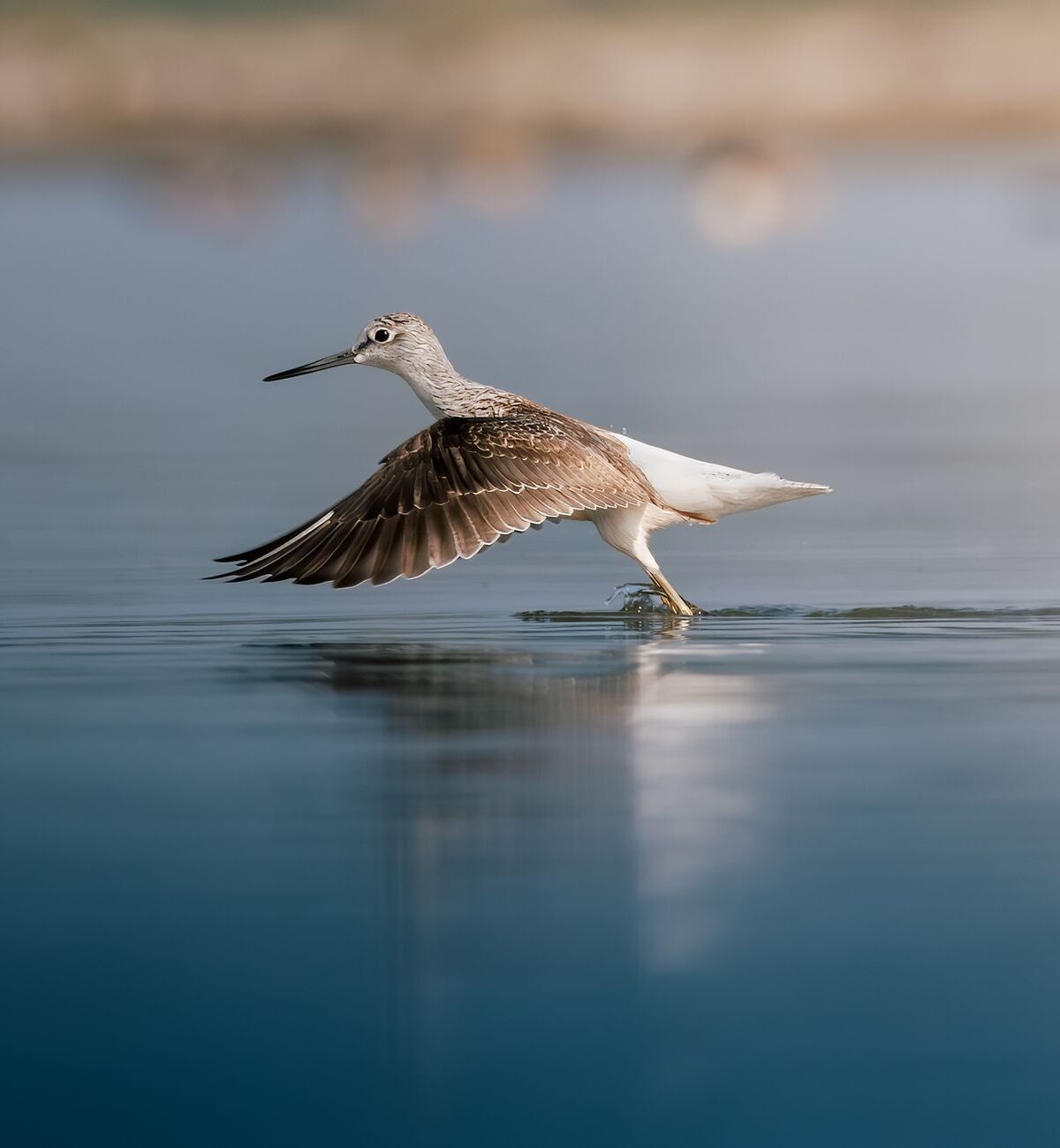
EURASIAN GREEN SANDPIPER
Tringa ochropus
DESCRIPTION
Eurasian Green Sandpiper (Tringa ochropus) is also known as the Green Sandpiper. This medium-sized wader is characterized by its dark greenish-brown upperparts, white underparts, and distinctive white wing bars. It is often found near freshwater habitats, where it forages for invertebrates and small fish, displaying a unique bobbing motion while walking.
FUN FACTS
- Eurasian Green Sandpipers are known for their distinctive call, which sounds like a series of sharp whistles
- They are also unique among sandpipers for their habit of bobbing their bodies while walking, which is thought to help them spot predators more easily.|During migration, these birds can travel thousands of kilometers, often flying at night to avoid predators and conserve energy
- Their ability to adapt to various wetland habitats makes them resilient, although they still face challenges from human activities
QUICK INFO
Lifespanup to 10 years in the wild
Average Weight100-150 g
Average Length23-26 cm
Diet TypeInsectivore
Social Structuresolitary or in pairs, occasionally in small groups during migration
Activity PatternDiurnal
Breeding SeasonSpring (April-June)
- Habitat
- This species prefers wetlands, including marshes, riverbanks, and lakeshores, where it can find ample food and nesting sites. It is often seen in areas with dense vegetation and shallow waters.
- Biomes
- Wetlands, Freshwater
- Native Range
- The Eurasian Green Sandpiper breeds across Europe and parts of Asia, migrating to sub-Saharan Africa for the winter.
- Continent
- Europe, Asia, Africa
- Countries
- United Kingdom, France, Germany, Russia, China
- Diet
- The Eurasian Green Sandpiper primarily feeds on invertebrates, such as insects and worms, as well as small fish. It uses its long bill to probe into mud and shallow water to find food.
- Diet Type
- Insectivore
- Favorite Food
- insects, worms, small fish
- Social Structure
- solitary or in pairs, occasionally in small groups during migration
- Activity Pattern
- Diurnal
- Group Size
- 1-5
- Territorial
- 0

 VU
VU
100-150 g
Weight
23-26 cm
Length
- Coloration
- dark greenish-brown upperparts with white underparts and wing bars
- Lifespan
- up to 10 years in the wild
- Offspring per Birth
- 3-4
- Sexual Maturity
- 1-2 years
- Breeding Season
- Spring (April-June)
LC
Least Concern
IUCN Red List Status
- Population Status
- The population of Eurasian Green Sandpipers is currently stable, though habitat loss poses a potential threat.
- Wild Population Estimate
- 100,000-200,000
- Population Trend
- Stable
- Endangered
- 0
- Threats
- Main threats include habitat destruction due to agricultural expansion and wetland drainage. Climate change also poses a risk by altering their migratory patterns and breeding habitats.
- Predators
- foxes, birds of prey, and larger wading birds
- Defense Mechanisms
- Eurasian Green Sandpipers rely on their camouflage to avoid predators and may also use erratic flight patterns to escape.
- Found in Zoos
- Rare