


EURASIAN RED SQUIRREL
Sciurus vulgaris
DESCRIPTION
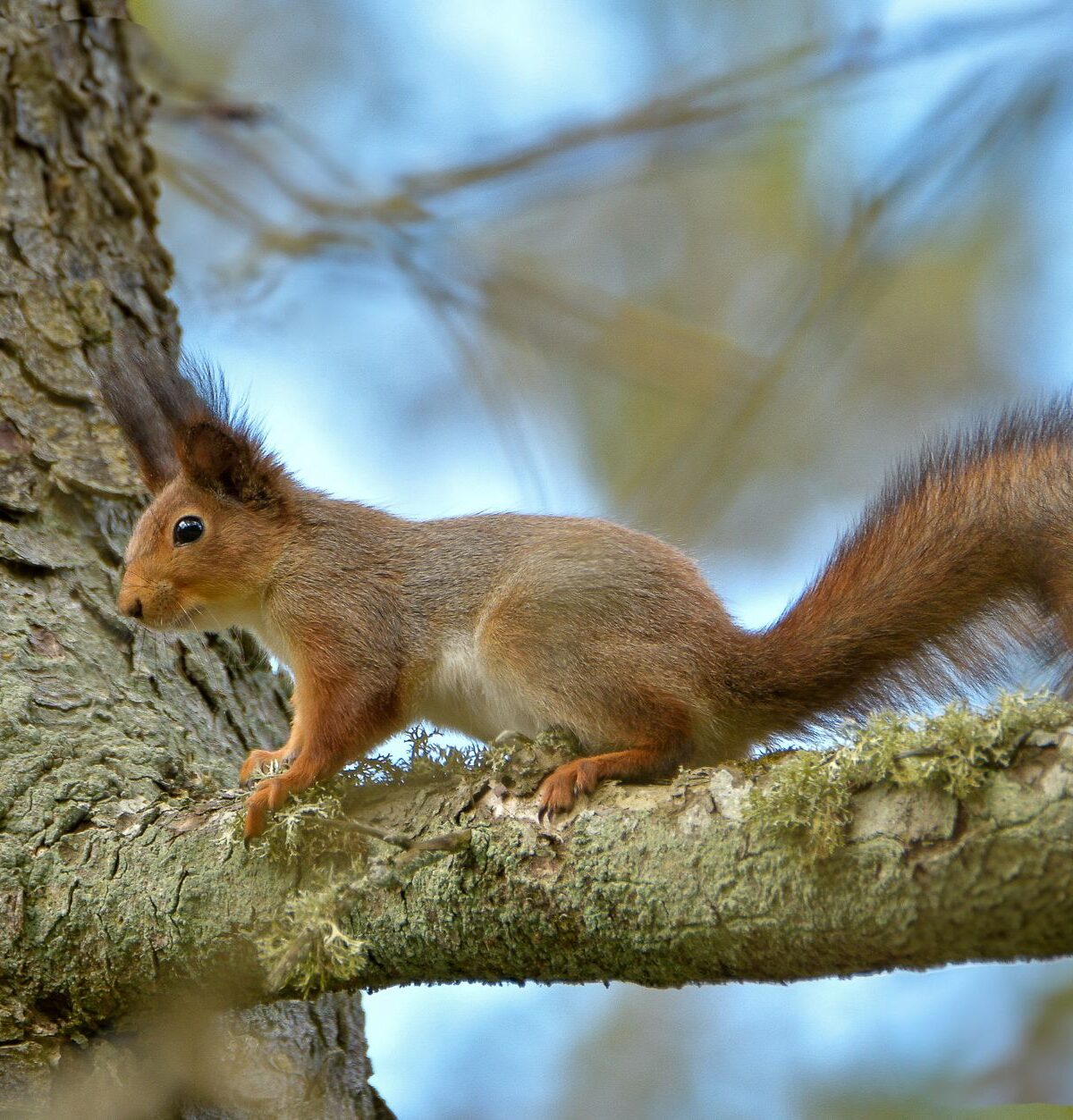
Eurasian Red Squirrel (Sciurus vulgaris) is commonly known as the European Red Squirrel and the Common Red Squirrel. This small rodent is characterized by its reddish-brown fur, tufted ears, and bushy tail, which aids in balance and communication. They are agile climbers, often seen leaping between branches, and are known for their playful behavior and vocalizations, which include chattering and barking.
FUN FACTS
- Eurasian Red Squirrels are known for their impressive memory, which helps them locate their hidden food caches even months later
- They can also rotate their hind feet, allowing them to descend trees headfirst, a unique adaptation among tree-dwelling mammals.| These squirrels play a crucial role in forest ecosystems by aiding in seed dispersal
- When they bury nuts and seeds, they often forget some of them, which can lead to new plant growth and forest regeneration
QUICK INFO
Lifespan5-10 years in the wild, up to 12 years in captivit
Average Weight200-300 g
Average Length18-25 cm
Diet TypeHerbivore
Social Structuresolitary, with occasional pair bonding during breeding
Activity PatternDiurnal
Breeding SeasonSpring (March-May) and late summer (July-August)
- Habitat
- Eurasian Red Squirrels inhabit a variety of forested areas, including coniferous, deciduous, and mixed forests. They prefer habitats with abundant tree cover and a rich supply of food sources.
- Biomes
- Temperate Forest, Boreal Forest
- Native Range
- The native range of the Eurasian Red Squirrel extends across Europe and parts of Asia, from the British Isles to the Russian Far East.
- Continent
- Europe, Asia
- Countries
- United Kingdom, France, Germany, Russia, Sweden, Finland
- Diet
- Eurasian Red Squirrels primarily feed on seeds, nuts, and fruits, but they also consume fungi and occasionally insects. They are known to cache food for later consumption, especially during the winter months.
- Diet Type
- Herbivore
- Favorite Food
- Nuts, seeds, fruits
- Social Structure
- solitary, with occasional pair bonding during breeding
- Activity Pattern
- Diurnal
- Group Size
- 1-2
- Territorial
- 1
 CR
CR
 LC
LC
 LC
LC
200-300 g
Weight
18-25 cm
Length
- Coloration
- Reddish-brown fur with a lighter underbelly
- Sexual Dimorphism
- Males are generally smaller than females.
- Lifespan
- 5-10 years in the wild, up to 12 years in captivit
- Gestation Period
- 38-39 days
- Offspring per Birth
- 2-5
- Sexual Maturity
- 1 year
- Breeding Season
- Spring (March-May) and late summer (July-August)
LC
Least Concern
IUCN Red List Status
- Population Status
- The population of Eurasian Red Squirrels is currently stable in many areas, although they face threats from habitat loss and competition with invasive species.
- Wild Population Estimate
- Unknown
- Population Trend
- Stable
- Endangered
- 0
- Threats
- Main threats include habitat destruction due to urbanization and forestry, as well as competition from the invasive Eastern Grey Squirrel. These factors have led to declines in some local populations.
- Predators
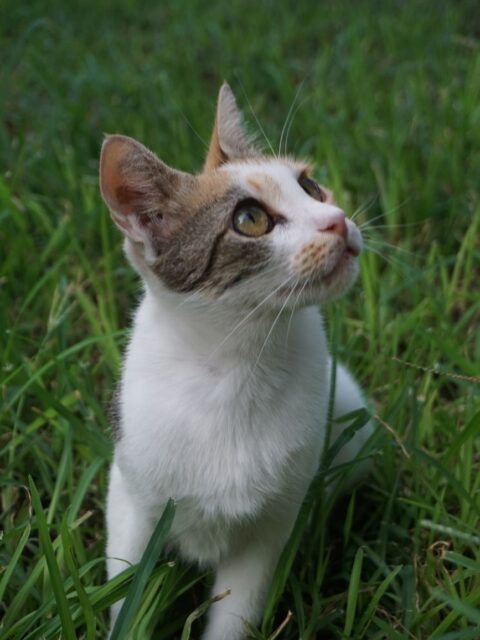
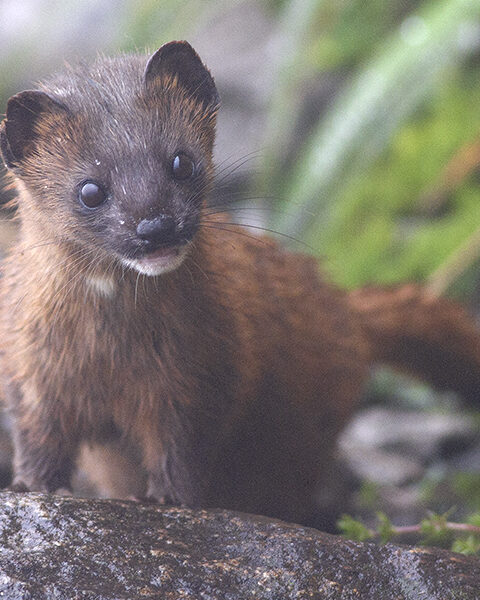
- Birds of prey (e.g., hawks, owls), foxes, domestic cats, and weasels.
- Defense Mechanisms
- Eurasian Red Squirrels use their agility to escape predators, often climbing high into trees. They also employ vocalizations to warn others of danger.
- Found in Zoos
- Common