



EUROPEAN COMMON GOLDENEYE
Bucephala clangula clangula
DESCRIPTION
European common goldeneye (Bucephala clangula clangula) is a medium-sized diving duck known for its striking appearance, featuring a distinctive green head and bright yellow eye. Males are particularly notable for their black and white plumage, while females are predominantly brown with a lighter face. This species is often found in freshwater lakes and rivers, where it dives to forage for food, showcasing its adept swimming and diving abilities.
FUN FACTS
- European common goldeneyes are known for their unique courtship displays, where males perform elaborate head-bobbing and whistling calls to attract females
- Additionally, they are excellent divers, capable of reaching depths of up to 5 meters while foraging for food in the water
- | The species is named for its striking golden eye, which is particularly prominent in males
- This eye color is a key feature that helps in identifying the species, especially during the breeding season when males are more vibrant
QUICK INFO
Lifespan10-15 years in the wild
Average Weight700-1,200 g
Average Length40-50 cm
Diet TypeOmnivore
Social StructureThey are typically found in pairs during the breeding season and may form small groups outside of this period.
Activity PatternDiurnal
Breeding SeasonSpring (April-June)
- Habitat
- This species inhabits freshwater lakes, rivers, and coastal areas during the breeding season. It prefers areas with abundant vegetation and open water for foraging.
- Biomes
- Freshwater, Coastal
- Native Range
- The European common goldeneye is found across Europe and parts of Asia, migrating to more temperate regions during winter.
- Continent
- Europe, Asia
- Countries
- Norway, Sweden, Finland, Russia, United Kingdom, Germany, Poland
- Diet
- The European common goldeneye primarily feeds on aquatic invertebrates, small fish, and plant material. It forages by diving underwater to catch its prey.
- Diet Type
- Omnivore
- Favorite Food
- aquatic invertebrates, small fish
- Social Structure
- They are typically found in pairs during the breeding season and may form small groups outside of this period.
- Activity Pattern
- Diurnal
- Group Size
- 2-10
- Territorial
- 1

 LC
LC
700-1,200 g
Weight
40-50 cm
Length
- Coloration
- Males have a black head with a green sheen, white body, and black back, while females are brown with a lighter face.
- Sexual Dimorphism
- Males and females have distinctly different plumage, with males being more colorful.
- Lifespan
- 10-15 years in the wild
- Offspring per Birth
- 6-10
- Sexual Maturity
- 1-2 years
- Breeding Season
- Spring (April-June)
LC
Least Concern
IUCN Red List Status
- Population Status
- The population of European common goldeneye is currently stable, with some local increases noted.
- Wild Population Estimate
- 200,000-300,000
- Population Trend
- Stable
- Endangered
- 0
- Threats
- Main threats include habitat loss due to wetland drainage and pollution. Additionally, hunting in some regions poses a risk to their populations.
- Predators
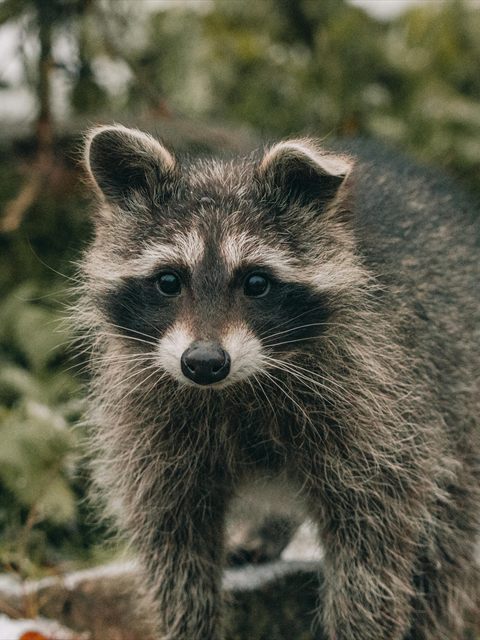
- Foxes, raccoons, and large birds of prey such as eagles and hawks are known to prey on goldeneye ducklings and adults.
- Defense Mechanisms
- They rely on their ability to dive quickly to escape predators.
- Compatible Animals
- Other waterfowl species, such as mallards and coots
- Found in Zoos
- Uncommon