


EUROPEAN LONG-NOSED VIPER
Vipera latastei
DESCRIPTION
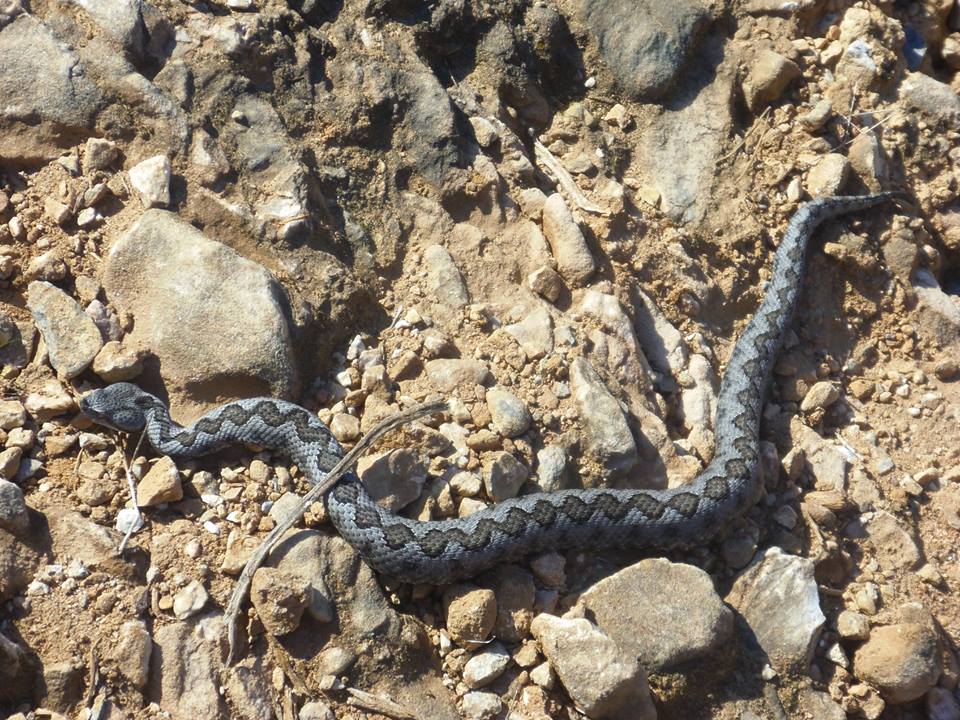
European Long-nosed Viper (Vipera latastei) is a small to medium-sized snake characterized by its distinctive long, pointed snout. It typically exhibits a range of colors from gray to brown, often with dark zigzag patterns along its back, which provide excellent camouflage in its natural habitat. This species is primarily found in rocky and bushy areas, where it is known to be an ambush predator, waiting for prey to come close before striking.
FUN FACTS
- The European Long-nosed Viper is known for its unique long snout, which helps it to burrow into the ground and hide from predators
- Additionally, this species has a fascinating reproductive strategy, as it gives birth to live young rather than laying eggs, which is relatively rare among snakes.| This viper is also a master of camouflage, often blending seamlessly into its rocky surroundings, making it difficult for both predators and prey to spot it
- Its striking patterns not only serve as a defense mechanism but also play a role in thermoregulation, helping it to maintain its body temperature
QUICK INFO
Lifespan10-15 years in the wild
Average Length60-80 cm
Diet TypeCarnivore
Social Structuresolitary, typically found alone except during mating season
Activity PatternCrepuscular
Breeding SeasonSpring (April-June)
- Habitat
- This viper prefers rocky, dry habitats with plenty of cover, such as shrubs and grass. It is often found in hilly or mountainous regions, where it can easily blend into its surroundings.
- Biomes
- Temperate Forest, Mediterranean
- Native Range
- The species is native to parts of southern Europe, particularly in the Iberian Peninsula and parts of Italy.
- Continent
- Europe
- Countries
- Spain, Portugal, Italy, France
- Diet
- The European Long-nosed Viper primarily feeds on small mammals, lizards, and occasionally birds. It uses its heat-sensing pits to detect warm-blooded prey.
- Diet Type
- Carnivore
- Favorite Food
- small mammals, lizards
- Social Structure
- solitary, typically found alone except during mating season
- Activity Pattern
- Crepuscular
- Group Size
- 1
- Territorial
- 0
 VU
VU
60-80 cm
Length
- Coloration
- gray to brown with dark zigzag patterns
- Sexual Dimorphism
- females are generally larger than males
- Lifespan
- 10-15 years in the wild
- Offspring per Birth
- 4-10
- Sexual Maturity
- 2-3 years
- Breeding Season
- Spring (April-June)
LC
Least Concern
IUCN Red List Status
- Population Status
- The population is currently stable, but local declines have been noted in some areas due to habitat loss.
- Wild Population Estimate
- unknown
- Population Trend
- Stable
- Endangered
- 0
- Threats
- Main threats include habitat destruction due to urbanization and agriculture, as well as persecution due to fear of snakes. Road mortality is also a significant risk for this species.
- Predators
- birds of prey, larger snakes, and mammals such as foxes
- Defense Mechanisms
- When threatened, the European Long-nosed Viper may hiss and display its fangs, or it may remain motionless to avoid detection.
- Found in Zoos
- Uncommon