


EUROPEAN OTTER
Lutra lutra
DESCRIPTION
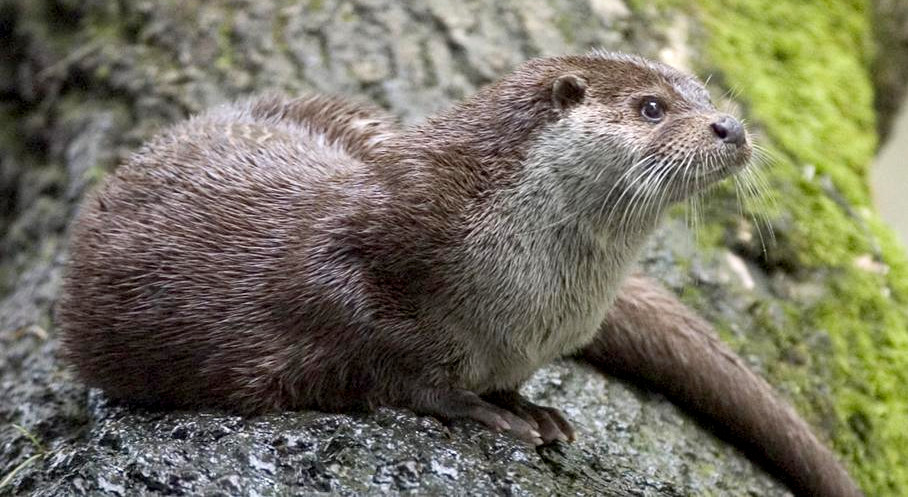
The European otter (Lutra lutra) is a semi-aquatic mammal known for its sleek, elongated body and webbed feet, which make it an adept swimmer. Its fur is dense and waterproof, typically appearing dark brown with a lighter underbelly. European otters are playful and social animals, often seen sliding down mud or snowbanks into the water, and they are known for their intelligence and problem-solving abilities.
FUN FACTS
- European otters have a unique way of communicating with each other, using a variety of vocalizations, including whistles and growls, to convey different messages
- They are also known for their remarkable swimming abilities, capable of holding their breath underwater for up to 8 minutes while hunting for food.|The European otter is an important indicator species for freshwater ecosystems, as their presence signifies a healthy environment
- They play a crucial role in controlling fish populations and maintaining the balance of aquatic habitats
QUICK INFO
Lifespan8-12 years in the wild, up to 20 years in captivit
Average Weight5-12 kg
Average Length0.8-1.2 m
Diet TypeCarnivore
Social Structuresolitary, occasionally forming small family groups
Activity PatternNocturnal
Breeding SeasonWinter (December-February)
- Habitat
- European otters inhabit a variety of freshwater environments, including rivers, lakes, and wetlands. They require clean water and abundant food sources, often favoring areas with dense vegetation for cover.
- Biomes
- Freshwater, Wetlands
- Native Range
- The European otter is found across Europe, from the British Isles to Scandinavia and down to the Mediterranean region.
- Continent
- Europe
- Countries
- United Kingdom, Germany, France, Spain, Italy, Norway, Sweden, Finland
- Diet
- European otters primarily feed on fish, but they also consume crustaceans, amphibians, and small mammals. Their diet can vary based on the availability of food sources in their habitat.
- Diet Type
- Carnivore
- Favorite Food
- fish
- Social Structure
- solitary, occasionally forming small family groups
- Activity Pattern
- Nocturnal
- Group Size
- 1-4
- Territorial
- 1
 LC
LC

5-12 kg
Weight
0.8-1.2 m
Length
- Coloration
- dark brown fur with a lighter underbelly
- Sexual Dimorphism
- males are generally larger than females
- Lifespan
- 8-12 years in the wild, up to 20 years in captivit
- Gestation Period
- 60-63 days
- Offspring per Birth
- 1-6
- Sexual Maturity
- 2-3 years
- Breeding Season
- Winter (December-February)
LC
Least Concern
IUCN Red List Status
- Population Status
- The population of European otters has been recovering in many areas due to conservation efforts, but they still face threats in some regions.
- Wild Population Estimate
- 100,000+
- Population Trend
- Stable
- Endangered
- 0
- Threats
- Main threats include habitat loss, pollution, and road traffic. Additionally, they can be affected by hunting and trapping in some areas.
- Predators
- eagles, large carnivores such as wolves and lynxes, and humans
- Defense Mechanisms
- European otters use their agility in water to evade predators and can also dive to escape threats.
- Found in Zoos
- Common