



EUROPEAN POND TURTLE
Emys orbicularis
DESCRIPTION
The European Pond Turtle (Emys orbicularis) is a freshwater turtle native to Europe and parts of Asia. It is characterized by its dark, smooth shell and a distinctive pattern of yellow or orange spots on its head and limbs.
FUN FACTS
- The European Pond Turtle is one of the few turtle species that can be found in both freshwater and brackish environments | They are known to bask in the sun for hours to regulate their body temperature | This species can live for several decades, making it a long-lived reptile
QUICK INFO
Lifespan30-50 years in the wild
Average Weight1-2 kg
Average Length15-25 cm
Diet TypeOmnivore
Social Structuresolitary, occasionally seen in small groups during basking
Activity PatternDiurnal
Breeding SeasonSpring (April-June)
- Habitat
- European Pond Turtles inhabit freshwater bodies such as ponds, lakes, and slow-moving rivers. They prefer areas with abundant vegetation and basking sites.
- Biomes
- Freshwater, Temperate Forest
- Native Range
- The species is found across Europe, from Spain to the Balkans, and extends into parts of Asia.
- Continent
- Europe, Asia
- Countries
- Spain, France, Germany, Italy, Greece, Hungary, Poland, Romania
- Diet
- This species primarily feeds on aquatic invertebrates, small fish, and plant matter. It is known to forage both in water and on land.
- Diet Type
- Omnivore
- Favorite Food
- aquatic invertebrates, small fish, plant matter
- Social Structure
- solitary, occasionally seen in small groups during basking
- Activity Pattern
- Diurnal
- Group Size
- 1-5
- Territorial
- 0
 VU
VU
 LC
LC
1-2 kg
Weight
15-25 cm
Length
- Coloration
- dark brown to black shell with yellow or orange spots
- Sexual Dimorphism
- males are generally smaller with a concave plastron, females are larger with a flat plastron
- Lifespan
- 30-50 years in the wild
- Offspring per Birth
- 3-12
- Sexual Maturity
- 5-10 years
- Breeding Season
- Spring (April-June)
VU
Vulnerable
IUCN Red List Status
- Population Status
- The population is currently declining in many areas due to habitat loss and pollution.
- Wild Population Estimate
- unknown
- Population Trend
- Decreasing
- Endangered
- 1
- Threats
- Main threats include habitat destruction, pollution, and road mortality. Invasive species also pose a risk to their survival.
- Conservation Program
- Various local conservation efforts are in place, including habitat restoration and protection.
- Predators
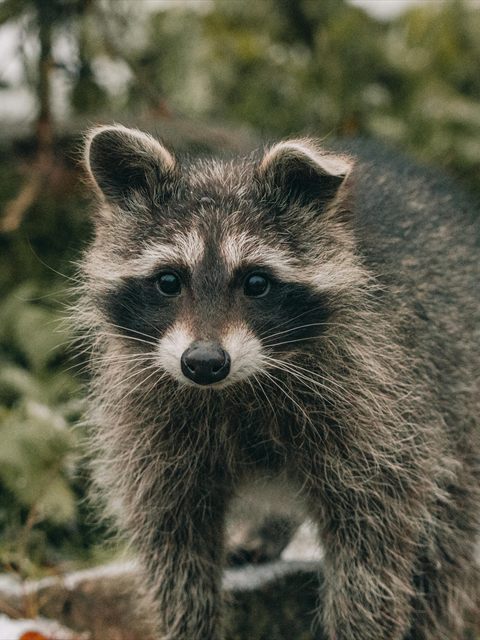
- birds of prey, raccoons, and larger fish
- Defense Mechanisms
- They can retract into their shells for protection.
- Found in Zoos
- Uncommon