


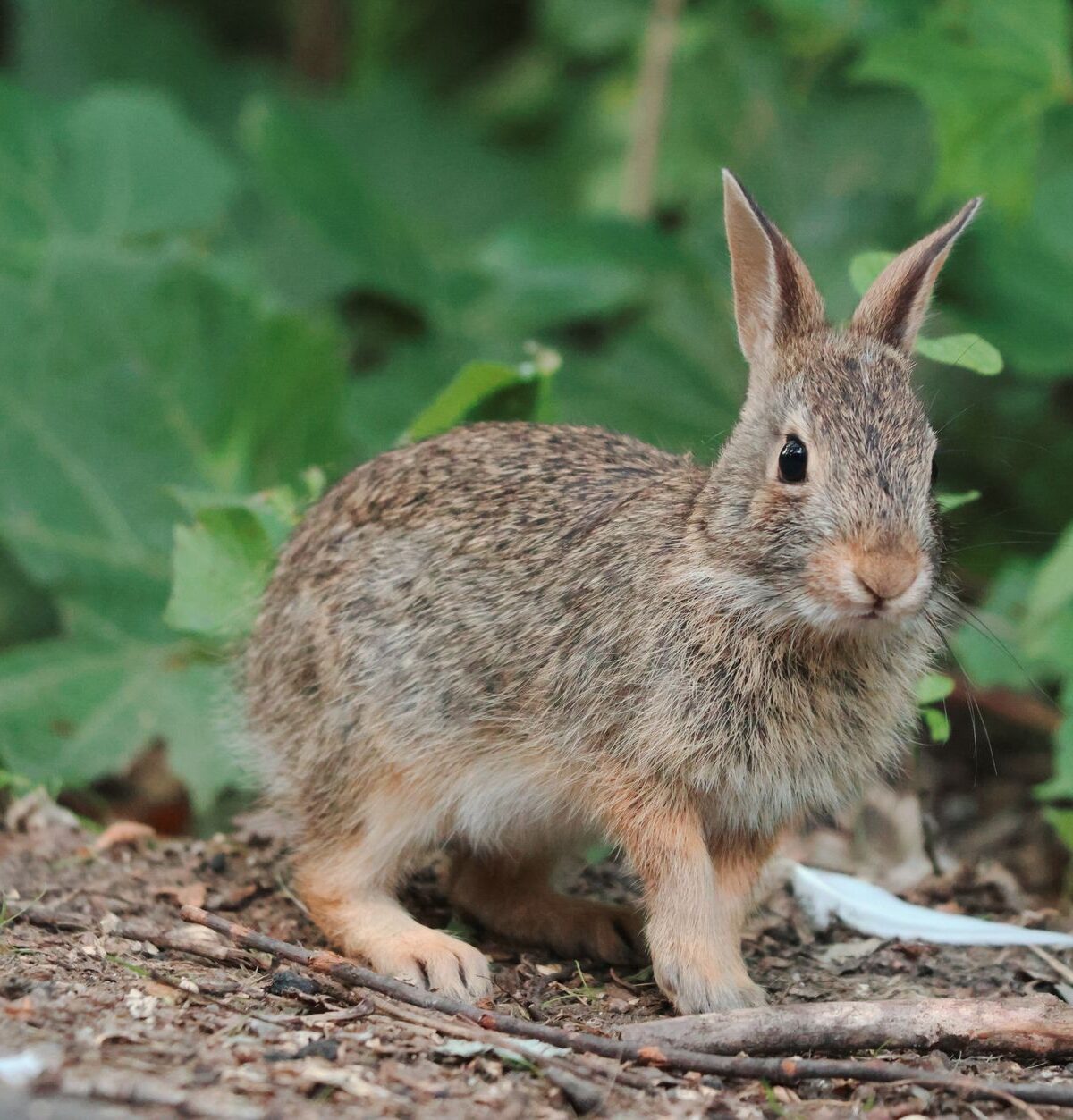
EUROPEAN RABBIT
Oryctolagus cuniculus
DESCRIPTION
European Rabbit is commonly known as the Bunny and Cottontail. This small mammal has a compact body, long ears, and a short fluffy tail, typically exhibiting a grayish-brown coloration with a white underbelly. They are social animals that live in groups and are known for their burrowing behavior, creating extensive tunnel systems called warrens.
FUN FACTS
- European Rabbits can produce several litters each year, with a single female capable of giving birth to up to 50 offspring annually
- They are also known for their unique social behaviors, including grooming each other and communicating through a variety of vocalizations and body language
QUICK INFO
Lifespan1-9 years in the wild, up to 12 years in captivity
Average Weight1.2-2.0 kg
Average Length40-50 cm
Diet TypeHerbivore
Social Structuregroup — they live in colonies that can consist of dozens of individuals.
Activity PatternCrepuscular
Breeding SeasonSpring to early summer (March-August)
- Habitat
- They inhabit a variety of environments, including meadows, grasslands, and forests, often near agricultural areas. Their burrows provide shelter and protection from predators.
- Biomes
- Temperate Forest, Grassland, Agricultural Land
- Native Range
- Originally native to southwestern Europe and parts of North Africa, European Rabbits have been introduced to many other regions worldwide.
- Continent
- Europe, Africa
- Countries
- United Kingdom, France, Spain, Italy, Germany
- Diet
- European Rabbits primarily feed on grasses, herbs, and leafy weeds, making them herbivorous grazers. They have a unique digestive system that allows them to extract maximum nutrients from their fibrous diet.
- Diet Type
- Herbivore
- Favorite Food
- grasses, herbs, leafy greens
- Social Structure
- group — they live in colonies that can consist of dozens of individuals.
- Activity Pattern
- Crepuscular
- Group Size
- 5-30
- Territorial
- 0

 VU
VU
 LC
LC
 LC
LC
1.2-2.0 kg
Weight
40-50 cm
Length
- Coloration
- grayish-brown with a white underbelly
- Sexual Dimorphism
- males are generally larger than females
- Lifespan
- 1-9 years in the wild, up to 12 years in captivity
- Gestation Period
- 30-32 days
- Offspring per Birth
- 3-12
- Sexual Maturity
- 3-6 months
- Breeding Season
- Spring to early summer (March-August)
LC
Least Concern
IUCN Red List Status
- Population Status
- The population of European Rabbits is generally stable, although local declines can occur due to habitat loss and disease.
- Wild Population Estimate
- approximately 200 million
- Population Trend
- Stable
- Endangered
- 0
- Threats
- Main threats include habitat destruction, predation by domestic animals, and diseases such as myxomatosis and rabbit hemorrhagic disease. These factors can significantly impact local populations.
- Predators
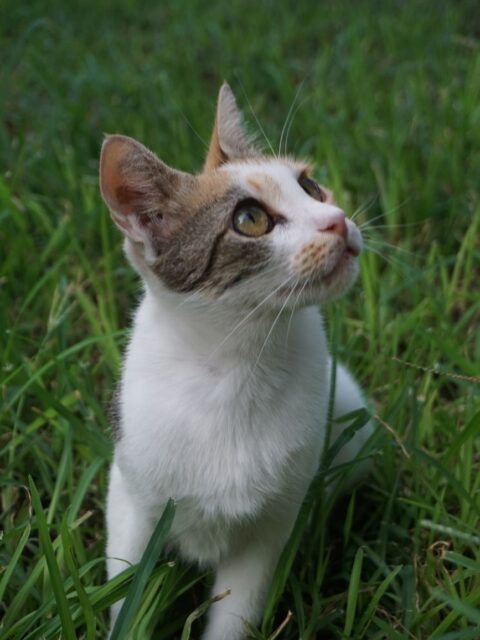
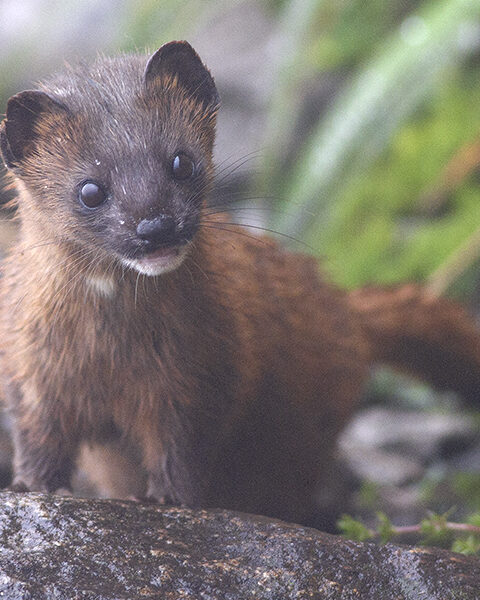
- foxes, birds of prey, domestic cats, dogs, and weasels
- Defense Mechanisms
- They rely on their speed and agility to escape predators, often using their burrows for quick refuge.
- Compatible Animals
- Guinea pigs, other rabbits, certain rodents
- Found in Zoos
- Common