


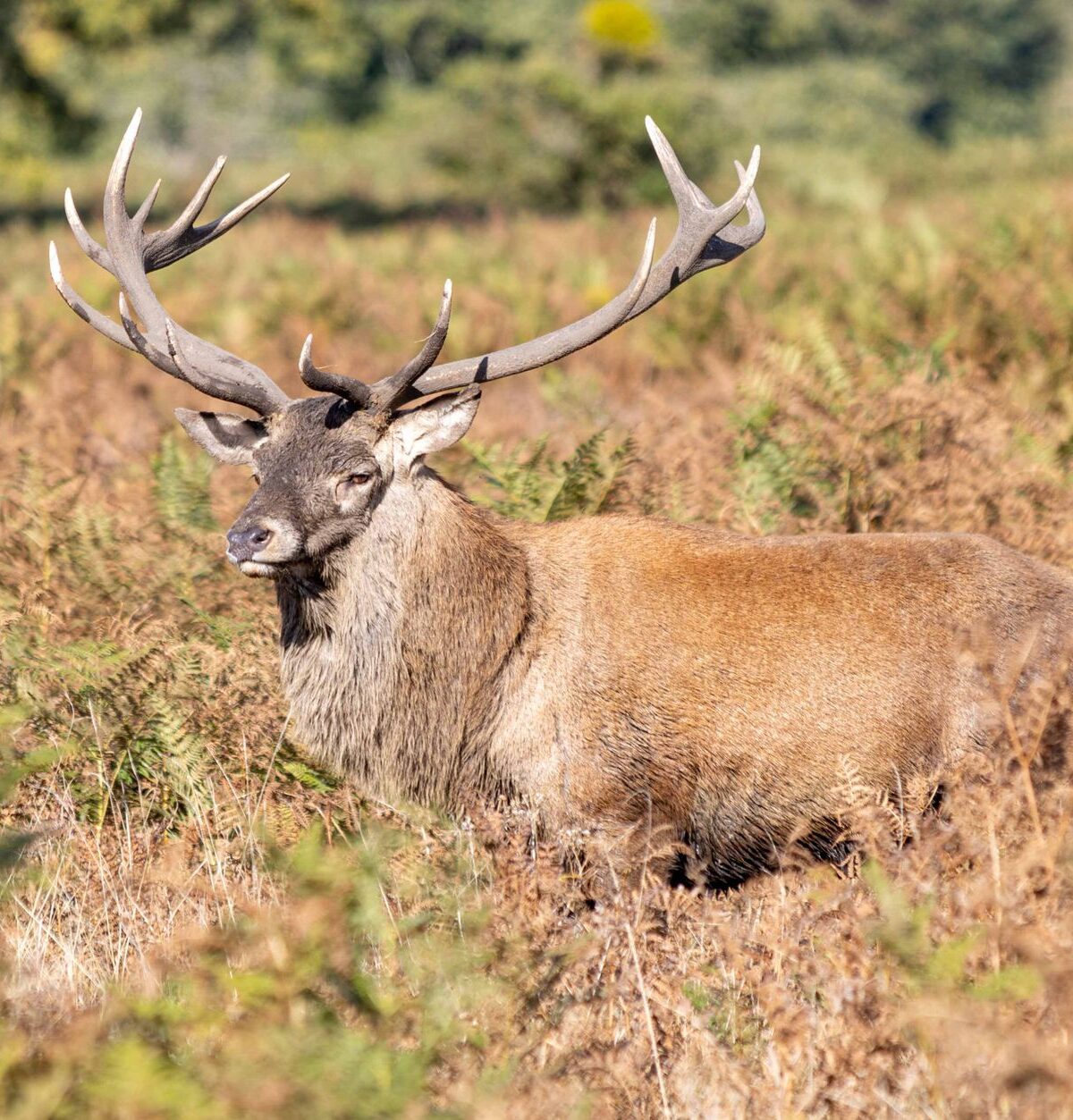
EUROPEAN RED DEER
Cervus elaphus
DESCRIPTION
European Red Deer (Cervus elaphus) is commonly known as Red Deer. This majestic species is characterized by its large size, with males typically sporting impressive antlers that can grow up to a meter in length. They exhibit a reddish-brown coat in summer, which becomes a more muted gray-brown in winter, and are known for their vocalizations, particularly the distinctive roaring of males during the rutting season.
FUN FACTS
- European Red Deer are known for their impressive antlers, which are shed and regrown annually
- The antler growth is influenced by the animal's age, health, and nutrition, making them a fascinating subject for wildlife studies
- | During the rutting season, male Red Deer engage in vocal displays and physical confrontations to establish dominance and attract females
- These displays can be quite dramatic, with males roaring and clashing antlers, showcasing their strength and vitality
QUICK INFO
Lifespan10-15 years in the wild, up to 25 in captivity
Average Weight100-250 kg
Average Length1.6-2.5 m
Diet TypeHerbivore
Social Structuregroup — females and young typically form herds, while males are more solitary except during the breeding season.
Activity PatternCrepuscular
Breeding SeasonAutumn (September-November)
- Habitat
- European Red Deer inhabit a variety of environments, including temperate forests, grasslands, and mountainous regions. They prefer areas with ample cover for shelter and access to open grazing grounds.
- Biomes
- Temperate Forest, Grassland, Montane
- Native Range
- The native range of European Red Deer extends across Europe, from the British Isles to the Iberian Peninsula and into parts of Asia.
- Continent
- Europe, Asia
- Countries
- United Kingdom, Spain, France, Germany, Poland, Romania
- Diet
- European Red Deer primarily feeds on grasses, leaves, and shrubs, favoring tender shoots and foliage. They are known to graze in open areas and browse in woodlands.
- Diet Type
- Herbivore
- Favorite Food
- grasses, leaves, shrubs
- Social Structure
- group — females and young typically form herds, while males are more solitary except during the breeding season.
- Activity Pattern
- Crepuscular
- Group Size
- 5-30
- Territorial
- 1
 LC
LC
 LC
LC
100-250 kg
Weight
1.6-2.5 m
Length
1.2 m at shoulder
Height (Shoulder)
- Coloration
- reddish-brown in summer, gray-brown in winter
- Sexual Dimorphism
- males are larger and have antlers, while females are smaller and antlerless
- Lifespan
- 10-15 years in the wild, up to 25 in captivity
- Gestation Period
- 230 days
- Offspring per Birth
- 1
- Sexual Maturity
- 1.5-2 years
- Breeding Season
- Autumn (September-November)
LC
Least Concern
IUCN Red List Status
- Population Status
- The population of European Red Deer is generally stable, with some regions experiencing increases due to conservation efforts.
- Wild Population Estimate
- 1,000,000+
- Population Trend
- Stable
- Endangered
- 0
- Threats
- Main threats include habitat loss due to agriculture and urbanization, as well as hunting pressures. In some areas, they also face competition with livestock for food resources.
- Conservation Program
- Various conservation programs exist across Europe to manage populations and habitats, including protected areas and regulated hunting.
- Predators
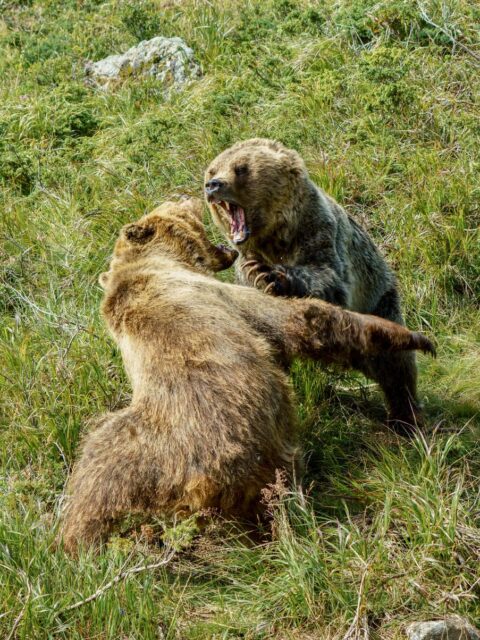
- Wolves, bears, and humans are the primary predators of European Red Deer. Young fawns are particularly vulnerable to predation.
- Defense Mechanisms
- European Red Deer rely on their speed and agility to escape predators, and they often use dense vegetation for cover.
- Compatible Animals
- none
- Found in Zoos
- Common