


EUROPEAN TEAL
Anas crecca
DESCRIPTION
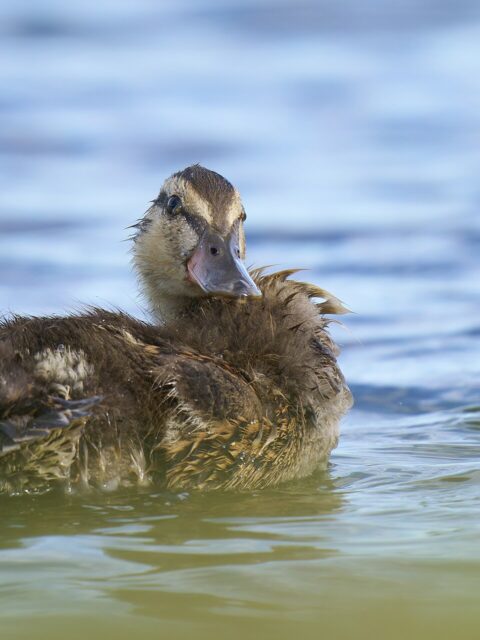
The European Teal (Anas crecca) is a small dabbling duck known for its striking coloration and distinctive markings. Males have a green head and a chestnut-brown breast, while females are mottled brown for camouflage.
FUN FACTS
- European Teals are one of the smallest dabbling ducks | They can fly at speeds of up to 60 km/h | Males perform elaborate courtship displays during the breeding season
QUICK INFO
Lifespan5-10 years in the wild, up to 15 in captivity
Average Weight300-500 g
Average Length34-38 cm
Diet TypeOmnivore
Social StructureThey are often found in pairs or small groups, especially during the breeding season.
Activity PatternDiurnal
Breeding SeasonSpring (March-May)
- Habitat
- They inhabit wetlands, marshes, and shallow lakes, often found in areas with abundant vegetation. They prefer habitats that provide cover and food sources.
- Biomes
- Wetlands, Temperate Forests
- Native Range
- The European Teal is found across Europe and parts of Asia, migrating to southern regions during winter.
- Continent
- Europe, Asia
- Countries
- United Kingdom, France, Germany, Russia, Scandinavia
- Diet
- European Teals primarily feed on seeds, aquatic plants, and small invertebrates. They forage in shallow waters and on mudflats.
- Diet Type
- Omnivore
- Favorite Food
- seeds, aquatic plants
- Social Structure
- They are often found in pairs or small groups, especially during the breeding season.
- Activity Pattern
- Diurnal
- Group Size
- 5-30
- Territorial
- 0

 VU
VU
 LC
LC
300-500 g
Weight
34-38 cm
Length
- Coloration
- Males have a green head, chestnut breast, and gray body; females are mottled brown.
- Sexual Dimorphism
- Males are more colorful than females.
- Lifespan
- 5-10 years in the wild, up to 15 in captivity
- Offspring per Birth
- 6-12
- Sexual Maturity
- 1 year
- Breeding Season
- Spring (March-May)
LC
Least Concern
IUCN Red List Status
- Population Status
- The population is generally stable, but local declines may occur due to habitat loss.
- Wild Population Estimate
- 1,000,000-2,000,000
- Population Trend
- Stable
- Endangered
- 0
- Threats
- Main threats include habitat destruction, pollution, and hunting. Wetland drainage and agricultural expansion pose significant risks.
- Predators
- Foxes, birds of prey, and larger mammals may prey on eggs and ducklings.
- Defense Mechanisms
- They rely on camouflage and quick flight to evade predators.
- Compatible Animals
- Other dabbling ducks, geese, swans
- Found in Zoos
- Uncommon