


FANNIN SHEEP
Ovis dalli fannini
DESCRIPTION
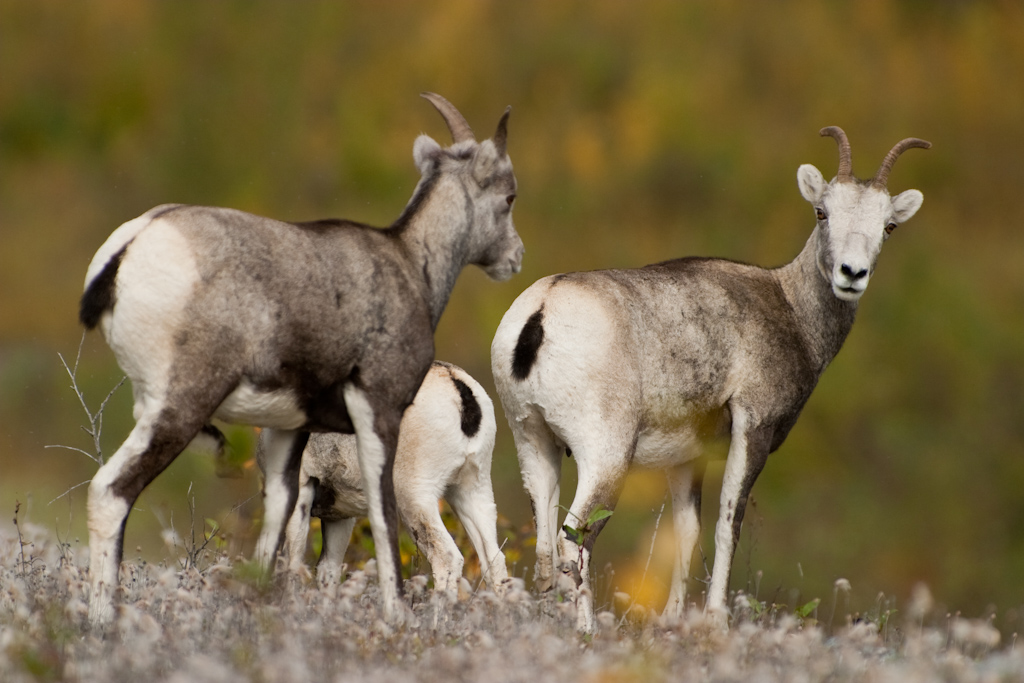
Fannin Sheep (Ovis dalli fannini) is a subspecies of Dall's sheep, characterized by its impressive curved horns and thick, white woolly coat. These sheep are well-adapted to their mountainous habitats, displaying agility and strength that allow them to navigate steep terrains. They are social animals, often found in groups, and exhibit behaviors such as grazing and climbing in search of food and safety.
FUN FACTS
- Fannin Sheep are remarkable climbers, capable of ascending steep cliffs that would be challenging for many other animals
- This ability not only helps them find food but also provides a safe refuge from predators
- | The horns of male Fannin Sheep can grow to impressive lengths, sometimes reaching over 90 cm, and are used in displays of dominance during mating season
- These horns can also be a status symbol among males, influencing their social hierarchy
QUICK INFO
Lifespan10-15 years in the wild, up to 20 years in captivi
Average Weight45-90 kg
Average Length1.2-1.5 m
Diet TypeHerbivore
Social Structuregroup — they typically live in small herds, which provide safety in numbers.
Activity PatternDiurnal
Breeding SeasonFall (October-November)
- Habitat
- Fannin Sheep inhabit rugged mountainous regions, often in alpine and subalpine environments. They prefer areas with steep slopes and rocky outcrops that provide both food and shelter.
- Biomes
- Alpine, Mountain
- Native Range
- Fannin Sheep are native to the mountainous regions of North America, particularly in parts of Canada and Alaska.
- Continent
- North America
- Countries
- Canada, United States
- Diet
- Fannin Sheep primarily graze on grasses, shrubs, and other vegetation found in their alpine habitats. They are known to forage on a variety of plant species depending on the season.
- Diet Type
- Herbivore
- Favorite Food
- grasses, shrubs
- Social Structure
- group — they typically live in small herds, which provide safety in numbers.
- Activity Pattern
- Diurnal
- Group Size
- 5-30
- Territorial
- 0
 LC
LC
LC
LC
 LC
LC
45-90 kg
Weight
1.2-1.5 m
Length
0.9-1.1 m at shoulder
Height (Shoulder)
- Coloration
- white to cream-colored wool with some individuals displaying light brown patches.
- Sexual Dimorphism
- Males are larger and have more prominent horns than females.
- Lifespan
- 10-15 years in the wild, up to 20 years in captivi
- Gestation Period
- 150 days
- Offspring per Birth
- 1
- Sexual Maturity
- 2-3 years
- Breeding Season
- Fall (October-November)
LC
Least Concern
IUCN Red List Status
- Population Status
- The population of Fannin Sheep is currently stable, but they face threats from habitat loss and hunting.
- Wild Population Estimate
- 10,000-15,000
- Population Trend
- Stable
- Endangered
- 0
- Threats
- Main threats include habitat loss due to human encroachment and hunting. Climate change also poses a risk by altering their alpine habitats.
- Conservation Program
- Various wildlife management programs are in place to monitor and protect their populations.
- Predators
- Mountain lions, wolves, bears, and eagles are known predators of Fannin Sheep.
- Defense Mechanisms
- They rely on their agility and ability to navigate steep terrain to escape predators, often fleeing to high cliffs.
- Found in Zoos
- Uncommon