


FAT SAND RAT
Psammomys obesus
DESCRIPTION
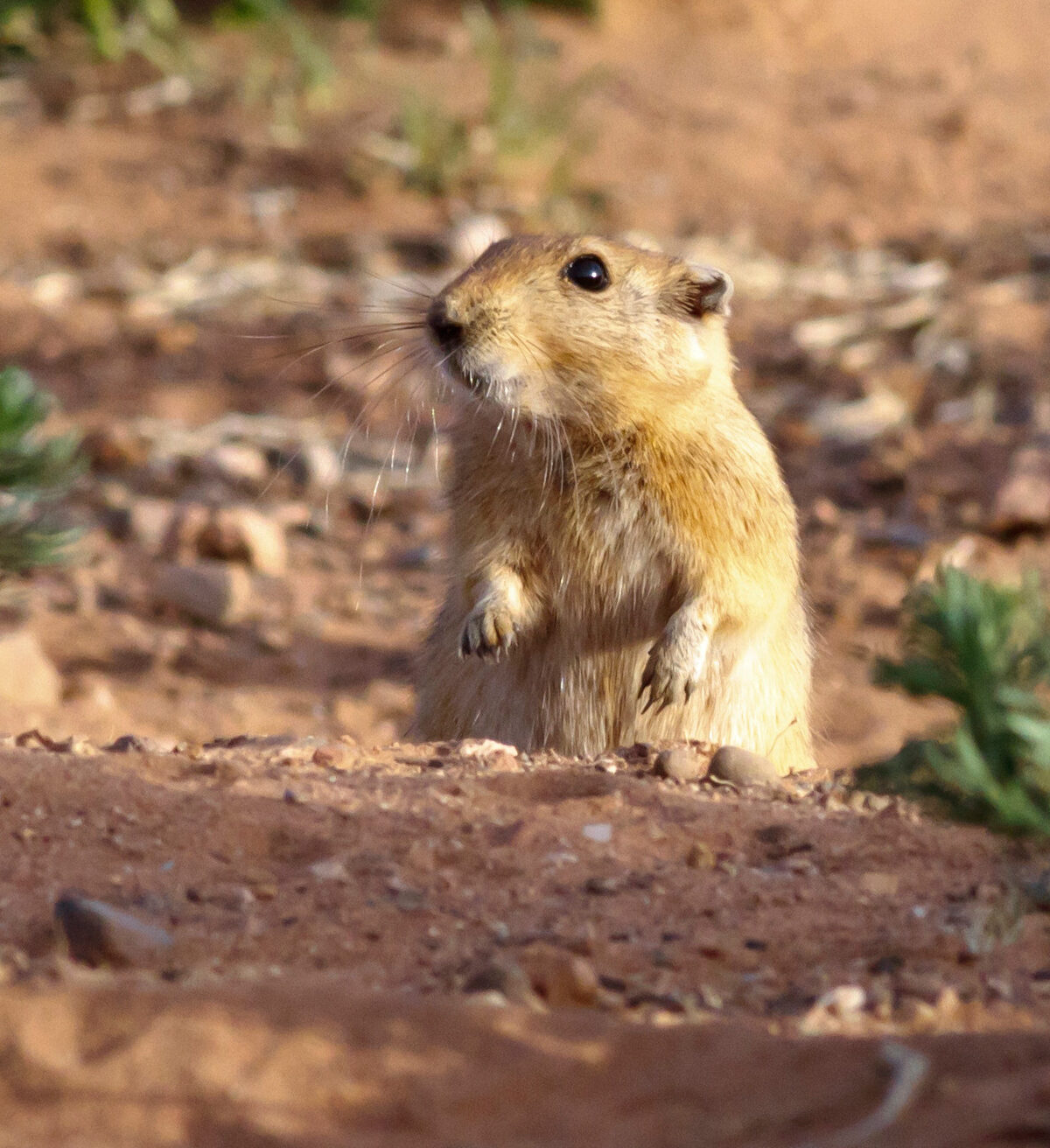
Fat Sand Rat (Psammomys obesus) is a small rodent characterized by its stout body and large, rounded ears. It has a thick fur coat that is typically sandy or light brown, providing excellent camouflage in its desert habitat. This species is primarily nocturnal, foraging for food during the cooler night hours and exhibiting burrowing behavior to escape the heat of the day.
FUN FACTS
- Fat Sand Rats have a unique ability to survive in extremely arid conditions, obtaining most of their water from the food they consume
- They are also known for their impressive burrowing skills, which can create extensive tunnel systems that help them evade predators and regulate their body temperature.| These rodents have a fascinating reproductive strategy, where females can breed shortly after giving birth, allowing for rapid population growth in favorable conditions
- Their adaptability to harsh environments makes them a remarkable example of survival in the animal kingdom
QUICK INFO
Lifespan2-4 years in the wild
Average Weight100-150 g
Average Length20-25 cm
Diet TypeHerbivore
Social Structuresolitary, occasionally seen in pairs during breeding
Activity PatternNocturnal
Breeding SeasonSpring to early summer
- Habitat
- Fat Sand Rats inhabit sandy deserts and arid regions, where they create burrows to escape extreme temperatures. These burrows provide shelter and a place to store food.
- Biomes
- Desert
- Native Range
- The native range of the Fat Sand Rat includes parts of North Africa and the Arabian Peninsula.
- Continent
- Africa, Asia
- Countries
- Algeria, Tunisia, Libya, Egypt, Saudi Arabia
- Diet
- Fat Sand Rats primarily feed on plant material, including seeds, roots, and leaves. They have adapted to survive in arid environments by obtaining moisture from their food.
- Diet Type
- Herbivore
- Favorite Food
- seeds, roots, leaves
- Social Structure
- solitary, occasionally seen in pairs during breeding
- Activity Pattern
- Nocturnal
- Group Size
- 1-2
- Territorial
- 0
 LC
LC
 VU
VU

100-150 g
Weight
20-25 cm
Length
- Coloration
- sandy or light brown fur with a lighter underbelly
- Lifespan
- 2-4 years in the wild
- Gestation Period
- 25-30 days
- Offspring per Birth
- 2-6
- Sexual Maturity
- 2-3 months
- Breeding Season
- Spring to early summer
LC
Least Concern
IUCN Red List Status
- Population Status
- The population status of Fat Sand Rats is currently stable, but habitat loss poses a potential threat.
- Wild Population Estimate
- unknown
- Population Trend
- Stable
- Endangered
- 0
- Threats
- Main threats include habitat destruction due to urbanization and agriculture. Additionally, competition with domestic animals can impact their populations.
- Predators
- snakes, birds of prey, foxes
- Defense Mechanisms
- Fat Sand Rats rely on their burrowing abilities to escape predators and avoid extreme temperatures.
- Found in Zoos
- Uncommon