


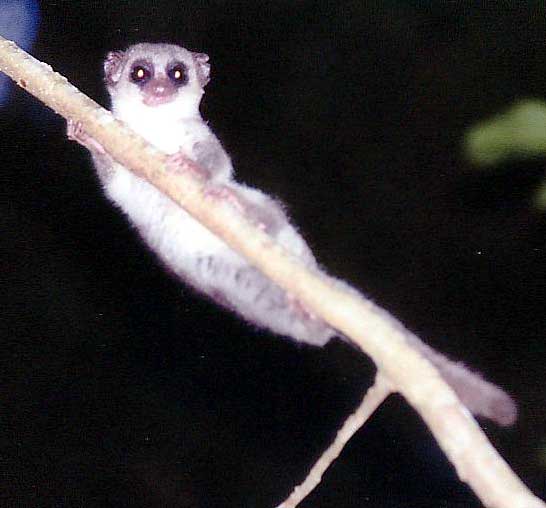
FAT-TAILED DWARF LEMUR
Cheirogaleus medius
DESCRIPTION
Fat-Tailed Dwarf Lemur (Cheirogaleus medius) is a small primate native to Madagascar, characterized by its distinctive fat-storing tail which it uses to survive during periods of food scarcity. This species has a soft, dense fur that is typically grayish-brown with lighter underparts, and its large eyes are adapted for nocturnal activity. Fat-Tailed Dwarf Lemurs are known for their unique hibernation behavior, entering a state of torpor during the dry season to conserve energy when food is less available.
FUN FACTS
- Fat-Tailed Dwarf Lemurs are unique among primates for their ability to enter a state of torpor, allowing them to survive long periods without food
- This adaptation is crucial for their survival in Madagascar's seasonal climate, where food availability fluctuates significantly
- | These lemurs have a remarkable fat-storing tail that can account for a significant portion of their body weight, which they utilize as an energy reserve during lean times
- This adaptation not only helps them survive but also plays a vital role in their reproductive success, as it allows them to care for their young during periods of food scarcity
QUICK INFO
Lifespanup to 15 years in the wild, longer in captivity
Average Weight0.5-1 kg
Average Length25-30 cm
Diet TypeOmnivore
Social Structuresolitary or small groups, often seen alone or in pairs
Activity PatternNocturnal
Breeding SeasonLate spring to early summer (October to December)
- Habitat
- Fat-Tailed Dwarf Lemurs inhabit tropical and subtropical forests, often residing in the canopy where they can find food and shelter. They prefer areas with abundant vegetation that provides both food sources and nesting sites.
- Biomes
- Tropical Rainforest
- Native Range
- Endemic to Madagascar, found in various forested regions across the island.
- Continent
- Africa
- Countries
- Madagascar
- Diet
- They primarily consume fruits, leaves, and flowers, supplemented by insects when available.
- Diet Type
- Omnivore
- Favorite Food
- fruits, leaves, flowers
- Social Structure
- solitary or small groups, often seen alone or in pairs
- Activity Pattern
- Nocturnal
- Group Size
- 1-3
- Territorial
- 1
 VU
VU
 LC
LC
0.5-1 kg
Weight
25-30 cm
Length
- Coloration
- grayish-brown fur with lighter underparts
- Sexual Dimorphism
- males are slightly larger than females
- Lifespan
- up to 15 years in the wild, longer in captivity
- Gestation Period
- 60-70 days
- Offspring per Birth
- 1-2
- Sexual Maturity
- 2-3 years
- Breeding Season
- Late spring to early summer (October to December)
LC
Least Concern
IUCN Red List Status
- Population Status
- The population is currently stable but faces threats from habitat loss.
- Wild Population Estimate
- unknown
- Population Trend
- Stable
- Endangered
- 0
- Threats
- Main threats include habitat destruction due to deforestation and agricultural expansion. Additionally, hunting and the pet trade pose risks to their populations.
- Predators
- Birds of prey, snakes, and larger mammals may prey on Fat-Tailed Dwarf Lemurs.
- Defense Mechanisms
- They rely on their agility and ability to hide in trees to evade predators.
- Found in Zoos
- Uncommon