


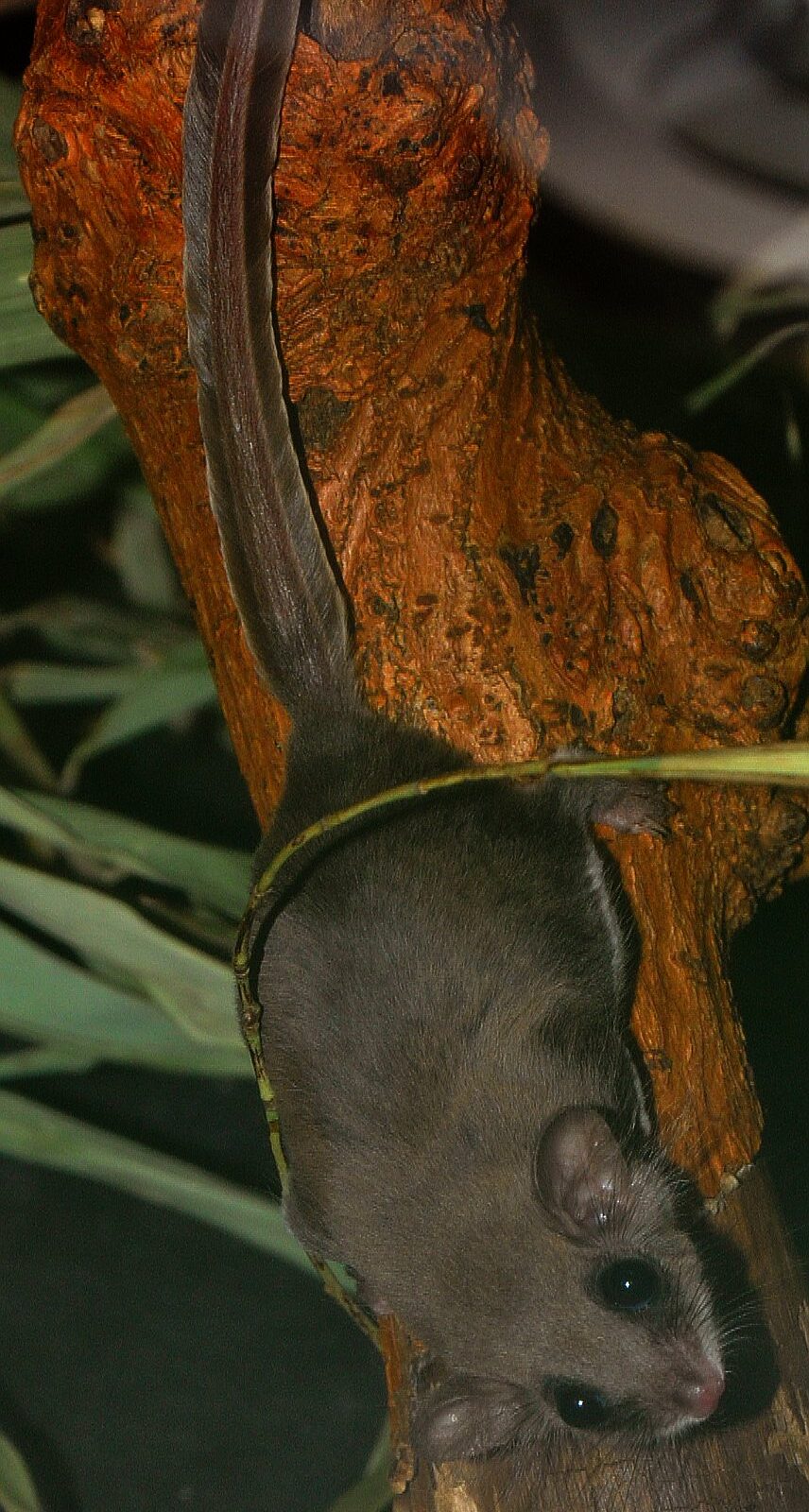
FEATHER TAIL GLIDER
DESCRIPTION
Feather Tail Glider, also known as the Feather-tailed Glider, is a small marsupial native to Australia. It is characterized by its unique feather-like tail, which aids in gliding through the trees of its forest habitat. These gliders are nocturnal and are known for their agile movements, often gliding from tree to tree in search of food and shelter.
FUN FACTS
- Feather Tail Gliders are remarkable gliders, capable of covering distances of up to 50 meters in a single glide
- Their feather-like tail not only aids in balance but also helps them steer while gliding, making them incredibly agile in the air.| These gliders have a unique adaptation in their diet, allowing them to consume nectar from flowers that are often inaccessible to other animals
- This specialization helps them play a crucial role in pollination within their ecosystem
QUICK INFO
Lifespan5-10 years in the wild, up to 15 years in captivit
Average Weight100-150 g
Average Length15-20 cm
Diet TypeOmnivore
Social StructureThey are typically found in small groups, often consisting of a few individuals that share a territory.
Activity PatternNocturnal
Breeding SeasonSpring to early summer
- Habitat
- They inhabit eucalypt forests and woodlands, where they can find ample food sources and nesting sites. Their preference for tree canopies makes them well-adapted to an arboreal lifestyle.
- Biomes
- Temperate Forest, Tropical Rainforest
- Native Range
- Feather Tail Gliders are found in eastern Australia, particularly in Queensland, New South Wales, and Victoria.
- Continent
- Australia
- Countries
- Australia
- Diet
- Feather Tail Gliders primarily feed on nectar, fruits, and insects. They have a specialized diet that allows them to thrive in their arboreal environment.
- Diet Type
- Omnivore
- Favorite Food
- nectar, fruits, insects
- Social Structure
- They are typically found in small groups, often consisting of a few individuals that share a territory.
- Activity Pattern
- Nocturnal
- Group Size
- 2-6
- Territorial
- 1
 VU
VU
 LC
LC
100-150 g
Weight
15-20 cm
Length
- Coloration
- They have a soft, greyish-brown fur with a lighter underbelly and distinctive feather-like tail.
- Lifespan
- 5-10 years in the wild, up to 15 years in captivit
- Gestation Period
- 30 days
- Offspring per Birth
- 1-2
- Sexual Maturity
- 6-12 months
- Breeding Season
- Spring to early summer
LC
Least Concern
IUCN Red List Status
- Population Status
- The population is currently stable, but habitat loss poses a potential threat.
- Wild Population Estimate
- Unknown
- Population Trend
- Stable
- Endangered
- 0
- Threats
- Main threats include habitat destruction due to logging and urban development. Climate change also poses a risk to their food sources and habitat.
- Predators
- Birds of prey, snakes, and larger mammals are known to prey on Feather Tail Gliders.
- Defense Mechanisms
- They use their gliding ability to escape predators and can also hide in tree hollows.
- Found in Zoos
- Uncommon