


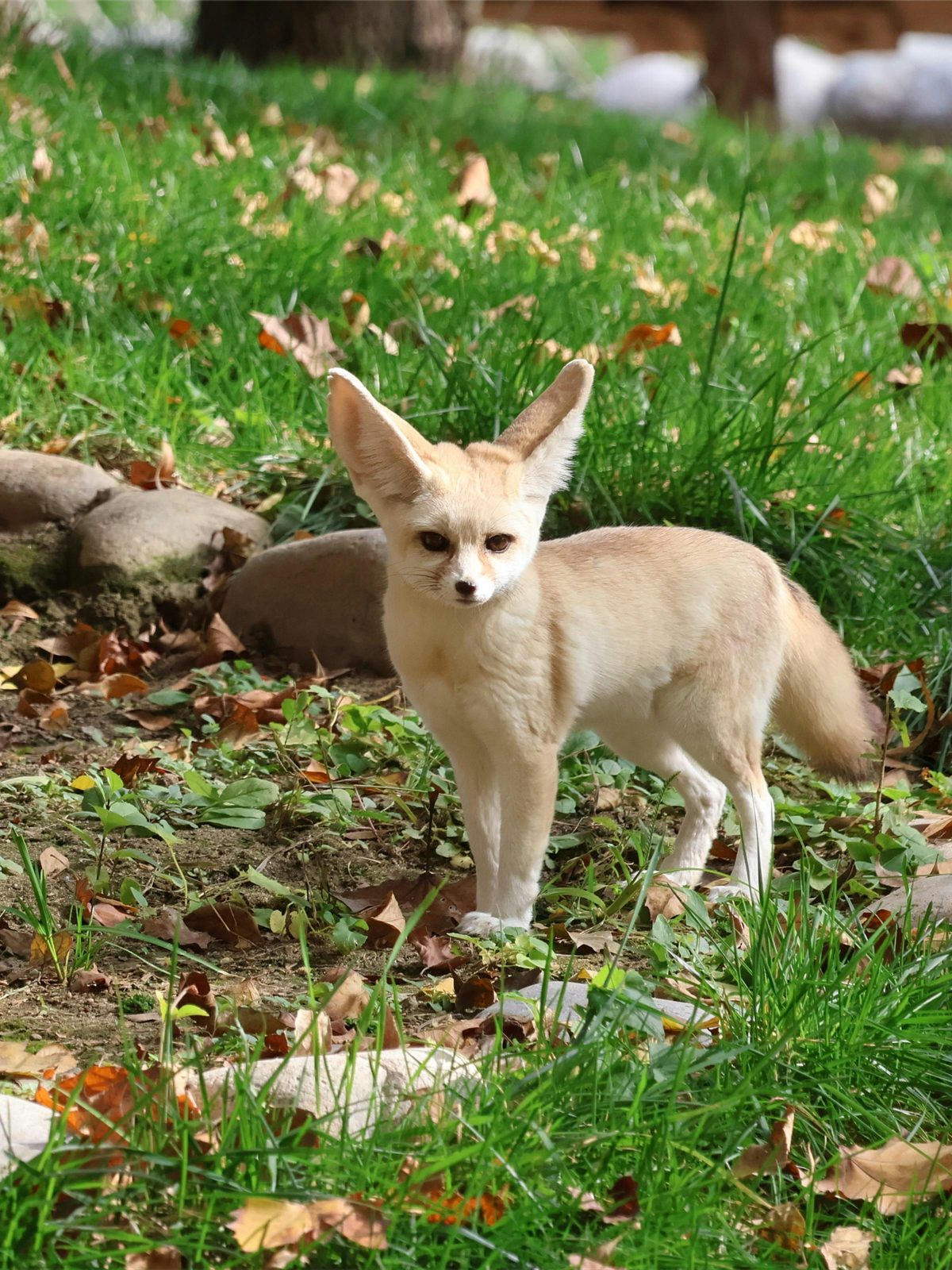
FENNEC FOX
Vulpes zerda
DESCRIPTION
Also called the desert fox, the Fennec Fox is a small nocturnal fox known for its large ears and sandy-colored fur, which helps it blend into its arid desert environment. These foxes are well-adapted to their habitat, with their ears serving not only for hearing but also for dissipating heat. Fennec Foxes are social animals that often live in small family groups, showcasing playful behavior and strong bonds with their kin.
FUN FACTS
- Fennec Foxes have the largest ears relative to body size of any fox species, which can be up to 6 inches long
- These large ears not only help them hear prey underground but also help regulate their body temperature in the hot desert climate
- | They are excellent diggers, capable of creating extensive burrow systems that can be up to 3 meters deep
- This ability allows them to escape the heat of the day and find shelter from predators
QUICK INFO
Lifespan10-14 years in the wild, up to 15 years in captivi
Average Weight1.5-3.5 kg
Average Length24-41 cm
Diet TypeOmnivore
Social StructureFennec Foxes are typically found in small family groups, consisting of a breeding pair and their offspring.
Activity PatternNocturnal
Breeding SeasonWinter (January-March)
- Habitat
- Fennec Foxes inhabit sandy deserts and arid regions, where they dig extensive burrow systems to escape the heat. Their burrows provide shelter from extreme temperatures and predators.
- Biomes
- Desert
- Native Range
- Fennec Foxes are native to the Sahara Desert and other parts of North Africa.
- Continent
- Africa
- Countries
- Algeria, Libya, Mali, Niger, Sudan, Tunisia
- Diet
- Fennec Foxes primarily eat insects, small mammals, and plants, making them opportunistic feeders. They are known to hunt at night, using their keen sense of hearing to locate prey.
- Diet Type
- Omnivore
- Favorite Food
- insects, small rodents
- Social Structure
- Fennec Foxes are typically found in small family groups, consisting of a breeding pair and their offspring.
- Activity Pattern
- Nocturnal
- Group Size
- 2-10
- Territorial
- 1
 LC
LC
 LC
LC
1.5-3.5 kg
Weight
24-41 cm
Length
- Coloration
- sandy beige with white underparts
- Sexual Dimorphism
- males are slightly larger than females
- Lifespan
- 10-14 years in the wild, up to 15 years in captivi
- Gestation Period
- 50-52 days
- Offspring per Birth
- 2-5
- Sexual Maturity
- 9-10 months
- Breeding Season
- Winter (January-March)
LC
Least Concern
IUCN Red List Status
- Population Status
- The Fennec Fox population is currently stable, with no major threats to their overall numbers.
- Wild Population Estimate
- Unknown
- Population Trend
- Stable
- Endangered
- 0
- Threats
- Main threats include habitat loss due to human encroachment and hunting for the pet trade. However, they are not currently considered endangered.
- Predators
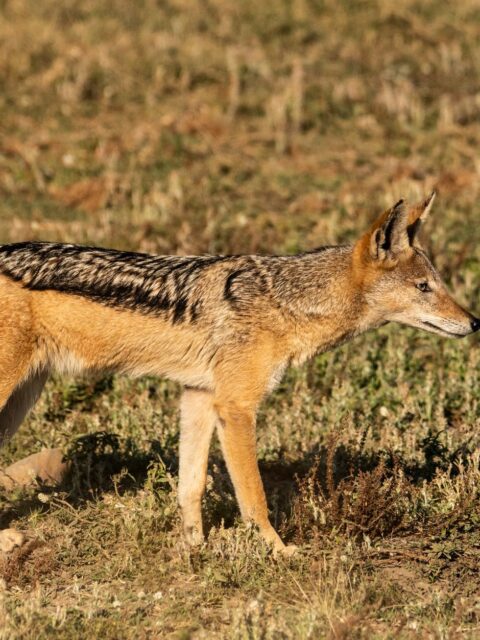
- Eagles, jackals, and larger carnivores may prey on Fennec Foxes, especially when they are young or vulnerable.
- Defense Mechanisms
- Fennec Foxes use their burrows for protection and can also rely on their speed and agility to escape predators.
- Found in Zoos
- Common