


FERRUGINOUS DUCK
Aythya nyroca
DESCRIPTION
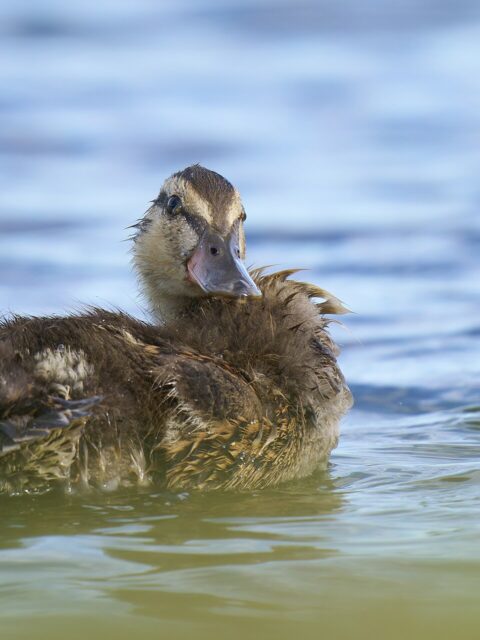
The Ferruginous Duck (Aythya nyroca) is a medium-sized diving duck characterized by its distinctive chestnut-brown plumage, particularly in males, which also feature a striking greenish-black head. Females are mottled brown and have a more subdued appearance, making them less conspicuous in their natural habitat. This species is known for its secretive behavior, often hiding among reeds and vegetation, and is typically found in freshwater wetlands and marshes.
FUN FACTS
- Ferruginous Ducks are known for their unique courtship displays, which include elaborate swimming and vocalizations to attract mates
- These displays are often performed in pairs, showcasing their agility and beauty in the water
- | Despite their preference for freshwater habitats, Ferruginous Ducks are also capable of adapting to brackish waters, demonstrating their versatility in different environments
- They are often seen foraging in shallow waters, where they can dive to find food
QUICK INFO
Lifespan10-15 years in the wild
Average Weight700-1,200 g
Average Length35-45 cm
Diet TypeOmnivore
Social Structurepair, often seen in small groups outside of the breeding season
Activity PatternDiurnal
Breeding SeasonSpring (April-June)
- Habitat
- Ferruginous Ducks inhabit freshwater lakes, marshes, and wetlands, often favoring areas with dense vegetation for cover. They require shallow waters for foraging and nesting.
- Biomes
- Wetlands, Freshwater
- Native Range
- The native range of the Ferruginous Duck includes parts of Europe, Asia, and North Africa, with migratory populations in some regions.
- Continent
- Europe, Asia, Africa
- Countries
- Spain, Italy, Greece, Turkey, Russia, Kazakhstan
- Diet
- Ferruginous Ducks primarily feed on aquatic plants, seeds, and invertebrates. They are known to dive underwater to forage for food.
- Diet Type
- Omnivore
- Favorite Food
- aquatic plants, seeds, invertebrates
- Social Structure
- pair, often seen in small groups outside of the breeding season
- Activity Pattern
- Diurnal
- Group Size
- 2-10
- Territorial
- 0

 VU
VU
 LC
LC
700-1,200 g
Weight
35-45 cm
Length
- Coloration
- Males are chestnut-brown with a dark head, while females are mottled brown.
- Sexual Dimorphism
- Males are more brightly colored than females.
- Lifespan
- 10-15 years in the wild
- Offspring per Birth
- 6-12
- Sexual Maturity
- 1 year
- Breeding Season
- Spring (April-June)
NT
Near Threatened
IUCN Red List Status
- Population Status
- The population of Ferruginous Ducks is currently considered to be declining in some areas due to habitat loss.
- Wild Population Estimate
- 50,000-100,000
- Population Trend
- Decreasing
- Endangered
- 0
- Threats
- Main threats include habitat destruction due to drainage of wetlands and pollution. Additionally, hunting and disturbance from human activities pose risks to their populations.
- Predators
- Foxes, birds of prey, and large fish can pose threats to Ferruginous Duck nests and ducklings.
- Defense Mechanisms
- They rely on their cryptic coloration and secretive behavior to avoid predators.
- Found in Zoos
- Uncommon