


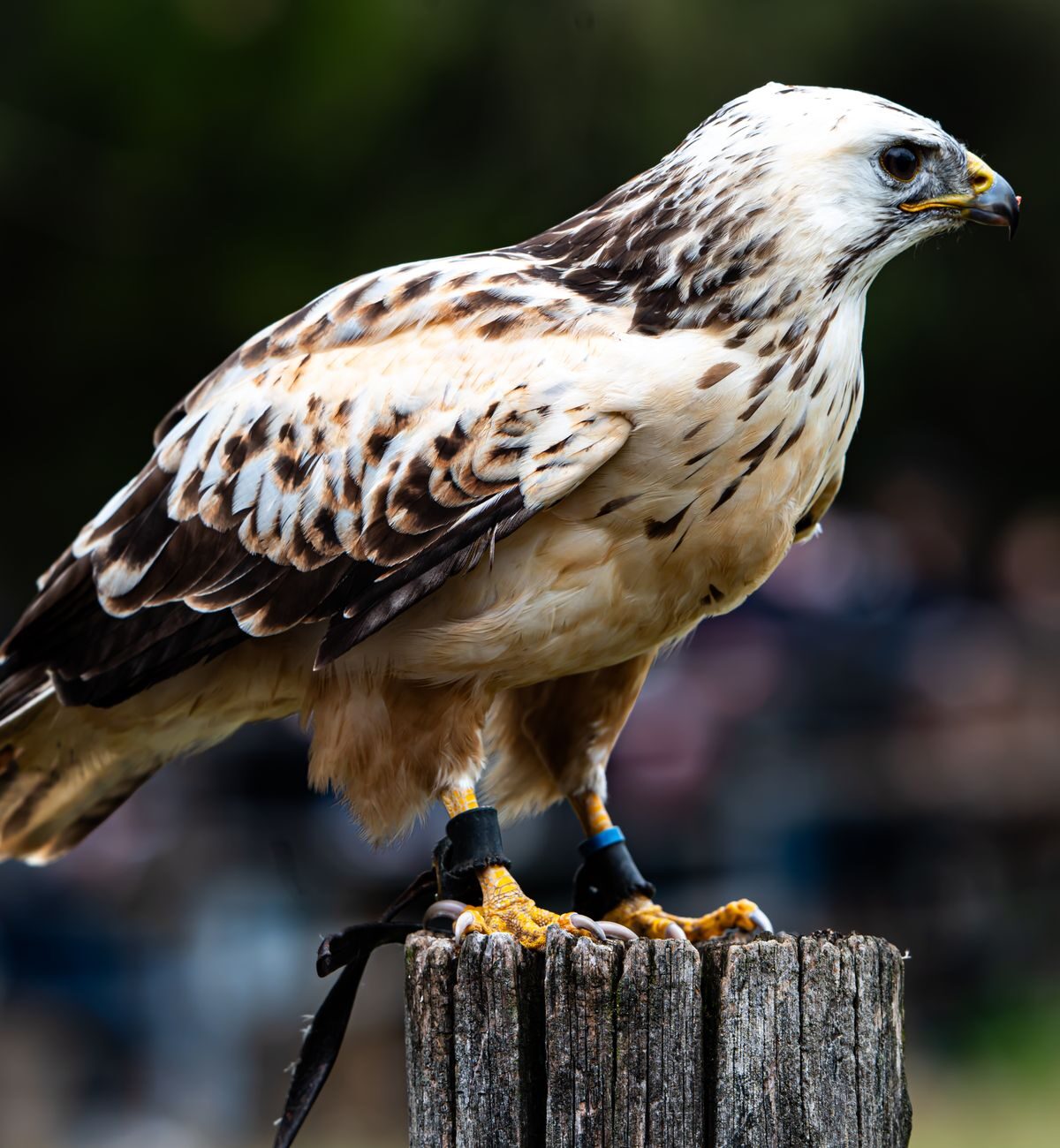
FERRUGINOUS HAWK
Buteo regalis
DESCRIPTION
Ferruginous Hawk (Buteo regalis) is a large raptor known for its striking appearance, featuring a distinctive rusty-brown coloration on its back and a pale underside with dark streaks. This species exhibits a robust build and broad wings, making it an impressive sight in the skies of North America. Ferruginous Hawks are known for their hunting prowess, often soaring high above open landscapes in search of prey, and they prefer to nest in tall structures such as trees or cliffs, showcasing their adaptability to various environments.
FUN FACTS
- Ferruginous Hawks are one of the largest hawk species in North America, with wingspans that can exceed 1.5 meters
- They are also known for their unique hunting technique of hovering in the air to spot prey from above, which is quite rare among hawks.| These hawks have a remarkable ability to adapt to different habitats, allowing them to thrive in both natural and agricultural landscapes
- Their striking coloration and impressive size make them a favorite among birdwatchers and wildlife enthusiasts
QUICK INFO
Lifespan15-20 years in the wild, up to 30 in captivity
Average Weight1.5-2.5 kg
Average Length48-65 cm
Diet TypeCarnivore
Social Structuresolitary, typically seen alone or in pairs during breeding season
Activity PatternDiurnal
Breeding SeasonSpring (March-May)
- Habitat
- These hawks inhabit open grasslands, shrublands, and agricultural areas, often favoring regions with sparse tree cover for nesting. They require large territories for hunting and are typically found in areas with abundant prey.
- Biomes
- Grassland, Savanna
- Native Range
- Ferruginous Hawks are native to western North America, ranging from southern Canada to northern Mexico.
- Continent
- North America
- Countries
- United States, Canada, Mexico
- Diet
- Ferruginous Hawks primarily feed on small mammals, particularly rodents, but they also hunt birds and reptiles when necessary.
- Diet Type
- Carnivore
- Favorite Food
- Rodents
- Social Structure
- solitary, typically seen alone or in pairs during breeding season
- Activity Pattern
- Diurnal
- Group Size
- 1-2
- Territorial
- 1
 LC
LC
 LC
LC
1.5-2.5 kg
Weight
48-65 cm
Length
- Coloration
- Rusty-brown back with pale underparts and dark streaks
- Sexual Dimorphism
- Females are generally larger than males.
- Lifespan
- 15-20 years in the wild, up to 30 in captivity
- Offspring per Birth
- 2-4
- Sexual Maturity
- 2-3 years
- Breeding Season
- Spring (March-May)
LC
Least Concern
IUCN Red List Status
- Population Status
- The population of Ferruginous Hawks is currently stable, although they face habitat loss in some areas.
- Wild Population Estimate
- 20,000-30,000
- Population Trend
- Stable
- Endangered
- 0
- Threats
- Main threats include habitat destruction due to agricultural expansion and human encroachment. Additionally, they may be affected by rodenticide use, which can reduce their prey availability.
- Predators
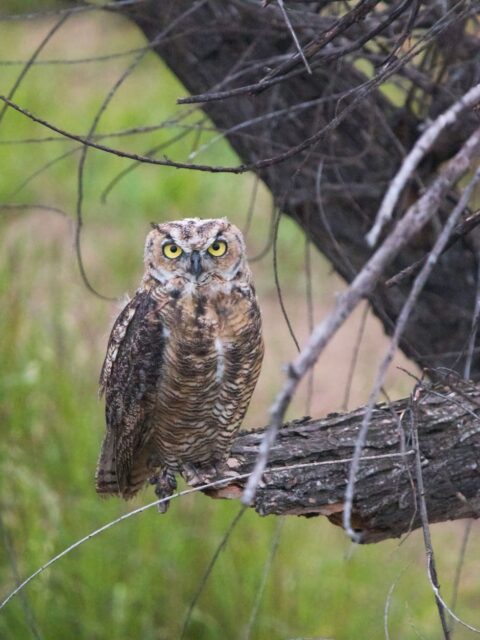
- Great Horned Owls, Golden Eagles, and larger raptors may prey on Ferruginous Hawk eggs and young.
- Defense Mechanisms
- They use aggressive displays and vocalizations to defend their territory and nests.
- Found in Zoos
- Uncommon