



FISHING CAT
Prionailurus viverrinus
DESCRIPTION
The Fishing Cat (Prionailurus viverrinus) is a medium-sized wild cat characterized by its stocky build, short legs, and webbed feet, which aid in swimming. Its fur is coarse and typically grayish-brown with dark spots and stripes, providing excellent camouflage in its wetland habitat. Fishing Cats are primarily nocturnal and are known for their unique hunting behavior, often stalking and catching fish in shallow waters, showcasing their adaptability to aquatic environments.
FUN FACTS
- Fishing Cats are unique among felids for their affinity for water, often being seen swimming and hunting in aquatic environments
- They have specialized adaptations, such as partially webbed feet, which enhance their swimming capabilities and allow them to catch fish with remarkable efficiency.| Despite their name, Fishing Cats are not limited to a fish diet; they are opportunistic feeders and will consume a variety of prey, including small mammals and birds, depending on availability in their habitat
QUICK INFO
Lifespan10-15 years in the wild, up to 20 years in captivi
Average Weight8-16 kg
Average Length60-90 cm
Diet TypePiscivore
Social Structuresolitary, typically living alone except during mating season or when a mother is raising her young
Activity PatternNocturnal
Breeding SeasonYear-round, with peaks depending on the region
- Habitat
- Fishing Cats inhabit wetlands, swamps, and marshes, where they can find abundant water sources. They prefer areas with dense vegetation that provides cover for hunting and resting.
- Biomes
- Wetlands, Marshes, Swamps
- Native Range
- Fishing Cats are native to South and Southeast Asia, found in countries with suitable wetland habitats.
- Continent
- Asia
- Countries
- India, Bangladesh, Nepal, Bhutan, Myanmar, Thailand, Vietnam, Cambodia, Indonesia, Malaysia
- Diet
- Fishing Cats primarily eat fish, but they also consume amphibians, crustaceans, and small mammals. Their hunting technique involves wading into water and using their paws to catch prey.
- Diet Type
- Piscivore
- Favorite Food
- fish
- Social Structure
- solitary, typically living alone except during mating season or when a mother is raising her young
- Activity Pattern
- Nocturnal
- Group Size
- 1
- Territorial
- 1
 VU
VU
 VU
VU
8-16 kg
Weight
60-90 cm
Length
- Coloration
- grayish-brown with dark spots and stripes
- Sexual Dimorphism
- males are generally larger than females
- Lifespan
- 10-15 years in the wild, up to 20 years in captivi
- Gestation Period
- 63-70 days
- Offspring per Birth
- 1-4
- Sexual Maturity
- 1-2 years
- Breeding Season
- Year-round, with peaks depending on the region
VU
Vulnerable
IUCN Red List Status
- Population Status
- The Fishing Cat population is currently declining due to habitat loss and hunting.
- Wild Population Estimate
- unknown
- Population Trend
- Decreasing
- Endangered
- 1
- Threats
- The main threats to Fishing Cats include habitat destruction due to agriculture and urbanization, as well as hunting for their pelts. Pollution and climate change also pose significant risks to their wetland habitats.
- Predators
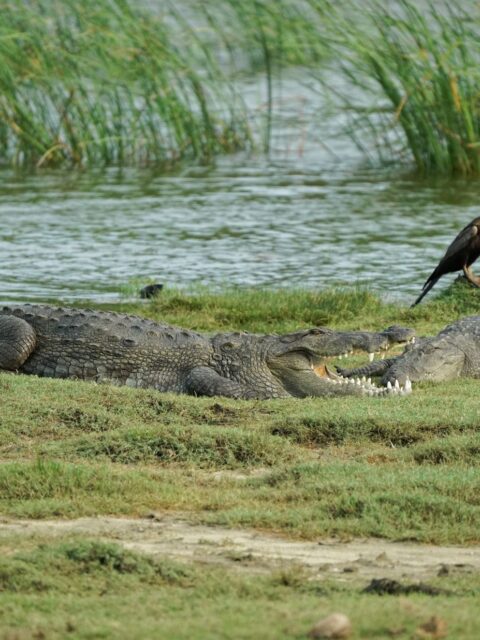
- Large birds of prey, crocodiles, and larger carnivores may pose threats to Fishing Cats, especially to young or vulnerable individuals.
- Defense Mechanisms
- Fishing Cats may use their agility and swimming ability to escape predators, as well as their camouflage to avoid detection.
- Found in Zoos
- Uncommon