


FITZINGER'S FALSE CORAL SNAKE
Oxyrhopus fitzingeri
DESCRIPTION
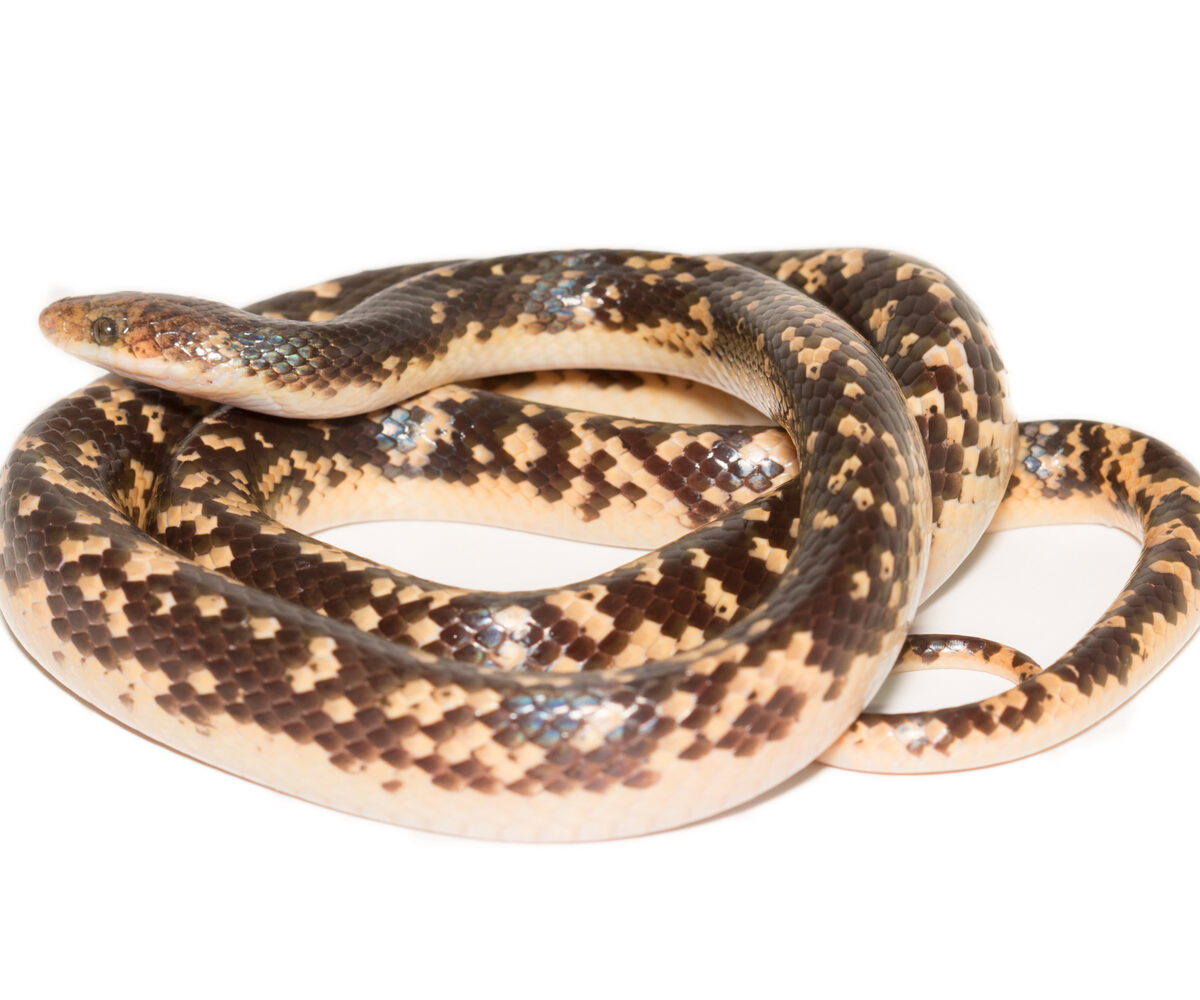
Fitzinger's False Coral Snake (Oxyrhopus fitzingeri) is commonly known for its striking coloration, which mimics that of true coral snakes, providing it with a form of protective mimicry. This species exhibits a slender body with a pattern of bright red, black, and yellow bands, which can vary in intensity and arrangement among individuals. Primarily found in tropical and subtropical regions, it is a non-venomous snake that relies on its resemblance to more dangerous species to deter potential predators.
FUN FACTS
- Fitzinger's False Coral Snake is often mistaken for the highly venomous coral snake, which helps it avoid predation
- Interestingly, despite its mimicry, this species is completely harmless to humans and plays a vital role in controlling the populations of its prey species.| The coloration of Fitzinger's False Coral Snake can vary significantly across its range, with some individuals displaying more vibrant colors than others
- This variation not only aids in camouflage but also highlights the adaptability of the species to different environments
QUICK INFO
Lifespan10-15 years in the wild, up to 20 in captivity
Average Weight0.5-1 kg
Average Length1-1.5 m
Diet TypeCarnivore
Social Structuresolitary, typically found alone except during mating season
Activity PatternDiurnal
Breeding SeasonSpring (March-May)
- Habitat
- This species inhabits a variety of environments, including forests, grasslands, and shrublands. It prefers areas with ample cover, such as leaf litter and dense vegetation, which provide both hunting grounds and protection.
- Biomes
- Tropical Rainforest, Savanna, Grassland
- Native Range
- Fitzinger's False Coral Snake is native to parts of Central and South America, ranging from southern Mexico to northern Argentina.
- Continent
- North America, South America
- Countries
- Mexico, Guatemala, Honduras, Nicaragua, Costa Rica, Panama, Colombia, Venezuela, Ecuador, Brazil, Bolivia, Paraguay, Argentina
- Diet
- Fitzinger's False Coral Snake primarily feeds on small reptiles and amphibians, including lizards and frogs. It uses its agility and speed to capture prey.
- Diet Type
- Carnivore
- Favorite Food
- small reptiles, amphibians
- Social Structure
- solitary, typically found alone except during mating season
- Activity Pattern
- Diurnal
- Group Size
- 1
- Territorial
- 0
 VU
VU

0.5-1 kg
Weight
1-1.5 m
Length
- Coloration
- bright red, black, and yellow bands
- Lifespan
- 10-15 years in the wild, up to 20 in captivity
- Offspring per Birth
- 3-10
- Sexual Maturity
- 2-3 years
- Breeding Season
- Spring (March-May)
LC
Least Concern
IUCN Red List Status
- Population Status
- The population is currently stable, with no significant declines reported.
- Wild Population Estimate
- unknown
- Population Trend
- Stable
- Endangered
- 0
- Threats
- Main threats include habitat destruction due to deforestation and urbanization. Additionally, they may be killed due to their resemblance to venomous species.
- Predators
- birds of prey, larger snakes, mammals
- Defense Mechanisms
- When threatened, Fitzinger's False Coral Snake may mimic the defensive behaviors of venomous snakes, such as coiling and striking.
- Found in Zoos
- Uncommon