


FLAT-HEADED TAPIR
Tapirus indicus
DESCRIPTION
The Flat-Headed Tapir (Tapirus indicus) is a large herbivorous mammal native to Southeast Asia. It is characterized by its distinctive flat head and a body covered in short, coarse hair.
FUN FACTS
- Flat-Headed Tapirs are excellent swimmers and can submerge themselves to escape predators | They have a long, flexible snout that helps them grasp leaves and fruits | They are one of the most endangered tapir species due to habitat loss
QUICK INFO
Lifespan15-20 years in the wild, up to 30 in captivity
Average Weight150-250 kg
Average Length1.8-2.5 m
Diet TypeHerbivore
Social Structuresolitary, occasionally seen in pairs
Activity PatternNocturnal
Breeding SeasonYear-round, with peaks depending on the region
- Habitat
- They inhabit tropical rainforests and swampy areas, often near rivers and streams. Their habitat provides ample vegetation for feeding and water for drinking.
- Biomes
- Tropical Rainforest, Wetlands
- Native Range
- Southeast Asia, particularly in Malaysia, Indonesia, and Thailand.
- Continent
- Asia
- Countries
- Malaysia, Indonesia, Thailand
- Diet
- Flat-Headed Tapirs primarily feed on leaves, fruits, and aquatic plants. They are known to consume a variety of vegetation found in their habitat.
- Diet Type
- Herbivore
- Favorite Food
- leaves, fruits, aquatic plants
- Social Structure
- solitary, occasionally seen in pairs
- Activity Pattern
- Nocturnal
- Group Size
- 1-2
- Territorial
- 0

 VU
VU
150-250 kg
Weight
1.8-2.5 m
Length
- Coloration
- dark brown to black with lighter underparts
- Lifespan
- 15-20 years in the wild, up to 30 in captivity
- Gestation Period
- 110 days
- Offspring per Birth
- 1
- Sexual Maturity
- 3-4 years
- Breeding Season
- Year-round, with peaks depending on the region
EN
Endangered
IUCN Red List Status
- Population Status
- The population is currently declining due to habitat loss and hunting.
- Wild Population Estimate
- 2,500-5,000
- Population Trend
- Decreasing
- Endangered
- 1
- Threats
- Main threats include habitat destruction due to agriculture and logging, as well as hunting for meat and skin.
- Conservation Program
- Various conservation efforts are in place, including habitat protection and breeding programs.
- Predators
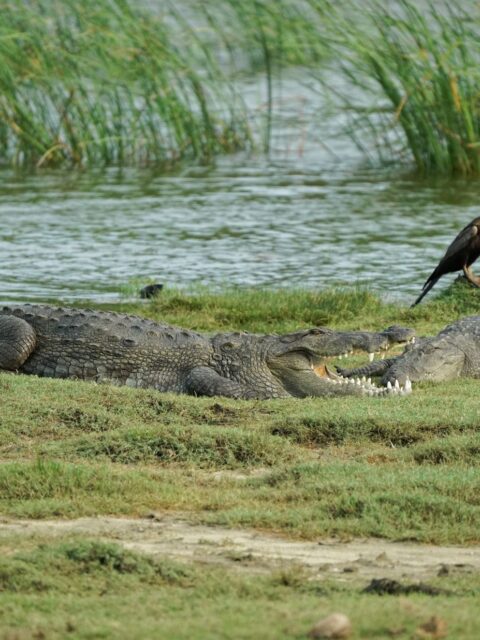
- Large cats and crocodiles
- Defense Mechanisms
- They rely on their size and strength to deter predators, and can also hide in dense vegetation.
- Found in Zoos
- Uncommon