


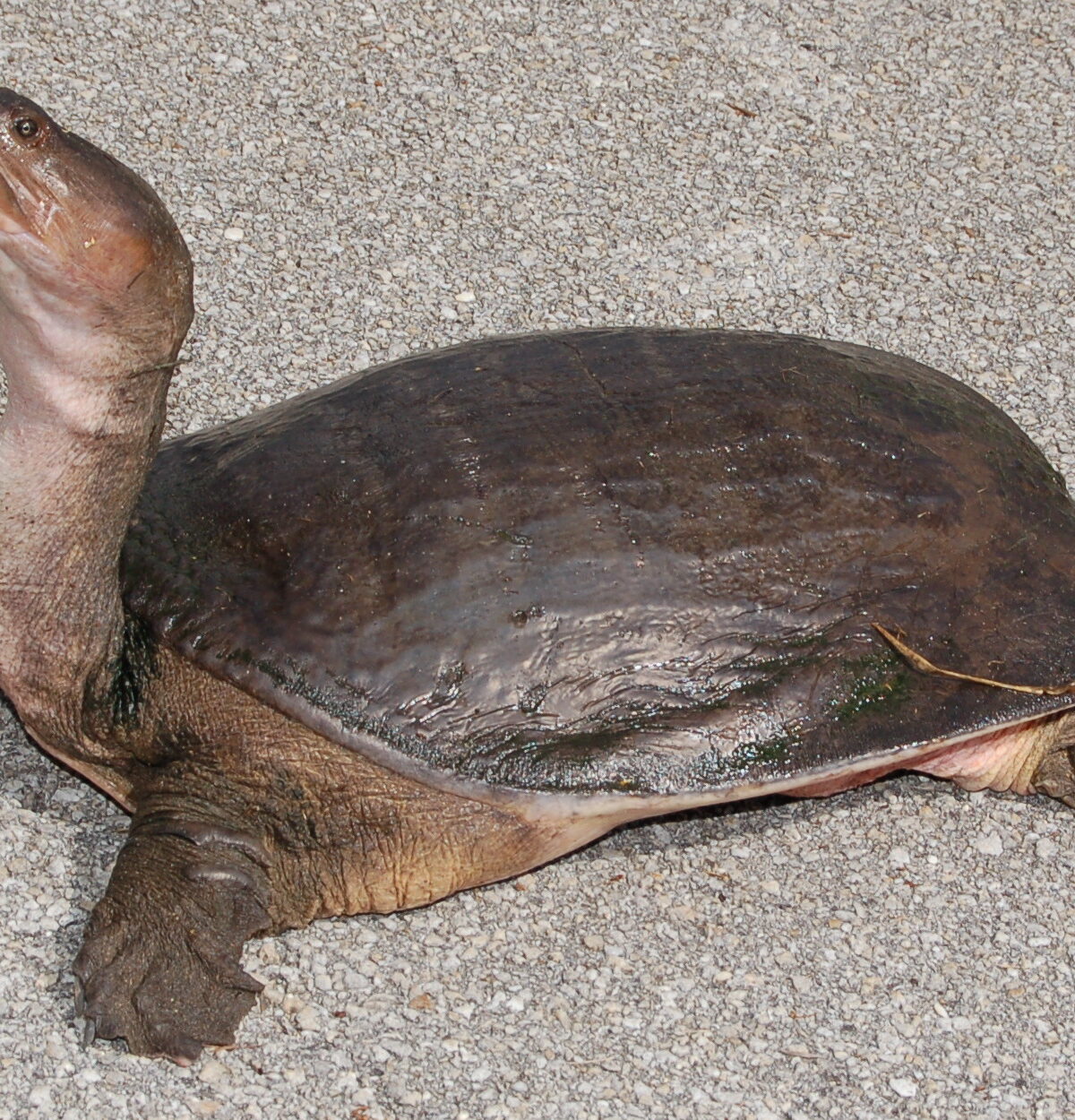
FLORIDA TURTLE
DESCRIPTION
Florida Turtle, also known as the Florida Cooter, is a medium-sized freshwater turtle characterized by its distinctive yellow and black markings. Its shell is typically dark brown to black with yellow stripes, and it has a flattened, oval shape. This species is known for its basking behavior, often seen sunning itself on logs or rocks during the day, and it plays a crucial role in its aquatic ecosystem by helping to control aquatic vegetation.
FUN FACTS
- Florida Turtles are known for their impressive basking behavior, often seen sunning themselves in groups on logs or rocks
- This behavior not only helps them regulate their body temperature but also aids in the synthesis of vitamin D
- | These turtles are an important part of their ecosystem, as they help control aquatic plant growth and provide food for various predators
- Their presence indicates a healthy aquatic environment, making them a key species for ecological monitoring
QUICK INFO
Lifespan20-30 years in the wild
Average Weight2-5 kg
Average Length20-30 cm
Diet TypeHerbivore
Social Structuregroup — they often bask together and can be seen in groups during the day.
Activity PatternDiurnal
Breeding SeasonSpring to early summer
- Habitat
- Florida Turtles inhabit freshwater environments such as lakes, ponds, rivers, and marshes. They prefer areas with abundant vegetation and basking sites.
- Biomes
- Freshwater, Wetlands
- Native Range
- The native range of the Florida Turtle includes the southeastern United States, particularly Florida and parts of Georgia and Alabama.
- Continent
- North America
- Countries
- United States
- Diet
- Florida Turtles are primarily herbivorous, feeding on a variety of aquatic plants, algae, and some fruits. They may occasionally consume small invertebrates.
- Diet Type
- Herbivore
- Favorite Food
- aquatic plants, algae
- Social Structure
- group — they often bask together and can be seen in groups during the day.
- Activity Pattern
- Diurnal
- Group Size
- 5-30
- Territorial
- 0
 LC
LC
 VU
VU
2-5 kg
Weight
20-30 cm
Length
- Coloration
- dark brown to black shell with yellow stripes and markings
- Sexual Dimorphism
- males are generally smaller than females and have longer tails
- Lifespan
- 20-30 years in the wild
- Offspring per Birth
- 3-20
- Sexual Maturity
- 5-7 years
- Breeding Season
- Spring to early summer
LC
Least Concern
IUCN Red List Status
- Population Status
- The population of Florida Turtles is currently stable, but they face threats from habitat loss.
- Wild Population Estimate
- unknown
- Population Trend
- Stable
- Endangered
- 0
- Threats
- Main threats to Florida Turtles include habitat destruction due to urban development and pollution in their aquatic environments. Additionally, they are vulnerable to road mortality when crossing to nesting sites.
- Predators
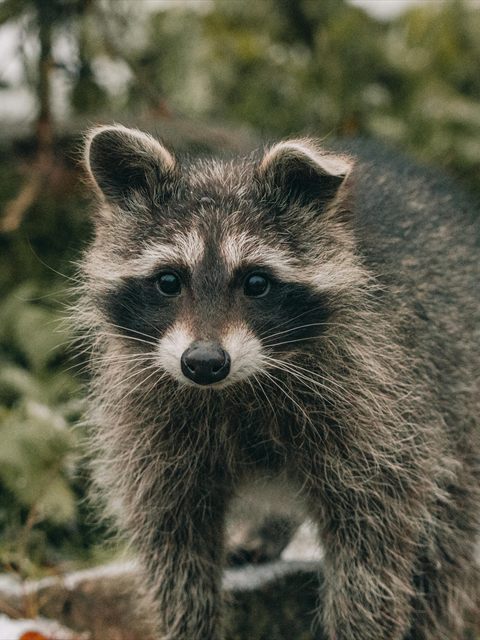
- Raccoons, birds of prey, and large fish are known predators of Florida Turtles, particularly targeting their eggs and hatchlings.
- Defense Mechanisms
- Florida Turtles can retract their heads and limbs into their shells for protection against predators.
- Compatible Animals
- other freshwater turtles, fish
- Found in Zoos
- Common