


FOREST BAT
Myotis bechsteinii
DESCRIPTION
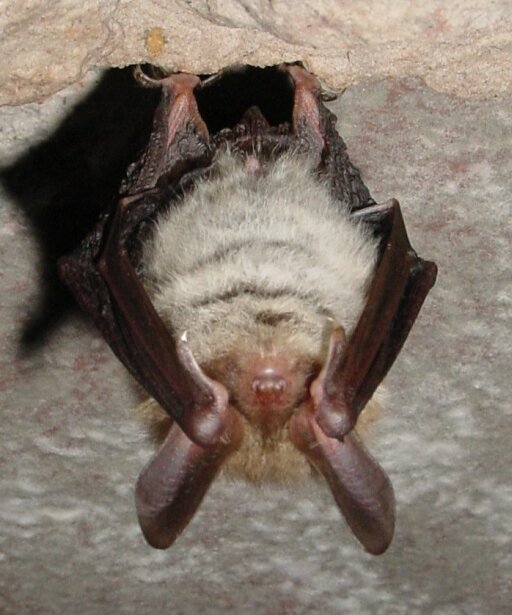
Forest Bat (Myotis bechsteinii), also known as Bechstein's Bat, is a medium-sized bat characterized by its long ears and a distinctive fur coloration that ranges from brown to gray. This species is primarily found in deciduous forests, where it roosts in tree cavities and under loose bark, showcasing its preference for mature woodland habitats. Forest Bats are known for their agile flight and echolocation abilities, which they use to navigate and hunt for insects in the dark.
FUN FACTS
- Forest Bats are known for their unique roosting habits, often choosing tree cavities or under loose bark, which provides them with protection from predators and harsh weather
- They play a crucial role in their ecosystem by controlling insect populations, making them important for maintaining ecological balance.| These bats have a remarkable ability to echolocate, allowing them to navigate and hunt in complete darkness
- Their echolocation calls are high-pitched and can be difficult for humans to hear, but they are essential for the bats' survival in their nocturnal environment
QUICK INFO
Lifespan5-10 years in the wild
Average Weight8-12 g
Average Length4.5-5.5 cm
Diet TypeInsectivore
Social Structuregroup — they often roost in small colonies, typically consisting of a few individuals.
Activity PatternNocturnal
Breeding SeasonSpring (May-June)
- Habitat
- This species thrives in mature deciduous forests, often favoring areas with abundant tree cover and suitable roosting sites. They are also found in mixed woodlands and sometimes in parkland areas.
- Biomes
- Temperate Forest
- Native Range
- Forest Bats are native to parts of Europe, particularly in central and western regions.
- Continent
- Europe
- Countries
- Germany, France, Austria, Switzerland, Poland
- Diet
- Forest Bats primarily feed on small flying insects, including moths and beetles, which they catch in mid-air using their echolocation skills.
- Diet Type
- Insectivore
- Favorite Food
- moths, beetles
- Social Structure
- group — they often roost in small colonies, typically consisting of a few individuals.
- Activity Pattern
- Nocturnal
- Group Size
- 2-20
- Territorial
- 0
 VU
VU
 CR
CR
8-12 g
Weight
4.5-5.5 cm
Length
- Coloration
- brown to gray fur with a lighter underside
- Lifespan
- 5-10 years in the wild
- Gestation Period
- 50-60 days
- Offspring per Birth
- 1-2
- Sexual Maturity
- 1 year
- Breeding Season
- Spring (May-June)
LC
Least Concern
IUCN Red List Status
- Population Status
- The population of Forest Bats is currently considered stable, although they face habitat loss in some areas.
- Wild Population Estimate
- unknown
- Population Trend
- Stable
- Endangered
- 0
- Threats
- Main threats include habitat destruction due to logging and urban development, as well as disturbance of roosting sites. Pesticide use can also impact their food supply.
- Predators
- birds of prey, such as owls and hawks, as well as larger mammals like cats.
- Defense Mechanisms
- They rely on their ability to fly quickly and maneuver through trees to evade predators.
- Found in Zoos
- Rare