



FOREST SHEEP
DESCRIPTION
Forest sheep, also known as the mouflon, are medium-sized wild sheep characterized by their curved horns and thick woolly coats. They typically have a reddish-brown coloration with white markings on their face and legs, which helps them blend into their forested habitats. These animals are known for their agility and are often seen navigating steep, rocky terrains in search of food and shelter.
FUN FACTS
- Forest sheep are considered one of the ancestors of domestic sheep, showcasing a remarkable adaptability to various environments
- | They have a unique social structure where females and young stay together, while males often roam alone or in small bachelor groups, especially outside the breeding season
QUICK INFO
Lifespan10-15 years in the wild, up to 20 in captivity
Average Weight50-90 kg
Average Length1.2-1.5 m
Diet TypeHerbivore
Social StructureThey typically live in small groups, often consisting of females and their offspring, while males may be solitary or form bachelor groups.
Activity PatternCrepuscular
Breeding SeasonAutumn (September-November)
- Habitat
- Forest sheep inhabit dense woodlands and mountainous regions, where they can find ample cover and food sources. They prefer areas with a mix of open grasslands and forested patches.
- Biomes
- Temperate Forest, Montane Forest
- Native Range
- Forest sheep are native to the mountainous regions of Europe and parts of Asia.
- Continent
- Europe, Asia
- Countries
- Italy, Greece, Turkey, Cyprus
- Diet
- Forest sheep are herbivores that primarily graze on grasses, leaves, and shrubs. They are known to forage selectively, choosing the most nutritious plants available.
- Diet Type
- Herbivore
- Favorite Food
- grasses, leaves, shrubs
- Social Structure
- They typically live in small groups, often consisting of females and their offspring, while males may be solitary or form bachelor groups.
- Activity Pattern
- Crepuscular
- Group Size
- 5-15
- Territorial
- 0
 LC
LC
 LC
LC
50-90 kg
Weight
1.2-1.5 m
Length
0.8-1.0 m at shoulder
Height (Shoulder)
- Coloration
- reddish-brown with white markings
- Sexual Dimorphism
- Males are larger and have prominent curved horns, while females are smaller and hornless.
- Lifespan
- 10-15 years in the wild, up to 20 in captivity
- Gestation Period
- 150 days
- Offspring per Birth
- 1-2
- Sexual Maturity
- 1-2 years
- Breeding Season
- Autumn (September-November)
LC
Least Concern
IUCN Red List Status
- Population Status
- The population of forest sheep is currently stable in some regions but declining in others due to habitat loss and hunting.
- Wild Population Estimate
- 30,000-50,000
- Population Trend
- Stable
- Endangered
- 0
- Threats
- Main threats include habitat destruction due to logging and agriculture, as well as hunting pressures. In some areas, competition with domestic livestock also poses a challenge.
- Predators
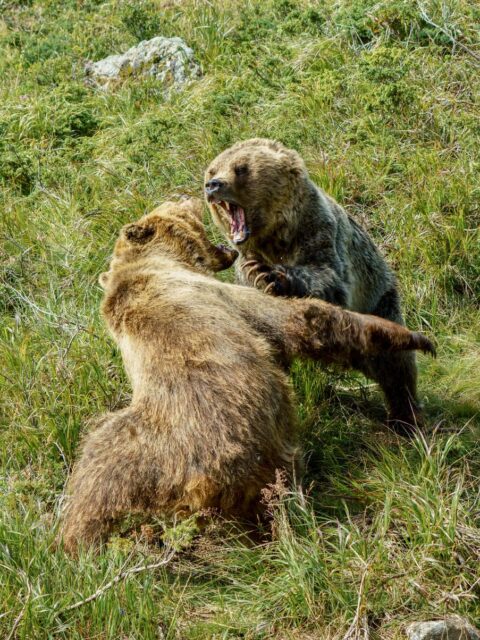
- Wolves, bears, and large birds of prey are known to prey on forest sheep, particularly the young and weak individuals.
- Defense Mechanisms
- Forest sheep rely on their agility and ability to navigate difficult terrain to escape predators, often using dense vegetation for cover.
- Found in Zoos
- Uncommon