



FOREST WOMBAT
Vombatus ursinus hirsutus
DESCRIPTION
The Forest Wombat, a subspecies of the common wombat, is characterized by its robust body and short legs, with a distinctive broad head and large, powerful claws adapted for digging. They have a dense, coarse fur that can vary in color from brown to grey, providing camouflage in their forested habitats. These wombats are primarily nocturnal and are known for their solitary behavior, often creating extensive burrow systems that serve as both shelter and a means to regulate their body temperature.
FUN FACTS
- Forest Wombats have a unique way of moving; they can run surprisingly fast despite their stocky build, reaching speeds of up to 40 km/h when necessary
- | Their burrows can be quite complex, with some wombats creating networks of tunnels that can extend over 100 meters, providing them with a safe haven from predators
QUICK INFO
Lifespan15 years in the wild, up to 20 years in captivity
Average Weight20-35 kg
Average Length1-1.2 m
Diet TypeHerbivore
Social Structuresolitary
Activity PatternNocturnal
Breeding SeasonSpring (September-November)
- Habitat
- Forest Wombats inhabit temperate forests and woodlands, where they can find ample vegetation for foraging. They prefer areas with dense undergrowth that provide cover and suitable conditions for burrowing.
- Biomes
- Temperate Forest
- Native Range
- The native range of the Forest Wombat is primarily in Tasmania and parts of southeastern Australia.
- Continent
- Australia
- Countries
- Australia, Tasmania
- Diet
- Forest Wombats are herbivores, primarily feeding on grasses, roots, and other vegetation. They have a strong digestive system that allows them to break down tough plant materials efficiently.
- Diet Type
- Herbivore
- Favorite Food
- grasses, roots
- Social Structure
- solitary
- Activity Pattern
- Nocturnal
- Group Size
- 1
- Territorial
- 1
 LC
LC
 EN
EN
 VU
VU
20-35 kg
Weight
1-1.2 m
Length
- Coloration
- brown to grey fur
- Lifespan
- 15 years in the wild, up to 20 years in captivity
- Gestation Period
- 20-30 days
- Offspring per Birth
- 1
- Sexual Maturity
- 2 years
- Breeding Season
- Spring (September-November)
LC
Least Concern
IUCN Red List Status
- Population Status
- The population of Forest Wombats is currently stable, but they face habitat loss and other threats.
- Wild Population Estimate
- unknown
- Population Trend
- Stable
- Endangered
- 0
- Threats
- Main threats include habitat destruction due to agriculture and urban development, as well as vehicle collisions. Additionally, they are susceptible to diseases and competition with livestock for food.
- Predators
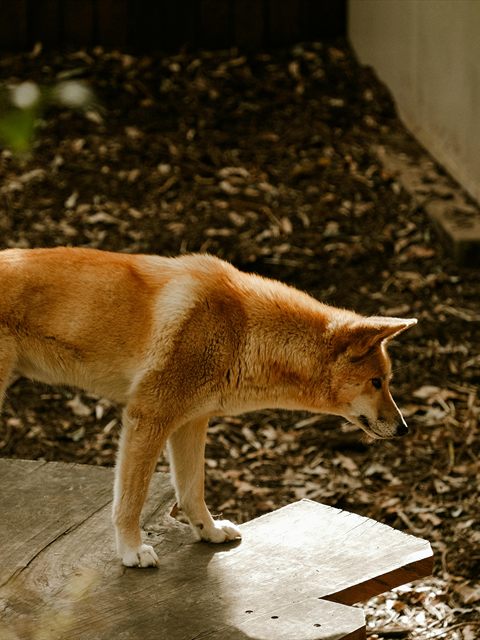
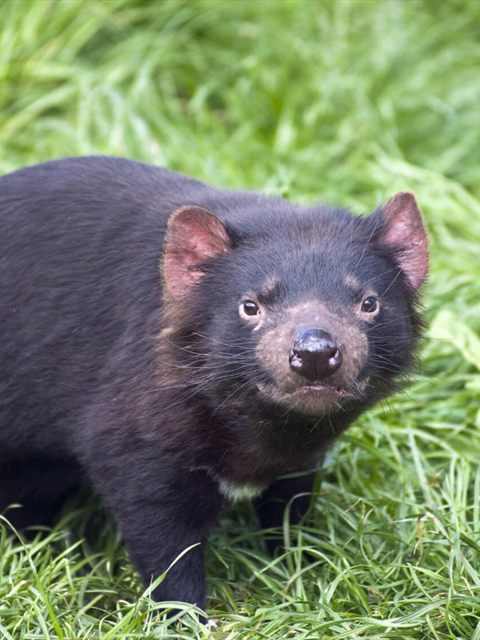
- Dingoes, Tasmanian devils, and large birds of prey.
- Defense Mechanisms
- When threatened, Forest Wombats can dig quickly to escape into their burrows or use their strong bodies to defend themselves.
- Found in Zoos
- Uncommon