


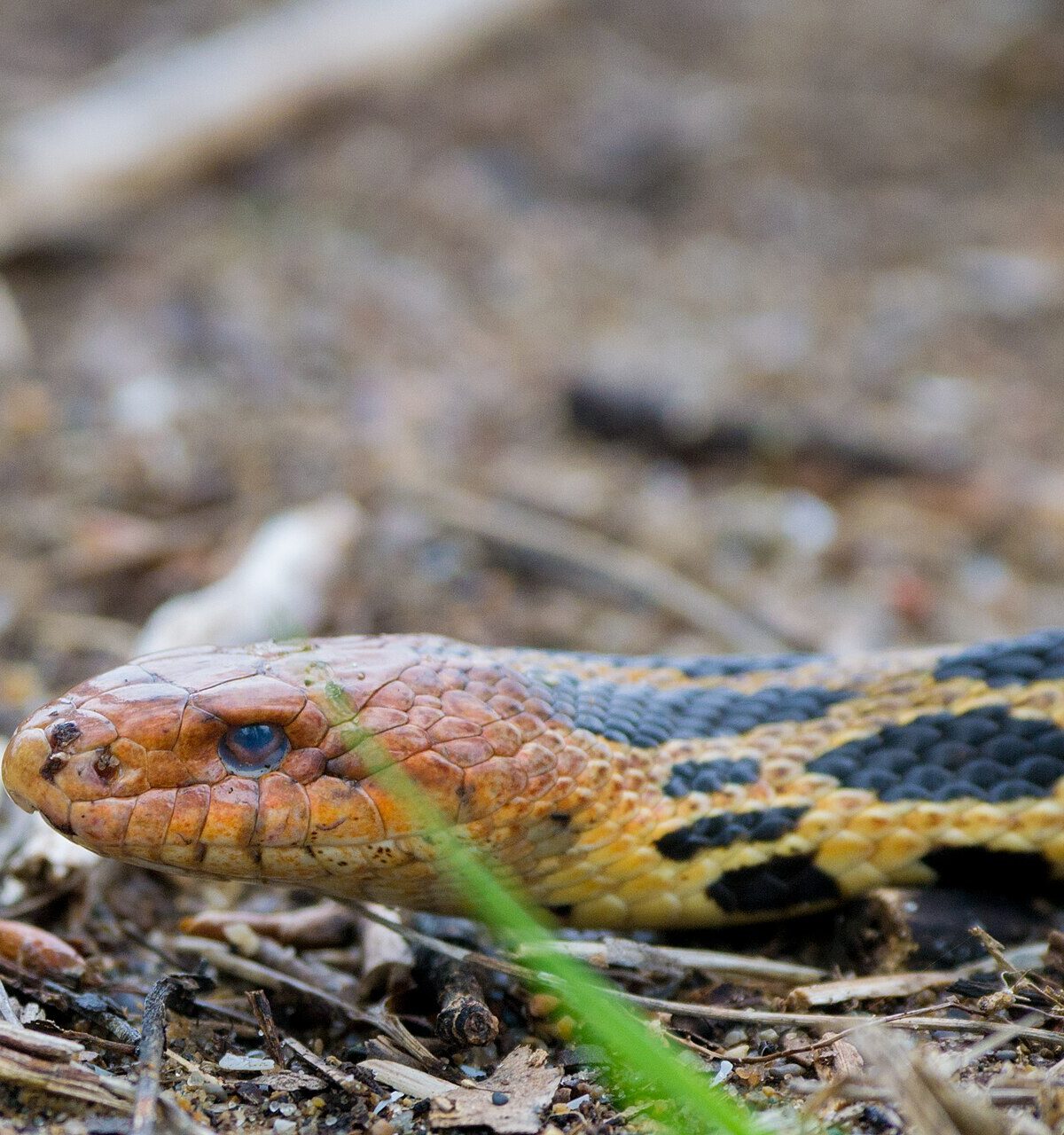
FOX SNAKE
Pantherophis vulpinus
DESCRIPTION
Fox Snake (Pantherophis vulpinus) is commonly known as the Eastern Fox Snake and the Western Fox Snake. This non-venomous snake is characterized by its robust body, which can reach lengths of up to 6 feet, and its distinctive coloration, featuring a pattern of yellow or tan with dark brown or black blotches. Fox Snakes are primarily terrestrial and are known for their ability to mimic the behavior of rattlesnakes when threatened, often coiling and vibrating their tails to create a rattling sound.
FUN FACTS
- Fox Snakes are excellent climbers and can often be found in trees or shrubs, which is unusual for many snake species
- They play a crucial role in their ecosystem by controlling rodent populations, making them beneficial for agricultural areas.|Despite their name, Fox Snakes are not related to foxes; the name comes from their fox-like coloration and their ability to emit a musky odor when threatened, similar to a fox's defense mechanism
QUICK INFO
Lifespan10-15 years in the wild, up to 20 in captivity
Average Weight1-2 kg
Average Length1.5-1.8 m
Diet TypeCarnivore
Social Structuresolitary, typically found alone except during mating season
Activity PatternDiurnal
Breeding SeasonSpring (April-June)
- Habitat
- Fox Snakes inhabit a variety of environments, including grasslands, wetlands, and agricultural areas. They prefer areas with ample cover, such as dense vegetation or rocky outcrops, which provide shelter and hunting opportunities.
- Biomes
- Grassland, Wetland, Agricultural
- Native Range
- Fox Snakes are native to the central and eastern United States, particularly in the Great Lakes region.
- Continent
- North America
- Countries
- United States
- Diet
- Fox Snakes primarily feed on small mammals, birds, and their eggs. They are constrictors, subduing their prey by wrapping around it and suffocating it before consumption.
- Diet Type
- Carnivore
- Favorite Food
- mice, birds
- Social Structure
- solitary, typically found alone except during mating season
- Activity Pattern
- Diurnal
- Group Size
- 1
- Territorial
- 0
 VU
VU
 LC
LC
1-2 kg
Weight
1.5-1.8 m
Length
- Coloration
- yellow or tan with dark brown or black blotches
- Sexual Dimorphism
- males are generally smaller than females
- Lifespan
- 10-15 years in the wild, up to 20 in captivity
- Offspring per Birth
- 10-20
- Sexual Maturity
- 2-3 years
- Breeding Season
- Spring (April-June)
LC
Least Concern
IUCN Red List Status
- Population Status
- The population of Fox Snakes is currently stable, but they face habitat loss in some areas.
- Wild Population Estimate
- unknown
- Population Trend
- Stable
- Endangered
- 0
- Threats
- Main threats to Fox Snakes include habitat destruction due to agriculture and urban development. Additionally, they are sometimes killed by humans who mistake them for venomous snakes.
- Predators
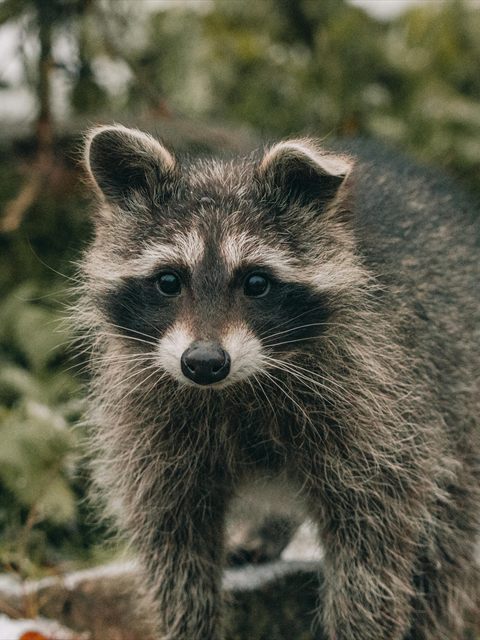
- birds of prey, raccoons, larger snakes
- Defense Mechanisms
- Fox Snakes will mimic rattlesnakes by coiling and vibrating their tails to deter predators.
- Found in Zoos
- Uncommon