



FRINGE-EARED ORYX
Oryx beisa
DESCRIPTION
The Fringe-eared Oryx (Oryx beisa) is a large antelope known for its long, straight horns and distinctive fringe of hair on its ears. It is well adapted to arid environments and is capable of surviving without water for long periods.
FUN FACTS
- Fringe-eared Oryx can survive without drinking water for long periods | They are known for their impressive speed and agility | Their horns can reach lengths of up to 1 meter
QUICK INFO
Lifespan15-20 years in the wild, up to 25 in captivity
Average Weight70-100 kg
Average Length1.5-2.0 m
Diet TypeHerbivore
Social Structuregroup — typically found in small herds of 5-20 individuals
Activity PatternDiurnal
Breeding SeasonYear-round, with peaks depending on local conditions
- Habitat
- This species inhabits dry savannas and semi-desert regions. They are often found in areas with sparse vegetation and access to occasional water sources.
- Biomes
- Savanna, Desert
- Native Range
- The Fringe-eared Oryx is native to the arid regions of East Africa.
- Continent
- Africa
- Countries
- Kenya, Tanzania
- Diet
- Fringe-eared Oryx primarily feeds on grasses, leaves, and shoots. They are adapted to browse on sparse vegetation in their desert habitats.
- Diet Type
- Herbivore
- Favorite Food
- grasses, leaves
- Social Structure
- group — typically found in small herds of 5-20 individuals
- Activity Pattern
- Diurnal
- Group Size
- 5-20
- Territorial
- 1
 LC
LC
 LC
LC
 VU
VU
70-100 kg
Weight
1.5-2.0 m
Length
1.0 m at shoulder
Height (Shoulder)
- Coloration
- Light tan to grayish body with white markings on the face and legs
- Sexual Dimorphism
- Males are larger with longer horns than females
- Lifespan
- 15-20 years in the wild, up to 25 in captivity
- Gestation Period
- 240 days
- Offspring per Birth
- 1
- Sexual Maturity
- 2-3 years
- Breeding Season
- Year-round, with peaks depending on local conditions
LC
Least Concern
IUCN Red List Status
- Population Status
- The population is currently stable but faces threats from habitat loss.
- Wild Population Estimate
- 10,000-15,000
- Population Trend
- Stable
- Endangered
- 0
- Threats
- Main threats include habitat loss due to agriculture and hunting. Competition with livestock also poses a significant risk.
- Predators
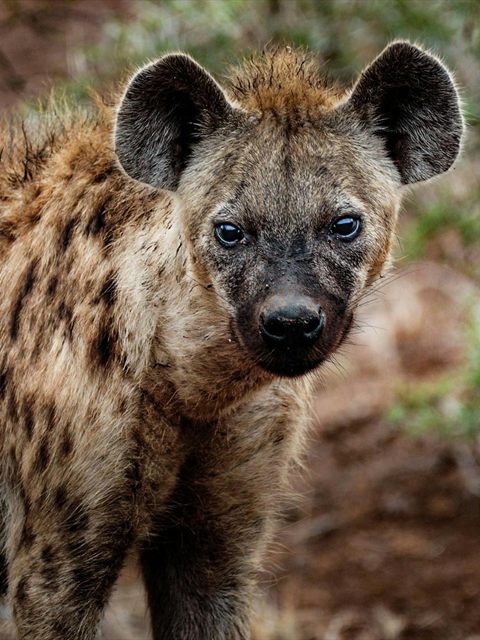
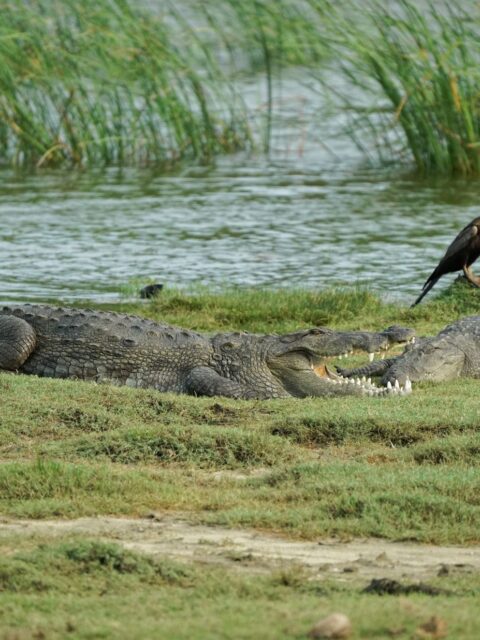
- Lions, hyenas, and crocodiles
- Defense Mechanisms
- They use their speed and agility to escape predators, and males can defend themselves with their sharp horns.
- Compatible Animals
- none
- Found in Zoos
- Uncommon