


FULMAR
Fulmarus glacialis
DESCRIPTION
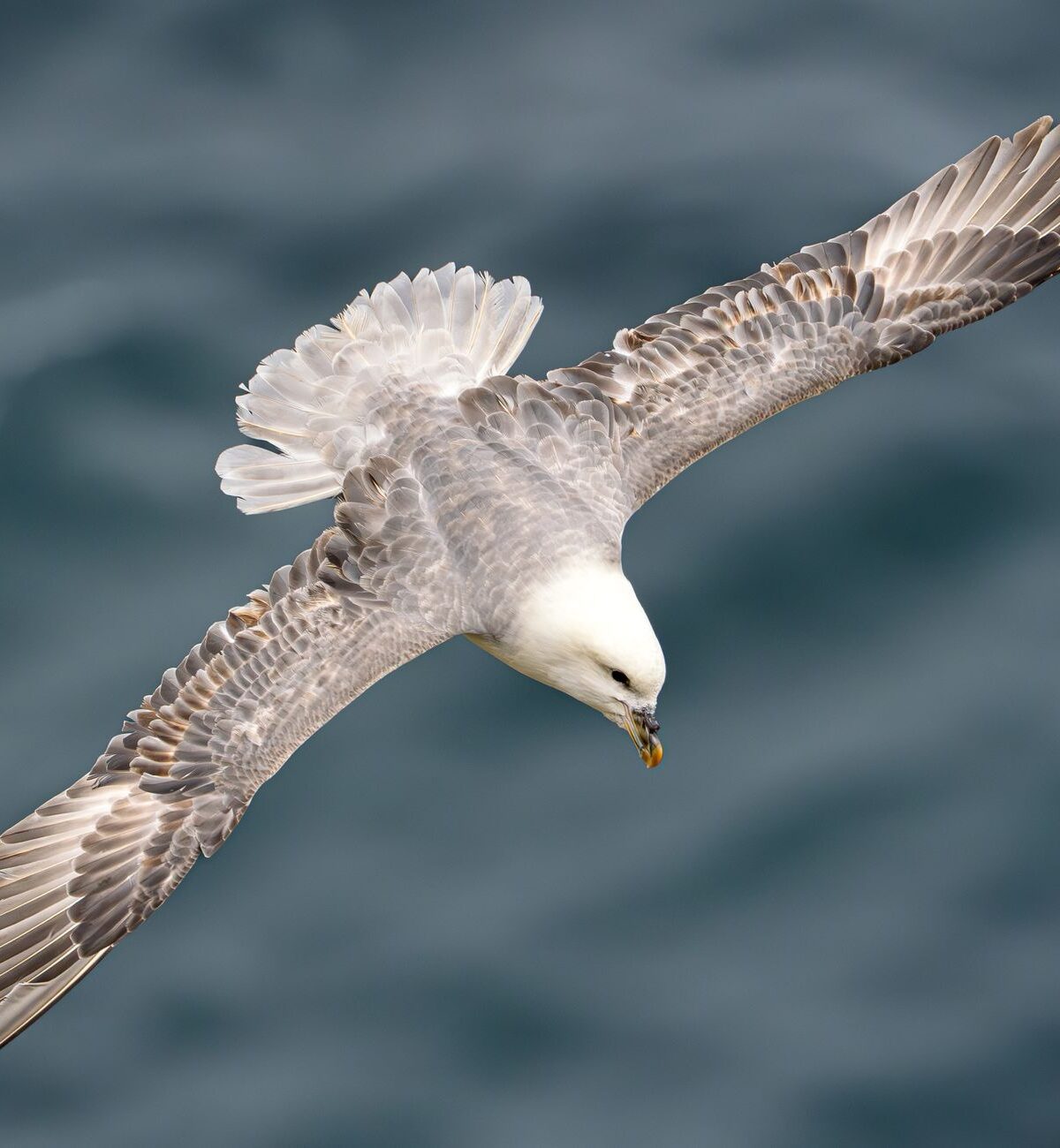
Fulmar (Fulmarus glacialis) is commonly known as the Northern Fulmar. This seabird is characterized by its stout body, short neck, and a distinctive hooked bill. It has a wingspan of about 100-110 cm and exhibits a range of plumage from pure white to shades of gray, with a pale yellowish bill that has a prominent tubercle on the upper mandible. Fulmars are known for their dynamic flight patterns, often gliding effortlessly over the ocean surface, and they are highly adapted to life in marine environments, feeding primarily on fish and squid.
FUN FACTS
- Fulmars are known for their remarkable ability to fly long distances without flapping their wings, using dynamic soaring techniques to take advantage of wind currents
- They can travel thousands of kilometers across the ocean in search of food, making them one of the most efficient flyers among seabirds
- | Interestingly, Fulmars have a unique adaptation that allows them to drink seawater; they possess specialized glands that filter out salt, enabling them to thrive in their marine environment without needing fresh water
QUICK INFO
Lifespan30-40 years in the wild
Average Weight0.7-1.0 kg
Average Length46-51 cm
Diet TypeOmnivore
Social Structurepair, they often nest in colonies but are also known to be solitary when foraging.
Activity PatternDiurnal
Breeding SeasonSpring to early summer (April to August)
- Habitat
- Fulmars are typically found in cold, coastal marine environments, often nesting on cliffs and rocky shores. They prefer areas with abundant food sources, such as upwelling zones where nutrients are plentiful.
- Biomes
- Marine, Coastal
- Native Range
- Fulmars are found in the North Atlantic and North Pacific Oceans, breeding on islands and coastal cliffs in these regions.
- Continent
- North America, Europe, Asia
- Countries
- Iceland, Norway, Canada, United Kingdom, Greenland, Russia
- Diet
- Fulmars primarily feed on fish, squid, and various marine invertebrates, often scavenging from the surface of the ocean. They are also known to consume carrion and refuse, which can include discarded fishery bycatch.
- Diet Type
- Omnivore
- Favorite Food
- fish and squid
- Social Structure
- pair, they often nest in colonies but are also known to be solitary when foraging.
- Activity Pattern
- Diurnal
- Group Size
- 5-50
- Territorial
- 0
 LC
LC
 LC
LC
0.7-1.0 kg
Weight
46-51 cm
Length
- Coloration
- mostly white with gray wings and back
- Sexual Dimorphism
- males and females are similar in appearance
- Lifespan
- 30-40 years in the wild
- Offspring per Birth
- 1
- Sexual Maturity
- 4-5 years
- Breeding Season
- Spring to early summer (April to August)
LC
Least Concern
IUCN Red List Status
- Population Status
- The Fulmar population is currently stable, with large breeding colonies in several regions.
- Wild Population Estimate
- 1,000,000-2,000,000
- Population Trend
- Stable
- Endangered
- 0
- Threats
- Main threats to Fulmars include climate change, which affects their food supply, and plastic pollution, as they often ingest plastic debris mistaking it for food. Additionally, they face threats from oil spills and fishing activities.
- Predators
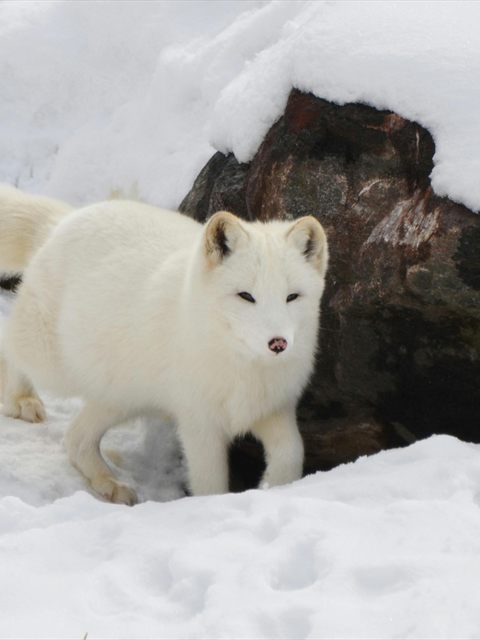
- Great Skua, Arctic Fox, various gull species, and human activities can pose threats to their eggs and chicks.
- Defense Mechanisms
- Fulmars can regurgitate a foul-smelling oil to deter predators, which can be quite effective in protecting their young.
- Found in Zoos
- Rare