


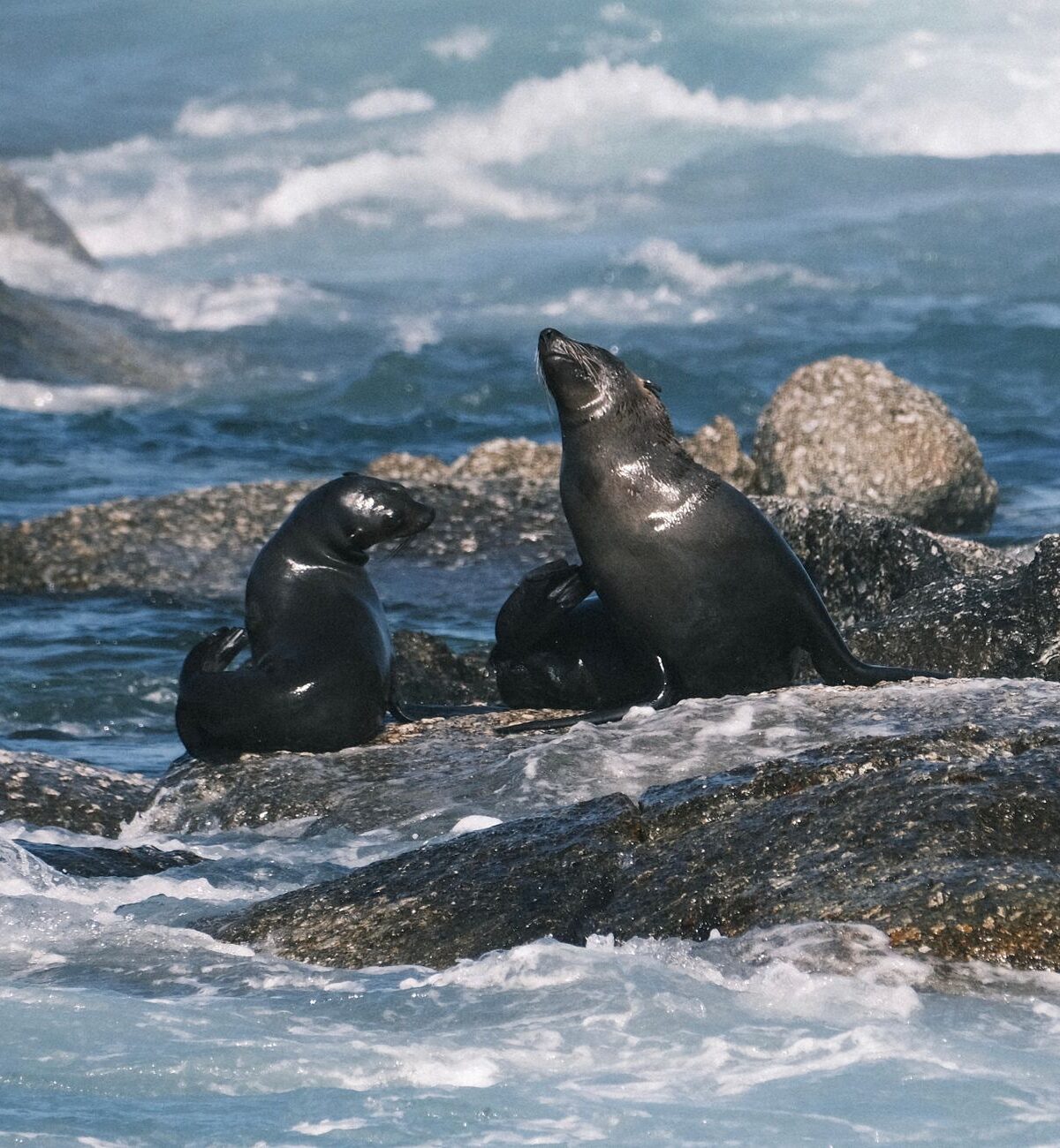
FUR SEAL
DESCRIPTION
Fur Seal is commonly known as the California Sea Lion and the South American Sea Lion. These pinnipeds are characterized by their external ear flaps and long front flippers, which they use for agile swimming. They are social animals often found in large colonies on rocky shores and beaches, where they engage in vocalizations and social interactions.
FUN FACTS
- Fur Seals are known for their intelligence and can be trained to perform various tricks in captivity
- They have excellent underwater vision and can dive to depths of over 200 meters in search of food.|Fur Seals can hold their breath for up to 20 minutes while diving, allowing them to hunt effectively in deep waters
- Their whiskers are highly sensitive and help them detect movements of prey in the water
QUICK INFO
Lifespan15-20 years in the wild, up to 30 in captivity
Average Weight50-300 kg
Average Length1.5-2.5 m
Diet TypeCarnivore
Social Structuregroup — they are social animals that often gather in large colonies during breeding season.
Activity PatternDiurnal
Breeding SeasonSpring to early summer
- Habitat
- Fur Seals inhabit coastal areas, often preferring rocky shores and sandy beaches for breeding and resting. They are also found in open ocean waters where they hunt for food.
- Biomes
- Marine, Coastal
- Native Range
- Fur Seals are found along the coasts of the North Pacific Ocean, particularly in areas from California to Alaska and down to South America.
- Continent
- North America, South America
- Countries
- United States, Canada, Mexico, Chile, Peru
- Diet
- Fur Seals primarily feed on fish, squid, and crustaceans. They are skilled hunters, using their whiskers to detect prey in the water.
- Diet Type
- Carnivore
- Favorite Food
- fish, squid
- Social Structure
- group — they are social animals that often gather in large colonies during breeding season.
- Activity Pattern
- Diurnal
- Group Size
- 10-100
- Territorial
- 1
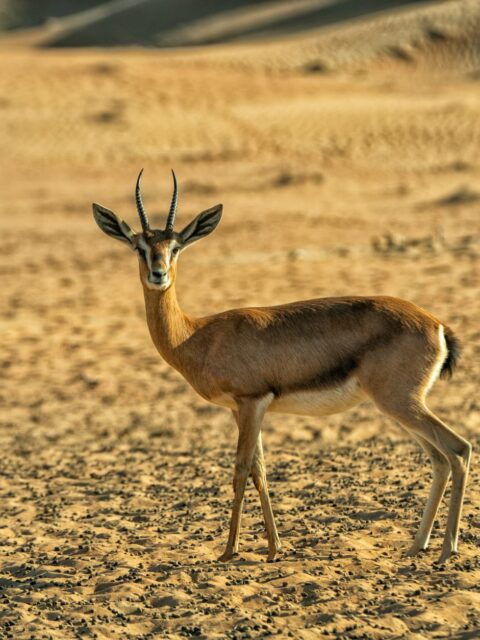 VU
VU
50-300 kg
Weight
1.5-2.5 m
Length
- Coloration
- They have a thick layer of fur that can range from light brown to dark brown, with lighter underbellies.
- Sexual Dimorphism
- Males are significantly larger than females, with a more pronounced mane.
- Lifespan
- 15-20 years in the wild, up to 30 in captivity
- Gestation Period
- 11 months
- Offspring per Birth
- 1
- Sexual Maturity
- 3-4 years
- Breeding Season
- Spring to early summer
LC
Least Concern
IUCN Red List Status
- Population Status
- The population of Fur Seals is currently stable, with some species showing signs of recovery.
- Wild Population Estimate
- 200,000-300,000
- Population Trend
- Increasing
- Endangered
- 0
- Threats
- Main threats include habitat loss, entanglement in fishing gear, and competition for food resources. Climate change also poses a risk to their food supply.
- Predators
- Great white sharks, orcas, and large predatory fish.
- Defense Mechanisms
- Fur Seals use their agility in water to evade predators and can also use vocalizations to warn others of danger.
- Compatible Animals
- none
- Found in Zoos
- Common