


GADWALL
Mareca strepera
DESCRIPTION
The Gadwall (Mareca strepera) is a medium-sized dabbling duck known for its subtle plumage and distinctive gray-brown coloration. It is often found in wetlands and is recognized for its quiet demeanor compared to other ducks.
FUN FACTS
- Gadwalls are known for their unique courtship displays | They are one of the few duck species that can dive for food | Gadwalls have a distinctive, soft quack that is less pronounced than other ducks
QUICK INFO
Lifespan10-15 years in the wild
Average Weight0.7-1.2 kg
Average Length50-60 cm
Diet TypeHerbivore
Social Structurepair, often seen in small groups during migration
Activity PatternDiurnal
Breeding SeasonSpring (March-May)
- Habitat
- Gadwalls inhabit freshwater marshes, ponds, and lakes, often favoring areas with dense vegetation. They require shallow waters for foraging and nesting.
- Biomes
- Wetlands, Temperate Forest
- Native Range
- Gadwalls are found across North America, Europe, and parts of Asia, migrating seasonally between breeding and wintering grounds.
- Continent
- North America, Europe, Asia
- Countries
- United States, Canada, Mexico, various European countries, parts of Asia
- Diet
- Gadwalls primarily feed on aquatic plants, seeds, and invertebrates. They forage by tipping forward in the water to reach food below the surface.
- Diet Type
- Herbivore
- Favorite Food
- aquatic plants, seeds
- Social Structure
- pair, often seen in small groups during migration
- Activity Pattern
- Diurnal
- Group Size
- 2-10
- Territorial
- 0

 LC
LC
 VU
VU
0.7-1.2 kg
Weight
50-60 cm
Length
- Coloration
- mottled gray-brown with a distinctive white wing patch
- Sexual Dimorphism
- males have a more pronounced coloration with a black rear and white wing patch, while females are more mottled.
- Lifespan
- 10-15 years in the wild
- Offspring per Birth
- 6-12
- Sexual Maturity
- 1 year
- Breeding Season
- Spring (March-May)
LC
Least Concern
IUCN Red List Status
- Population Status
- The Gadwall population is currently stable, with some regions experiencing increases.
- Wild Population Estimate
- 1,000,000-1,500,000
- Population Trend
- Stable
- Endangered
- 0
- Threats
- Main threats include habitat loss due to wetland drainage and pollution. Climate change also poses a risk to their breeding habitats.
- Predators
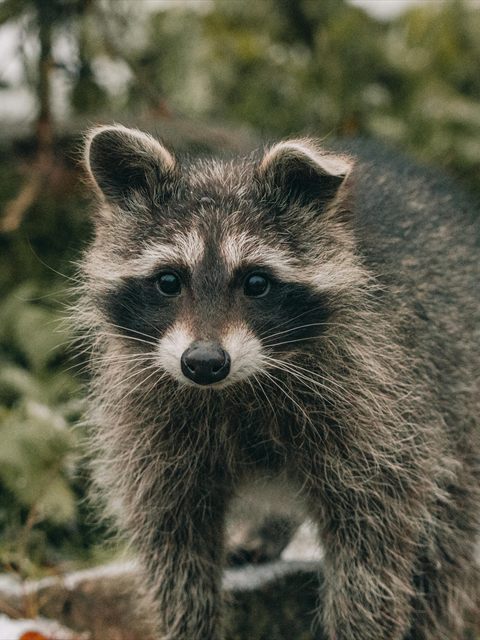
- foxes, raccoons, birds of prey
- Defense Mechanisms
- Gadwalls rely on their ability to blend into their surroundings and often take flight to escape predators.
- Compatible Animals
- other dabbling ducks, geese
- Found in Zoos
- Uncommon