


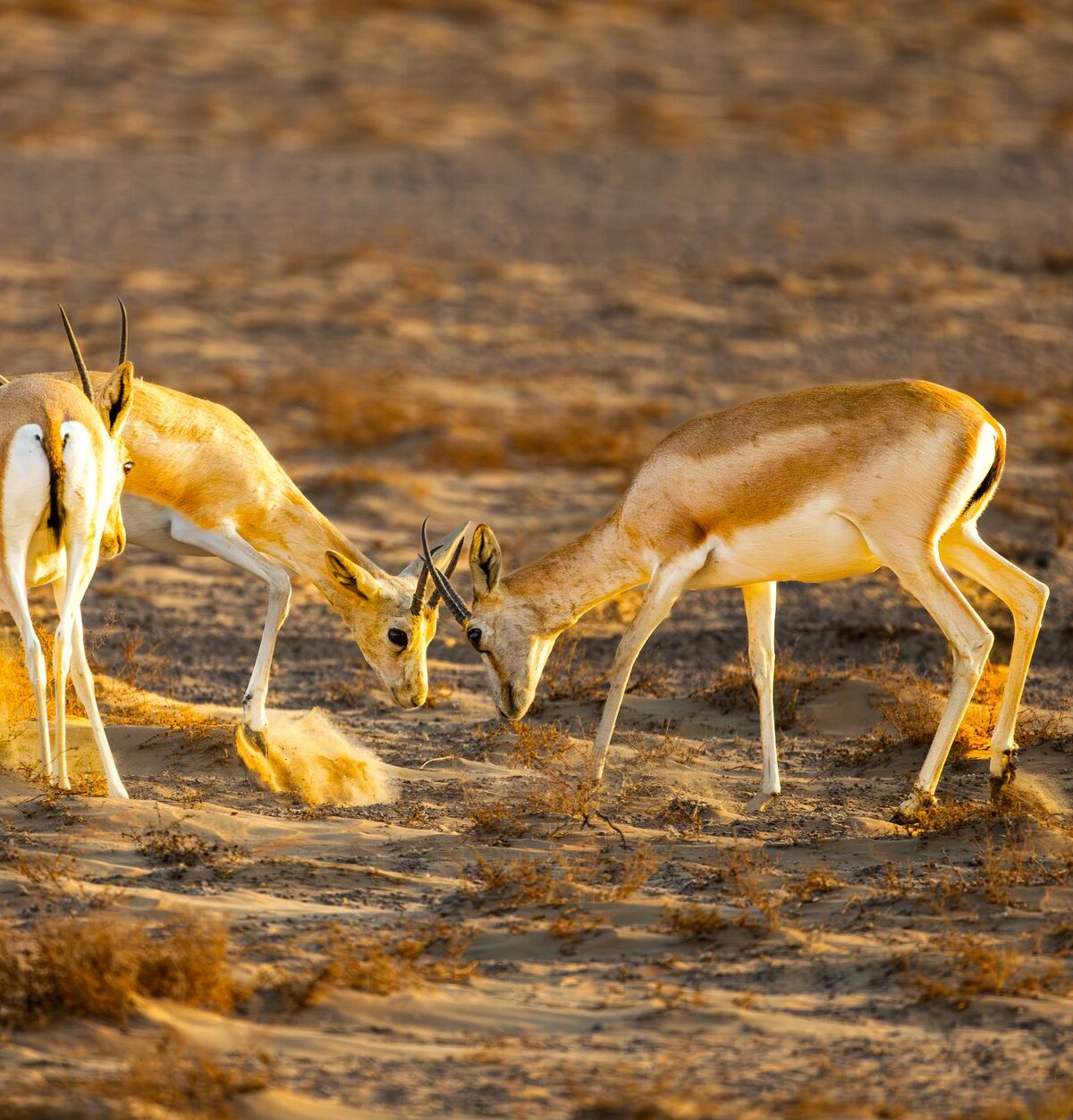
GAZELLE
DESCRIPTION
Gazelle is commonly known as the Springbok and Thomson's Gazelle, among others. These graceful animals are characterized by their slender bodies, long legs, and distinctive curved horns in males. Gazelles are known for their incredible speed and agility, which they use to evade predators in their natural habitats, primarily open grasslands and savannas.
FUN FACTS
- Gazelles are known for their incredible speed, capable of reaching up to 60 km/h (37 mph) in short bursts
- This speed is crucial for escaping predators in the wild
- | The Springbok, a type of gazelle, is famous for its unique behavior called 'pronking,' where it leaps high into the air in a series of bounds, which is thought to confuse predators and display fitness
QUICK INFO
Lifespan10-12 years in the wild, up to 15 years in captivi
Average Weight30-90 kg
Average Length1.2-1.8 m
Diet TypeHerbivore
Social Structuregroup — they often live in herds that can vary in size depending on the species and environmental conditions.
Activity PatternDiurnal
Breeding SeasonYear-round, with peaks depending on the species and region
- Habitat
- Gazelles inhabit open grasslands, savannas, and sometimes arid regions. They prefer areas with plenty of vegetation for grazing and access to water sources.
- Biomes
- Savanna, Grassland
- Native Range
- Gazelles are native to Africa and parts of Asia, with different species found in various regions across these continents.
- Continent
- Africa, Asia
- Countries
- South Africa, Namibia, Kenya, Tanzania, Botswana
- Diet
- Gazelles are herbivores, primarily grazing on grasses, leaves, and shoots. They are known to be selective feeders, often choosing the most nutritious parts of plants.
- Diet Type
- Herbivore
- Favorite Food
- grasses, leaves, shoots
- Social Structure
- group — they often live in herds that can vary in size depending on the species and environmental conditions.
- Activity Pattern
- Diurnal
- Group Size
- 10-50
- Territorial
- 0
 LC
LC
 VU
VU
 VU
VU
 LC
LC
 EN
EN
30-90 kg
Weight
1.2-1.8 m
Length
0.8-1.2 m at shoulder
Height (Shoulder)
- Coloration
- Gazelles typically have a light tan or brown coat with white underbellies and distinctive markings on their faces and legs.
- Sexual Dimorphism
- Males are generally larger and have longer horns than females.
- Lifespan
- 10-12 years in the wild, up to 15 years in captivi
- Gestation Period
- 180 days
- Offspring per Birth
- 1
- Sexual Maturity
- 1-2 years
- Breeding Season
- Year-round, with peaks depending on the species and region
VU
Vulnerable
IUCN Red List Status
- Population Status
- Some species of gazelles are abundant, while others are threatened due to habitat loss and hunting.
- Wild Population Estimate
- 50,000-100,000
- Population Trend
- Decreasing
- Endangered
- 1
- Threats
- Main threats include habitat loss due to agriculture and urban development, as well as poaching for meat and trophies. Climate change also poses a risk to their habitats.
- Predators
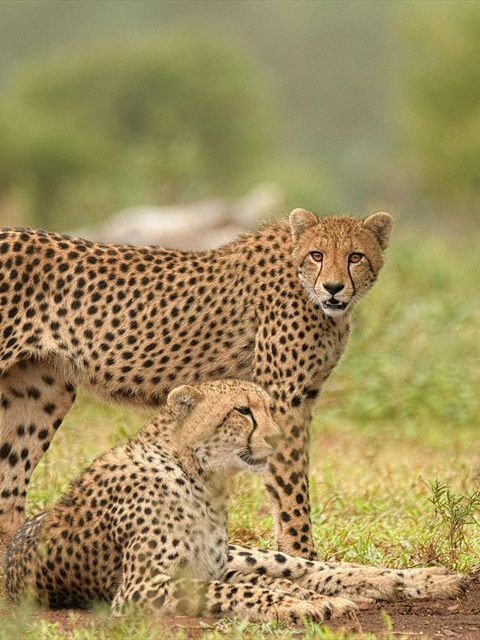
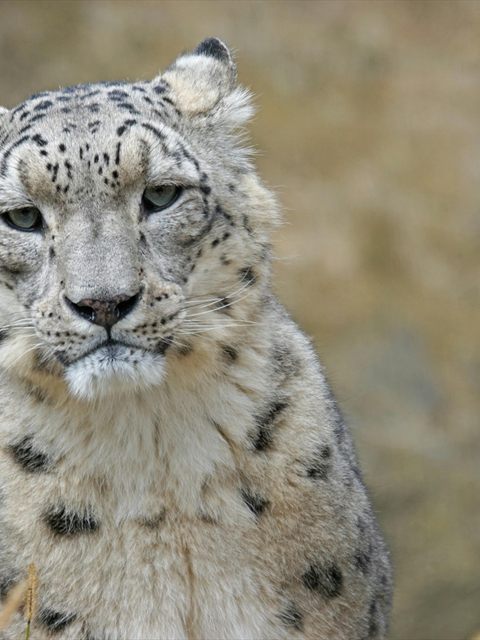
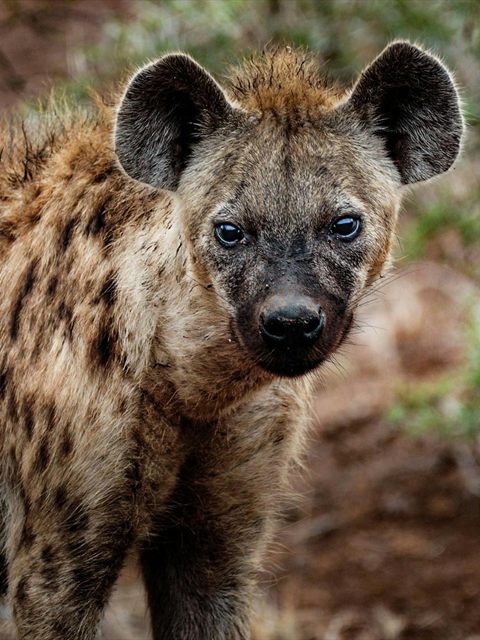
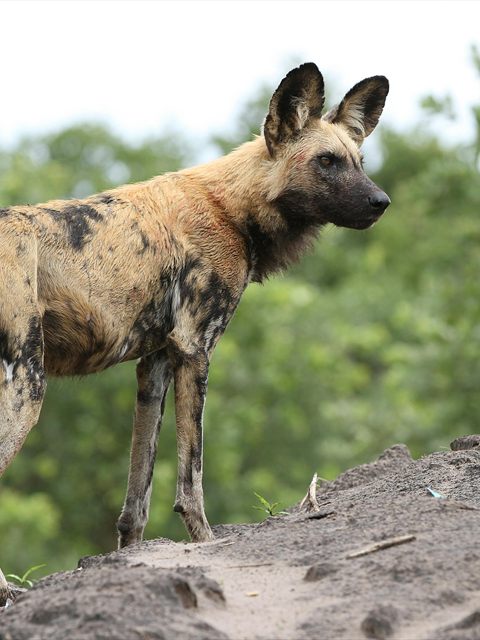
- Lions, cheetahs, leopards, hyenas, wild dogs
- Defense Mechanisms
- Gazelles use their speed and agility to escape predators, often employing a unique bounding leap known as stotting to confuse them.
- Compatible Animals
- Zebras, antelopes, ostriches
- Found in Zoos
- Common