



GENET
DESCRIPTION
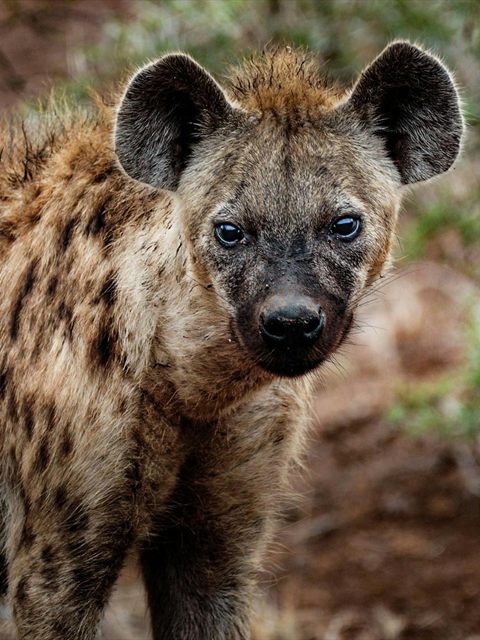
Genets are small, agile mammals resembling a cross between a cat and a mongoose. They have elongated bodies, short legs, and long tails, which aid in balance as they navigate through trees and dense underbrush. Their fur is typically spotted or striped, providing excellent camouflage in their natural habitats.
FUN FACTS
- Genets are often mistaken for cats due to their appearance, but they belong to a different family altogether
- They are also known for their unique vocalizations, which include a range of sounds from growls to chirps, used for communication with each other
- | Despite their small size, genets are skilled hunters and can take down prey much larger than themselves, showcasing their agility and hunting prowess
- They have retractable claws, similar to cats, which help them climb and catch prey effectively
QUICK INFO
Lifespan10-12 years in the wild, up to 15 years in captivi
Average Weight1.5-3.5 kg
Average Length50-80 cm
Diet TypeCarnivore
Social Structuresolitary, typically living alone except during mating season or when a mother is raising her young
Activity PatternNocturnal
Breeding SeasonYear-round, with peaks depending on the region
- Habitat
- Genets inhabit a variety of environments, including forests, savannas, and scrublands. They are often found in areas with dense vegetation that provides cover and hunting opportunities.
- Biomes
- Tropical Rainforest, Savanna, Temperate Forest
- Native Range
- Genets are native to Africa, with some species found in parts of Europe and the Middle East.
- Continent
- Africa, Europe
- Countries
- South Africa, Kenya, Tanzania, Morocco, France
- Diet
- Genets are primarily carnivorous, feeding on small mammals, birds, and insects. They are also known to consume fruits and other plant materials occasionally.
- Diet Type
- Carnivore
- Favorite Food
- small mammals, birds, insects
- Social Structure
- solitary, typically living alone except during mating season or when a mother is raising her young
- Activity Pattern
- Nocturnal
- Group Size
- 1
- Territorial
- 1
 VU
VU
 LC
LC
 LC
LC
1.5-3.5 kg
Weight
50-80 cm
Length
- Coloration
- spotted or striped fur, usually a mix of yellowish-brown and black
- Sexual Dimorphism
- males are generally larger than females
- Lifespan
- 10-12 years in the wild, up to 15 years in captivi
- Gestation Period
- 75-80 days
- Offspring per Birth
- 2-4
- Sexual Maturity
- 1-2 years
- Breeding Season
- Year-round, with peaks depending on the region
LC
Least Concern
IUCN Red List Status
- Population Status
- Genet populations are generally stable, but some species face habitat loss and hunting pressures.
- Wild Population Estimate
- unknown
- Population Trend
- Stable
- Endangered
- 0
- Threats
- Main threats include habitat destruction due to agriculture and urbanization, as well as hunting for their pelts. In some areas, they are also affected by road traffic.
- Predators
- large birds of prey, snakes, and larger carnivores such as leopards and hyenas
- Defense Mechanisms
- Genets can climb trees quickly to escape predators and use their agility to evade capture.
- Found in Zoos
- Uncommon