


GEOFFROY'S CAT
Leopardus geoffroyi
DESCRIPTION
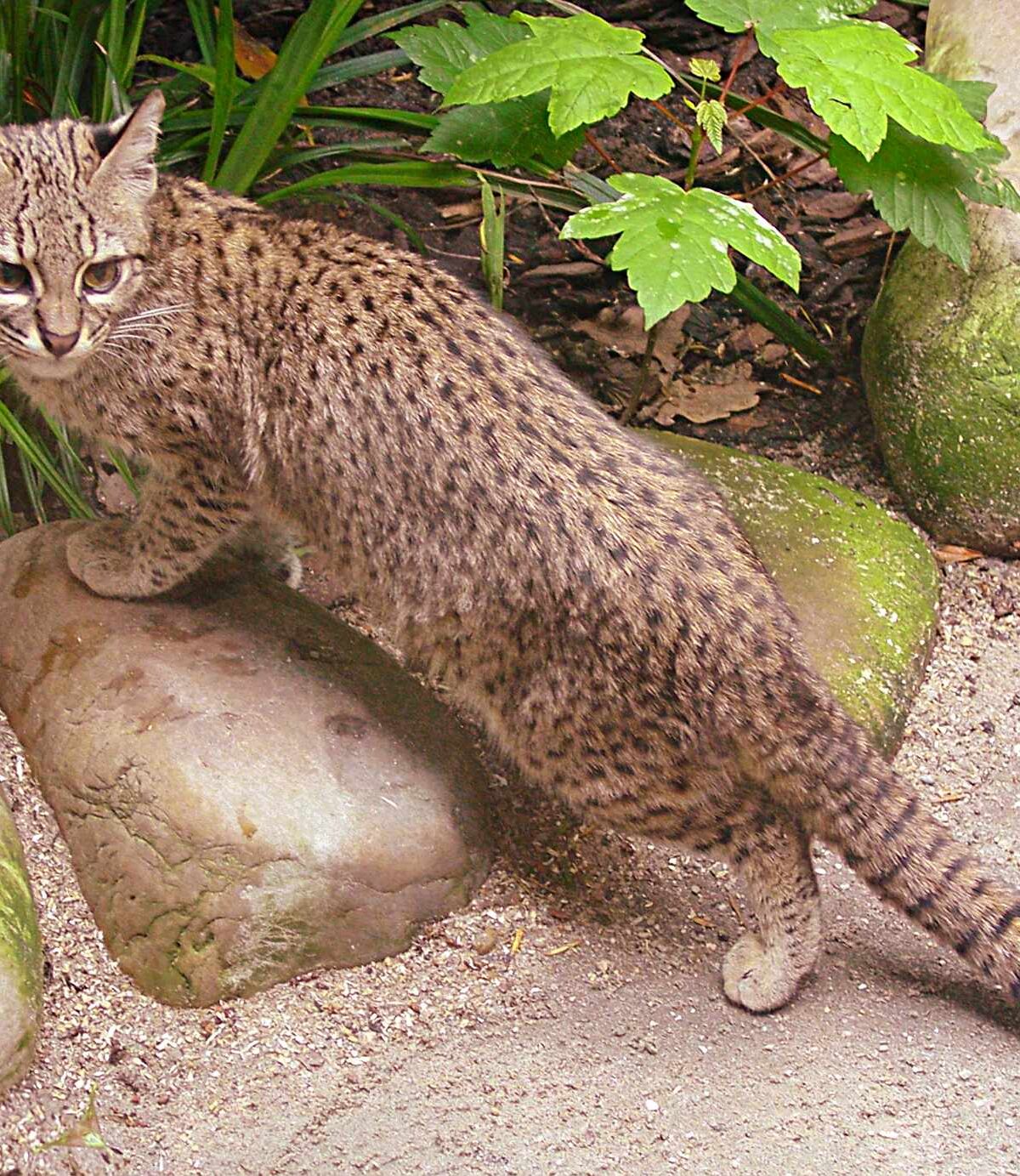
Geoffroy's Cat (Leopardus geoffroyi) is a small wild cat native to South America, characterized by its distinctive coat that features a mix of gray and yellowish fur with dark spots and stripes. This species is known for its adaptability to various habitats, including grasslands, forests, and scrublands, where it exhibits a solitary and elusive behavior. Geoffroy's Cat is primarily nocturnal, using its keen senses to hunt small mammals, birds, and reptiles in its environment.
FUN FACTS
- Geoffroy's Cat is one of the smallest wild cats in South America, making it a fascinating subject for wildlife enthusiasts
- Its unique coat pattern not only provides camouflage in its natural habitat but also makes it a popular choice for wildlife photography.|Despite its small size, Geoffroy's Cat is an adept hunter, capable of taking down prey much larger than itself, showcasing its impressive agility and hunting skills
QUICK INFO
Lifespan10-15 years in the wild, up to 20 years in captivi
Average Weight3-5 kg
Average Length50-80 cm
Diet TypeCarnivore
Social Structuresolitary, with individuals maintaining their own territories
Activity PatternNocturnal
Breeding SeasonYear-round, with peaks in spring and summer
- Habitat
- Geoffroy's Cat inhabits a range of environments, including grasslands, forests, and scrublands, often favoring areas with dense vegetation for cover. This adaptability allows it to thrive in various ecological settings across its range.
- Biomes
- Temperate Forest, Grassland, Scrubland
- Native Range
- Geoffroy's Cat is found in a variety of regions across South America, particularly in Argentina, Bolivia, Brazil, Chile, Paraguay, and Uruguay.
- Continent
- South America
- Countries
- Argentina, Bolivia, Brazil, Chile, Paraguay, Uruguay
- Diet
- Geoffroy's Cat primarily preys on small mammals, birds, and reptiles, showcasing its hunting skills in diverse habitats.
- Diet Type
- Carnivore
- Favorite Food
- small mammals, birds, reptiles
- Social Structure
- solitary, with individuals maintaining their own territories
- Activity Pattern
- Nocturnal
- Group Size
- 1
- Territorial
- 1
 LC
LC
3-5 kg
Weight
50-80 cm
Length
- Coloration
- grayish-yellow fur with dark spots and stripes
- Sexual Dimorphism
- males are generally larger than females
- Lifespan
- 10-15 years in the wild, up to 20 years in captivi
- Gestation Period
- 70-75 days
- Offspring per Birth
- 1-4
- Sexual Maturity
- 1-2 years
- Breeding Season
- Year-round, with peaks in spring and summer
LC
Least Concern
IUCN Red List Status
- Population Status
- The population of Geoffroy's Cat is currently stable, but habitat loss poses a potential threat.
- Wild Population Estimate
- unknown
- Population Trend
- Stable
- Endangered
- 0
- Threats
- Main threats to Geoffroy's Cat include habitat destruction due to agriculture and urbanization, as well as hunting and poaching. These factors can lead to localized declines in their populations.
- Predators
- larger carnivores such as pumas and domestic dogs, as well as birds of prey
- Defense Mechanisms
- Geoffroy's Cat relies on its agility and stealth to evade predators, often using dense vegetation for cover.
- Found in Zoos
- Uncommon