


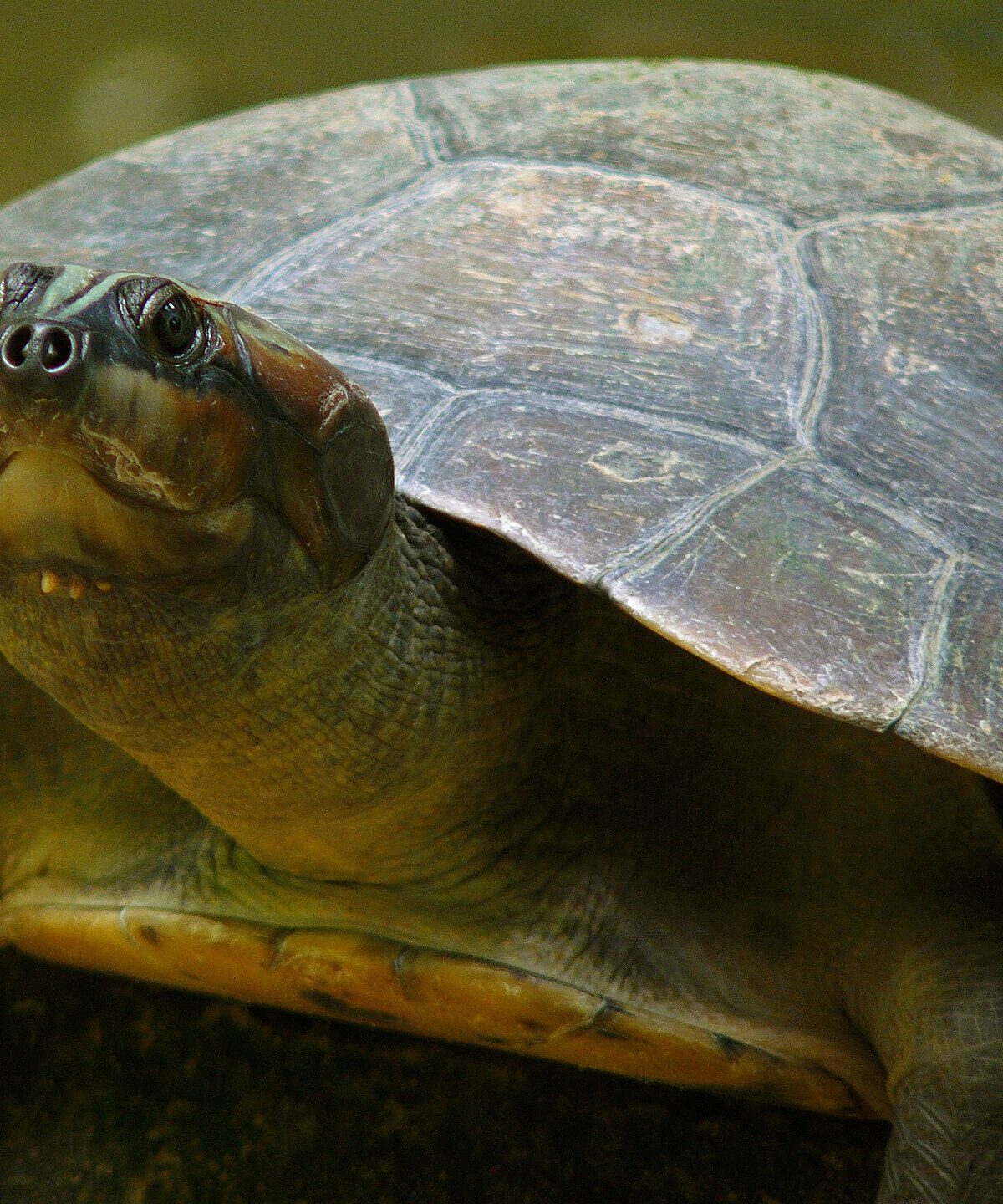
GIANT AMAZON RIVER TURTLE
DESCRIPTION
Giant Amazon River Turtle, also known as the Arrau Turtle, is one of the largest freshwater turtles in the world, capable of reaching lengths of up to 2.5 meters. They have a distinctive, flattened shell that is typically brown or olive in color, which helps them blend into their riverine habitats. These turtles are primarily found in the Amazon River and its tributaries, where they play a crucial role in the ecosystem by aiding in seed dispersal and maintaining aquatic vegetation.
FUN FACTS
- Giant Amazon River Turtles are known for their impressive nesting behavior, where females can lay up to 30 eggs in sandy nests along riverbanks
- These turtles are also vital for their ecosystem, as they help maintain the health of aquatic plants by consuming large quantities of vegetation, which in turn supports other wildlife in their habitat.| Despite their size, these turtles are surprisingly agile in the water and can hold their breath for long periods, allowing them to evade predators and forage for food effectively
QUICK INFO
Lifespanup to 50 years in the wild
Average Weight150-250 kg
Average Length1.8-2.5 m
Diet TypeHerbivore
Social Structuresolitary, occasionally congregate during nesting
Activity PatternDiurnal
Breeding SeasonWet season (November-March)
- Habitat
- Giant Amazon River Turtles inhabit slow-moving rivers, lakes, and floodplains within the Amazon Basin. They prefer areas with abundant vegetation and sandy or muddy substrates for nesting.
- Biomes
- Tropical Rainforest, Freshwater
- Native Range
- They are native to the Amazon River Basin, spanning several countries in South America.
- Continent
- South America
- Countries
- Brazil, Peru, Colombia, Venezuela, Ecuador
- Diet
- They are primarily herbivorous, feeding on a variety of aquatic plants, fruits, and seeds. Their diet can also include some animal matter, particularly during the breeding season.
- Diet Type
- Herbivore
- Favorite Food
- aquatic plants, fruits
- Social Structure
- solitary, occasionally congregate during nesting
- Activity Pattern
- Diurnal
- Group Size
- 1-10
- Territorial
- 0
 LC
LC
 LC
LC
150-250 kg
Weight
1.8-2.5 m
Length
- Coloration
- brown to olive shell with a flattened shape
- Sexual Dimorphism
- males are generally smaller than females
- Lifespan
- up to 50 years in the wild
- Offspring per Birth
- 20-30
- Sexual Maturity
- 5-7 years
- Breeding Season
- Wet season (November-March)
EN
Endangered
IUCN Red List Status
- Population Status
- The population is currently declining due to habitat loss and hunting.
- Wild Population Estimate
- unknown
- Population Trend
- Decreasing
- Endangered
- 1
- Threats
- Main threats include habitat destruction due to deforestation, pollution, and hunting for meat and eggs. These factors have significantly impacted their populations in recent years.
- Conservation Program
- Various local conservation efforts are in place to protect nesting sites and reduce hunting.
- Predators
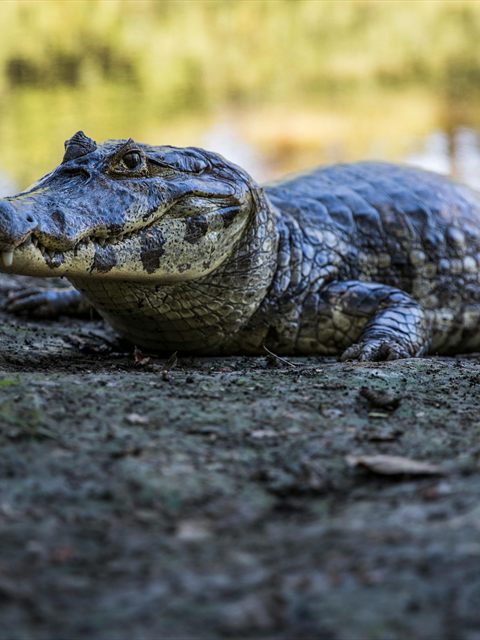
- Caiman, large fish, and humans pose threats to the eggs and young turtles. Adult turtles have few natural predators due to their size.
- Defense Mechanisms
- They can retract into their shells for protection and are also capable swimmers, allowing them to escape threats in the water.
- Found in Zoos
- Uncommon