



GIANT ASIAN POND TURTLE
Heosemys grandis
DESCRIPTION
The Giant Asian Pond Turtle, scientifically known as Heosemys grandis, is a large freshwater turtle characterized by its robust shell and distinctive coloration. Its carapace is typically dark brown to olive green, adorned with yellow or cream markings that can vary significantly among individuals. This species is known for its semi-aquatic lifestyle, often found basking on logs or rocks near water bodies, and it exhibits a calm demeanor, making it a popular choice in the pet trade.
FUN FACTS
- The Giant Asian Pond Turtle is one of the largest freshwater turtles in its range, and its size can be quite impressive, making it a fascinating species for turtle enthusiasts
- Additionally, they have a unique ability to absorb oxygen through their cloaca, allowing them to stay submerged for extended periods while foraging or resting.|These turtles are often mistaken for other species due to their similar appearance, but their distinct markings and size help in identification
- They play a crucial role in their ecosystem by helping to maintain the health of aquatic vegetation and contributing to the overall biodiversity of their habitats
QUICK INFO
Lifespan20-30 years in captivity
Average Weight10-15 kg
Average Length30-50 cm
Diet TypeHerbivore
Social Structuresolitary
Activity PatternDiurnal
Breeding SeasonSpring to early summer
- Habitat
- This turtle inhabits freshwater environments such as ponds, lakes, and slow-moving rivers, often favoring areas with abundant vegetation. They require both aquatic and terrestrial habitats for foraging and basking.
- Biomes
- Freshwater, Wetlands
- Native Range
- Heosemys grandis is native to Southeast Asia, particularly found in countries like Thailand, Malaysia, and Indonesia.
- Continent
- Asia
- Countries
- Thailand, Malaysia, Indonesia
- Diet
- The Giant Asian Pond Turtle primarily feeds on a variety of plant materials, including aquatic vegetation, fruits, and some animal matter. Its diet can vary based on availability and habitat.
- Diet Type
- Herbivore
- Favorite Food
- aquatic plants, fruits
- Social Structure
- solitary
- Activity Pattern
- Diurnal
- Group Size
- 1-5
- Territorial
- 0
 VU
VU
 VU
VU
10-15 kg
Weight
30-50 cm
Length
- Coloration
- dark brown to olive green with yellow or cream markings
- Sexual Dimorphism
- males are generally smaller with a more concave plastron
- Lifespan
- 20-30 years in captivity
- Offspring per Birth
- 3-10
- Sexual Maturity
- 5-7 years
- Breeding Season
- Spring to early summer
EN
Endangered
IUCN Red List Status
- Population Status
- The population of Giant Asian Pond Turtles is declining due to habitat loss and illegal trade.
- Wild Population Estimate
- unknown
- Population Trend
- Decreasing
- Endangered
- 1
- Threats
- Main threats include habitat destruction due to urbanization and agriculture, as well as poaching for the pet trade. These factors have significantly impacted their populations in the wild.
- Predators
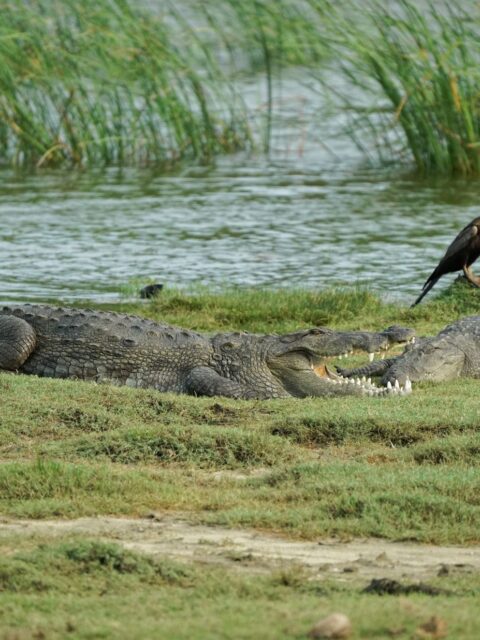
- large birds, crocodiles, and humans
- Defense Mechanisms
- They can retract into their shells for protection against predators.
- Found in Zoos
- Uncommon