


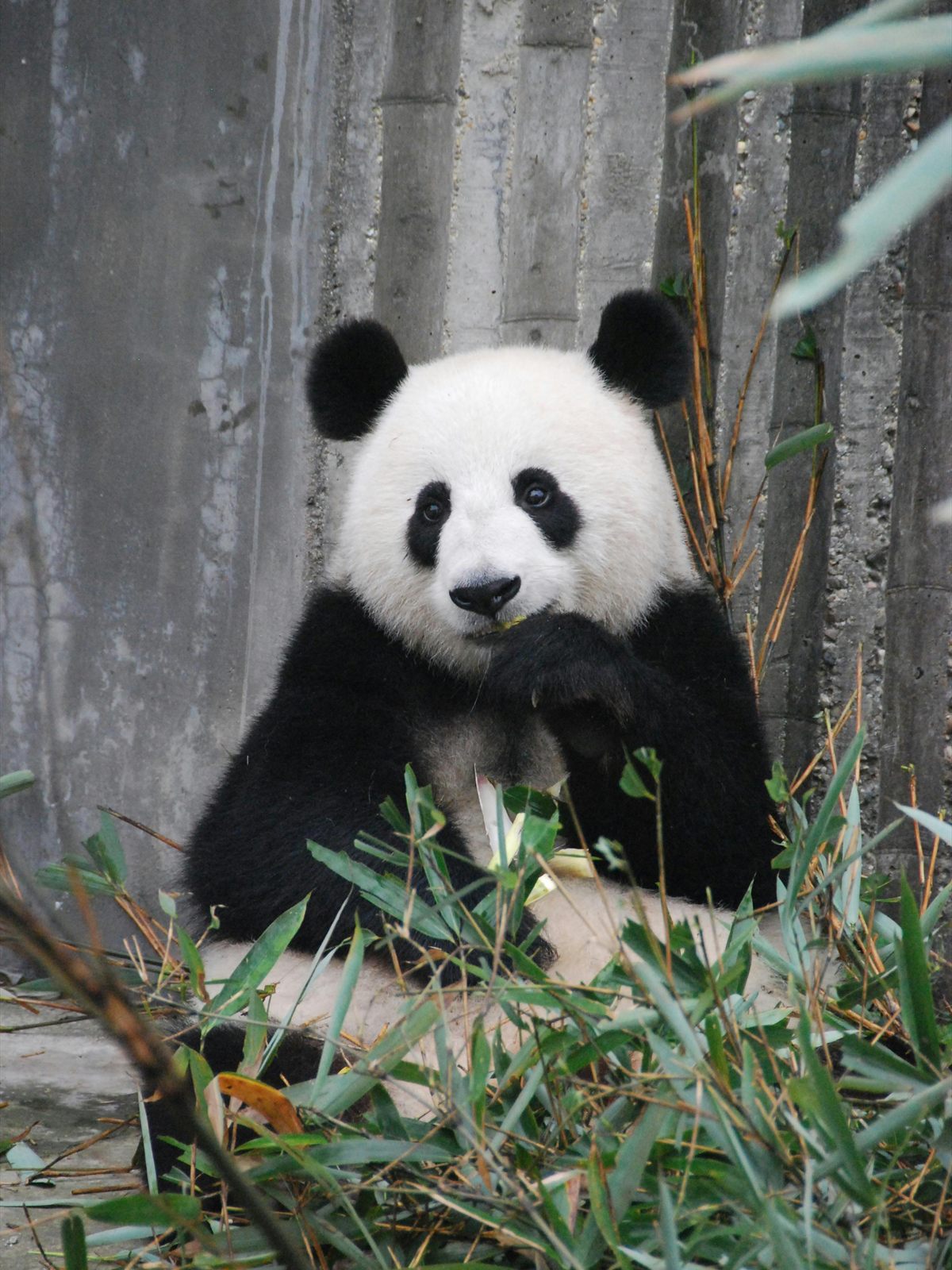
GIANT PANDA
DESCRIPTION
The Giant Panda is a bear species known for its distinctive black and white coloring. They have a robust body, with a large head and strong limbs, adapted for climbing and foraging. Pandas are primarily solitary animals, spending most of their time foraging for food in the bamboo forests of their native habitat.
FUN FACTS
- Giant Pandas have a unique thumb-like extension of their wrist bone that helps them grasp bamboo while eating
- This adaptation allows them to efficiently strip leaves and shoots from the bamboo stalks, which is essential for their survival
- | Despite being classified as carnivores, Giant Pandas have evolved to have a diet that is almost entirely herbivorous, primarily relying on bamboo
- They can consume up to 38 kg of bamboo in a single day to meet their energy needs, showcasing their specialized feeding habits
QUICK INFO
Lifespan20 years in the wild, up to 30 in captivity
Average Weight70-160 kg
Average Length1.2-1.8 m
Diet TypeHerbivore
Social Structuresolitary, with occasional pair interactions during the breeding season
Activity PatternDiurnal
Breeding SeasonSpring (March-May)
- Habitat
- Giant Pandas inhabit mountainous regions with dense bamboo forests. These forests provide both food and shelter, allowing them to thrive in their natural environment.
- Biomes
- Temperate Forest, Mountain
- Native Range
- Giant Pandas are native to the mountain ranges of central China.
- Continent
- Asia
- Countries
- China
- Diet
- Giant Pandas primarily eat bamboo, which makes up about 99% of their diet. They consume large quantities of bamboo daily to meet their nutritional needs.
- Diet Type
- Herbivore
- Favorite Food
- bamboo
- Social Structure
- solitary, with occasional pair interactions during the breeding season
- Activity Pattern
- Diurnal
- Group Size
- 1
- Territorial
- 1
 VU
VU
 LC
LC
70-160 kg
Weight
1.2-1.8 m
Length
1.2 m at shoulder
Height (Shoulder)
- Coloration
- black and white fur, with black patches around the eyes, ears, and limbs
- Sexual Dimorphism
- males are generally larger than females
- Lifespan
- 20 years in the wild, up to 30 in captivity
- Gestation Period
- 95-160 days
- Offspring per Birth
- 1-2
- Sexual Maturity
- 4-6 years
- Breeding Season
- Spring (March-May)
VU
Vulnerable
IUCN Red List Status
- Population Status
- The population of Giant Pandas has been increasing due to conservation efforts, but they remain vulnerable.
- Wild Population Estimate
- 1,864
- Population Trend
- Increasing
- Endangered
- 1
- Threats
- The main threats to Giant Pandas include habitat loss due to deforestation and fragmentation, as well as climate change affecting bamboo availability. Poaching has historically been a threat, but is now less common due to increased protections.
- Conservation Program
- Giant Panda National Park and various breeding programs in captivity
- Predators
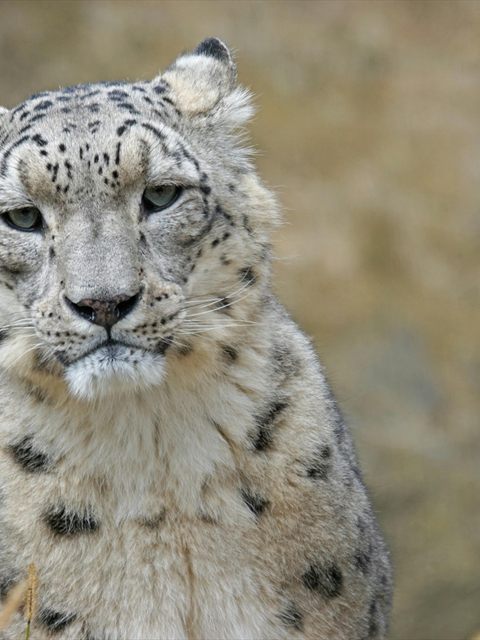
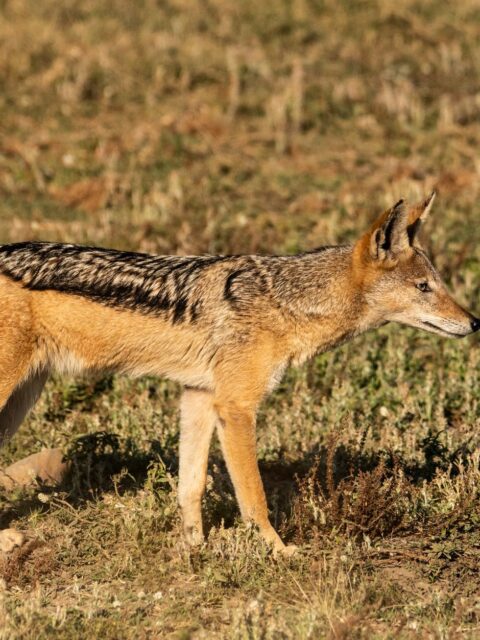
- leopards, jackals, and humans (mainly through habitat encroachment)
- Defense Mechanisms
- Giant Pandas rely on their size and strength for defense, and they can also climb trees to escape threats.
- Found in Zoos
- Common