


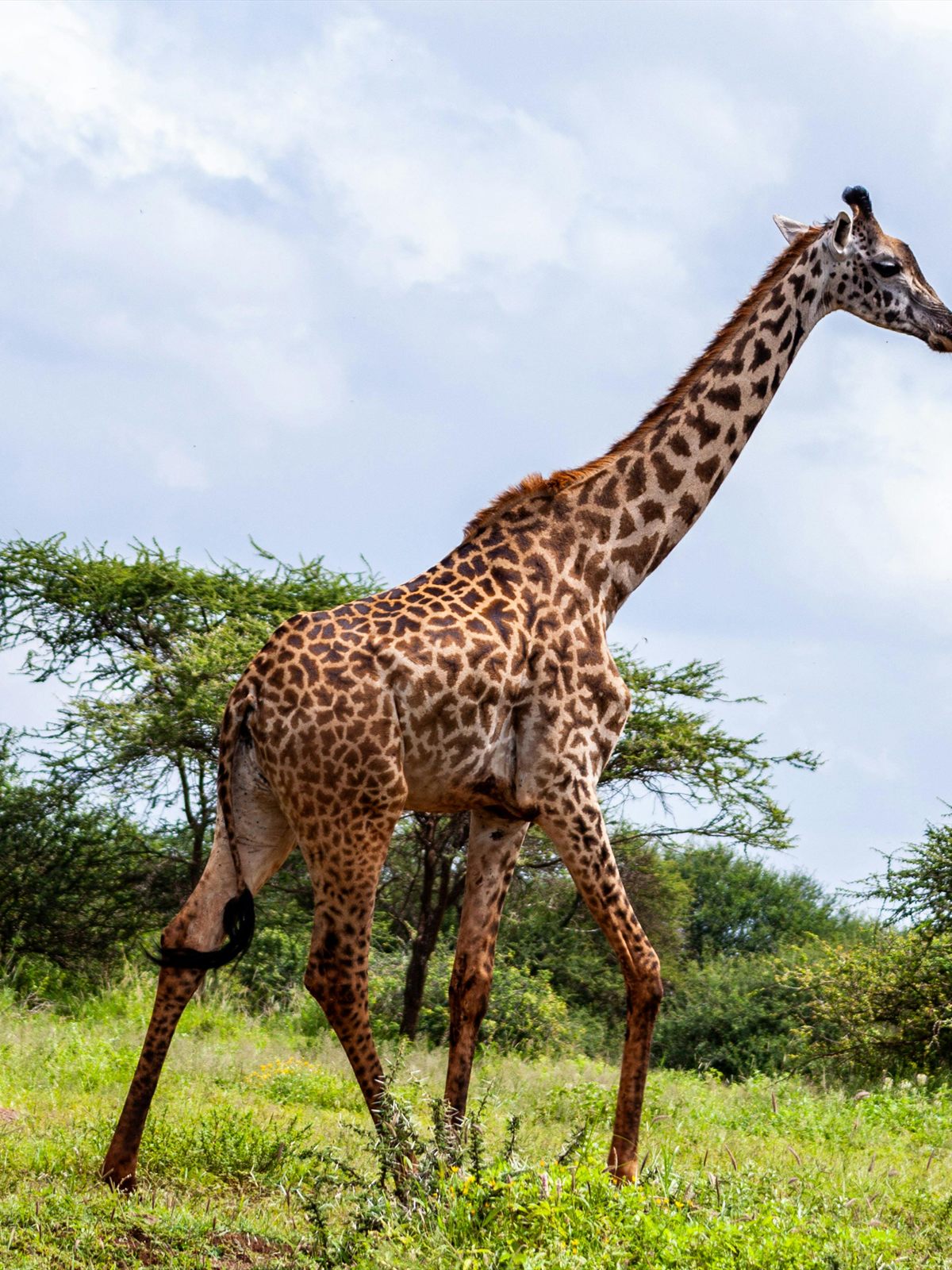
GIRAFFE
Giraffa camelopardalis
DESCRIPTION
The giraffe (Giraffa camelopardalis) is the tallest land animal, known for its long neck and legs. They are unique in their appearance and are primarily found in the savannas and open woodlands of Africa.
FUN FACTS
- Giraffes have a unique walking pattern, moving both legs on one side of their body and then the other | Their tongues can be up to 45 cm long, allowing them to grasp leaves easily | Giraffes only need to drink water every few days, as they get most of their hydration from the leaves they eat
QUICK INFO
Lifespan25 years in the wild, up to 30 years in captivity
Average Weight800-1,200 kg
Average Length4.3-5.7 m
Diet TypeHerbivore
Social StructureGroup — Giraffes often form loose herds of varying sizes, typically consisting of females and their young.
Activity PatternDiurnal
Breeding SeasonYear-round
- Habitat
- Giraffes inhabit savannas, grasslands, and open woodlands where they can find ample food sources. They prefer areas with a mix of trees and open spaces.
- Biomes
- Savanna, Grassland
- Native Range
- Giraffes are native to various regions across sub-Saharan Africa.
- Continent
- Africa
- Countries
- Kenya, Tanzania, South Africa, Namibia, Botswana
- Diet
- Giraffes are herbivores that primarily feed on leaves, fruits, and flowers from trees and shrubs. Their long necks allow them to reach high foliage that other herbivores cannot access.
- Diet Type
- Herbivore
- Favorite Food
- Acacia leaves
- Social Structure
- Group — Giraffes often form loose herds of varying sizes, typically consisting of females and their young.
- Activity Pattern
- Diurnal
- Group Size
- 5-20
- Territorial
- 0
 LC
LC
 LC
LC
 VU
VU
800-1,200 kg
Weight
4.3-5.7 m
Length
4.5-6 m
Height (Shoulder)
- Coloration
- Giraffes have a distinctive coat with irregular brown patches separated by lighter tan or cream-colored fur.
- Sexual Dimorphism
- Males are generally larger and have thicker necks than females.
- Lifespan
- 25 years in the wild, up to 30 years in captivity
- Gestation Period
- 400-460 days
- Offspring per Birth
- 1
- Sexual Maturity
- 3-4 years
- Breeding Season
- Year-round
VU
Vulnerable
IUCN Red List Status
- Population Status
- Giraffe populations are declining due to habitat loss and poaching.
- Wild Population Estimate
- 68,000-80,000
- Population Trend
- Decreasing
- Endangered
- 1
- Threats
- Main threats include habitat destruction, poaching, and human-wildlife conflict. These factors have led to significant declines in their populations.
- Conservation Program
- Various conservation programs are in place, including habitat protection and anti-poaching initiatives.
- Predators
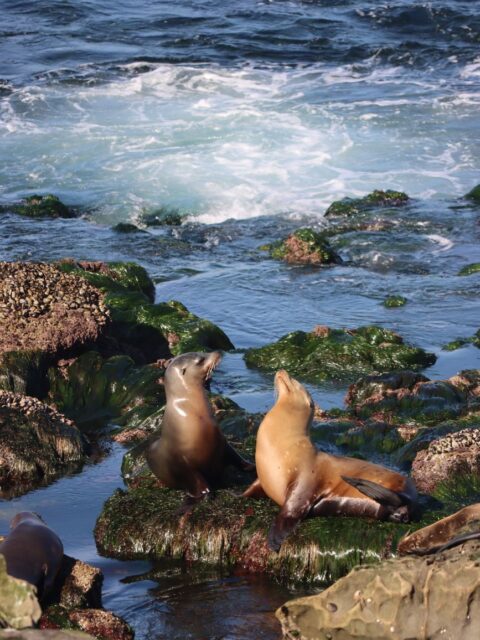
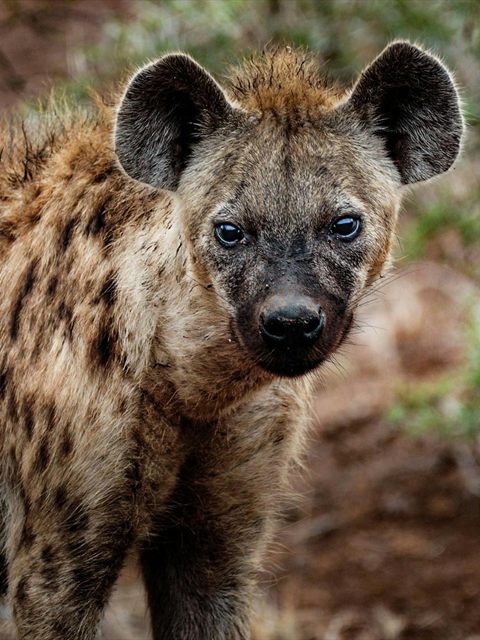
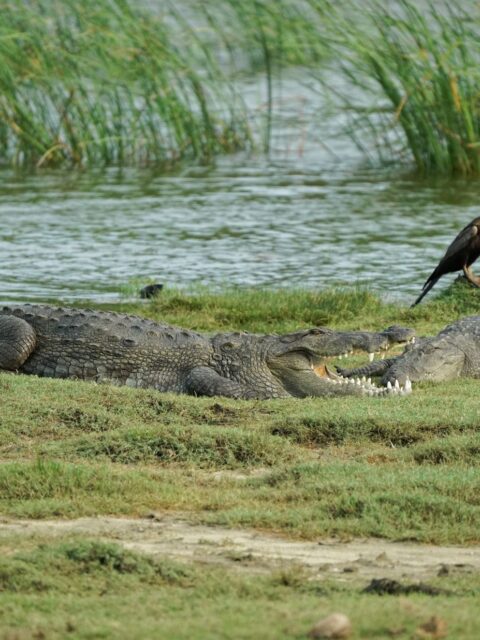
- Lions, hyenas, and crocodiles
- Defense Mechanisms
- Giraffes use their height to spot predators from afar and can deliver powerful kicks to defend themselves.
- Compatible Animals
- Zebras, ostriches, antelopes
- Found in Zoos
- Common