


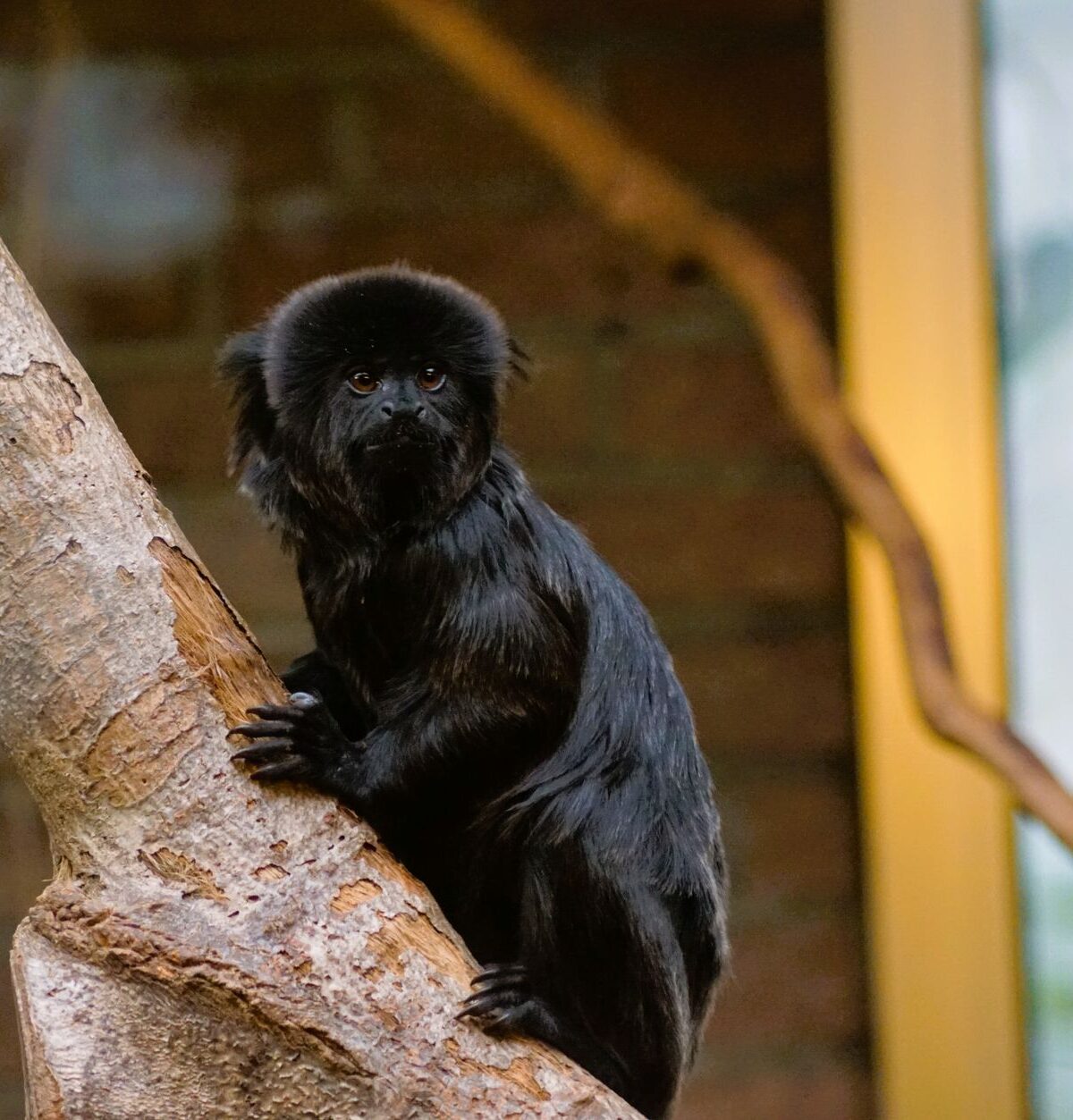
GOELDI'S MARMOSET
DESCRIPTION
Goeldi's Marmoset, also known as Goeldi's Monkey, is a small primate characterized by its dark fur, which can appear almost black with a hint of brown. This species exhibits a unique facial structure with a short snout and large, expressive eyes, giving it a distinctive appearance among marmosets. Socially, they are known for their complex vocalizations and strong family bonds, often seen foraging together in their natural habitat.
FUN FACTS
- Goeldi's Marmoset is named after the Swiss zoologist Emil Goeldi, who first described the species in the early 20th century
- These marmosets are unique among their relatives for their preference for a more insect-based diet compared to other marmosets, which tend to focus more on fruits and plant materials.| Goeldi's Marmosets are known for their strong family bonds, often seen engaging in social grooming and playing together
- This social behavior is crucial for maintaining group cohesion and is a key aspect of their daily life in the wild
QUICK INFO
Lifespan10-15 years in the wild, up to 20 years in captivi
Average Weight600-800 g
Average Length25-30 cm
Diet TypeOmnivore
Social StructureThey typically live in small family groups, often consisting of a breeding pair and their offspring. This social structure helps them to protect their territory and raise their young together.
Activity PatternDiurnal
Breeding SeasonYear-round, with peaks depending on local conditions
- Habitat
- These marmosets inhabit dense, humid tropical forests, often found in the understory and lower canopy layers. They prefer areas with abundant vegetation that provides both food and shelter.
- Biomes
- Tropical Rainforest
- Native Range
- Goeldi's Marmoset is native to the Amazon Basin, specifically in parts of Brazil, Peru, and Bolivia.
- Continent
- South America
- Countries
- Brazil, Peru, Bolivia
- Diet
- Goeldi's Marmosets primarily consume a diet of fruits, insects, and small vertebrates, showcasing their omnivorous feeding habits. They are particularly fond of ripe fruits and will also eat flowers and nectar when available.
- Diet Type
- Omnivore
- Favorite Food
- fruits, insects
- Social Structure
- They typically live in small family groups, often consisting of a breeding pair and their offspring. This social structure helps them to protect their territory and raise their young together.
- Activity Pattern
- Diurnal
- Group Size
- 2-8
- Territorial
- 1
 LC
LC
 NT
NT
600-800 g
Weight
25-30 cm
Length
- Coloration
- dark fur with a hint of brown, lighter underparts
- Sexual Dimorphism
- males are slightly larger than females
- Lifespan
- 10-15 years in the wild, up to 20 years in captivi
- Gestation Period
- 150 days
- Offspring per Birth
- 1-2
- Sexual Maturity
- 1-2 years
- Breeding Season
- Year-round, with peaks depending on local conditions
EN
Endangered
IUCN Red List Status
- Population Status
- The population of Goeldi's Marmoset is currently considered to be decreasing due to habitat loss and fragmentation.
- Wild Population Estimate
- unknown
- Population Trend
- Decreasing
- Endangered
- 1
- Threats
- Main threats to Goeldi's Marmoset include deforestation for agriculture and logging, which leads to habitat loss. Additionally, they are sometimes captured for the pet trade, further impacting their populations.
- Predators
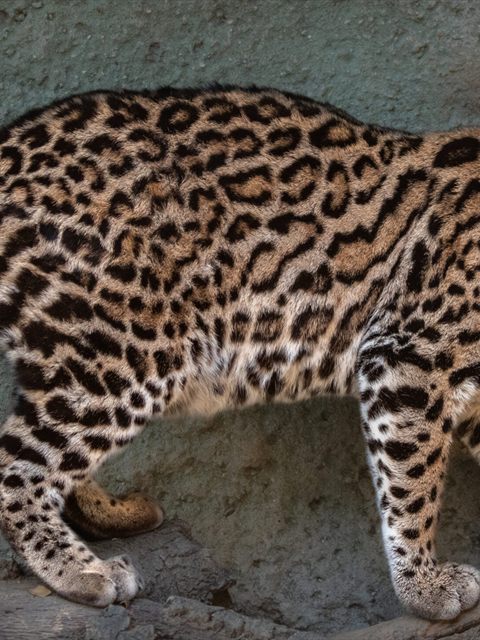
- Predators of Goeldi's Marmoset include birds of prey, snakes, and larger mammals such as jaguars and ocelots.
- Defense Mechanisms
- They use vocalizations to warn each other of potential threats and can quickly escape into the trees when danger approaches.
- Found in Zoos
- Uncommon