


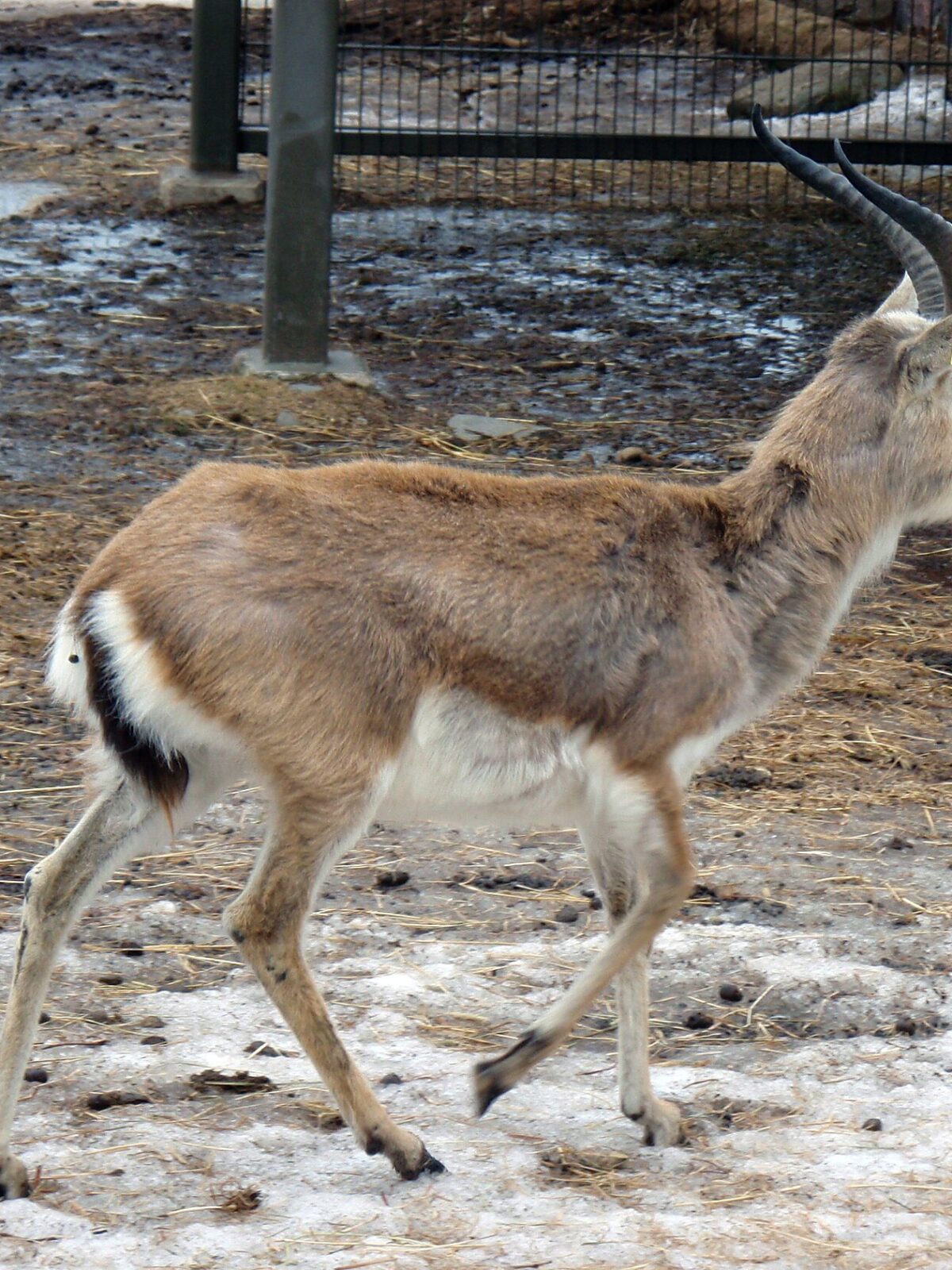
GOITERED GAZELLE
Gazella subgutturosa
DESCRIPTION
Goitered Gazelle (Gazella subgutturosa) is a medium-sized antelope known for its slender build and long legs. It has a distinctive goiter-like swelling in the throat area, which is more pronounced in males. These gazelles are social animals, often found in herds, and are well adapted to arid environments, displaying remarkable speed and agility to evade predators.
FUN FACTS
- Goitered Gazelles can reach speeds of up to 60 km/h, making them one of the fastest animals in their habitat
- They have a unique social structure where females and young form herds, while males often lead a more solitary life, only joining groups during the breeding season
QUICK INFO
Lifespan10-12 years in the wild, up to 15 years in captivi
Average Weight40-70 kg
Average Length1.2-1.5 m
Diet TypeHerbivore
Social StructureThey are typically found in groups, often consisting of females and their young, while males may be solitary or form small bachelor groups.
Activity PatternDiurnal
Breeding SeasonSpring (April-June)
- Habitat
- They inhabit arid and semi-arid regions, including steppes and deserts. Their habitat is characterized by sparse vegetation and open landscapes.
- Biomes
- Desert, Grassland, Steppe
- Native Range
- The native range of the Goitered Gazelle includes parts of Central Asia, particularly in countries like Mongolia and Kazakhstan.
- Continent
- Asia
- Countries
- Mongolia, Kazakhstan, Uzbekistan, Turkmenistan, Iran
- Diet
- Goitered Gazelles primarily graze on grasses and browse on shrubs and herbs. They are adapted to survive in dry habitats, often consuming moisture-rich plants.
- Diet Type
- Herbivore
- Favorite Food
- grasses, shrubs, herbs
- Social Structure
- They are typically found in groups, often consisting of females and their young, while males may be solitary or form small bachelor groups.
- Activity Pattern
- Diurnal
- Group Size
- 10-30
- Territorial
- 0
 LC
LC
 VU
VU
40-70 kg
Weight
1.2-1.5 m
Length
0.8-1.0 m at shoulder
Height (Shoulder)
- Coloration
- Their coloration is generally light tan or sandy, with white underparts and distinctive dark markings on the face and legs.
- Sexual Dimorphism
- Males are larger than females and have longer, curved horns.
- Lifespan
- 10-12 years in the wild, up to 15 years in captivi
- Gestation Period
- 180 days
- Offspring per Birth
- 1
- Sexual Maturity
- 1-2 years
- Breeding Season
- Spring (April-June)
VU
Vulnerable
IUCN Red List Status
- Population Status
- The population of Goitered Gazelles is currently declining due to habitat loss and hunting.
- Wild Population Estimate
- 50,000-100,000
- Population Trend
- Decreasing
- Endangered
- 1
- Threats
- Main threats include habitat destruction due to agriculture and urbanization, as well as poaching for their meat and horns. Climate change also poses a risk to their arid habitats.
- Predators
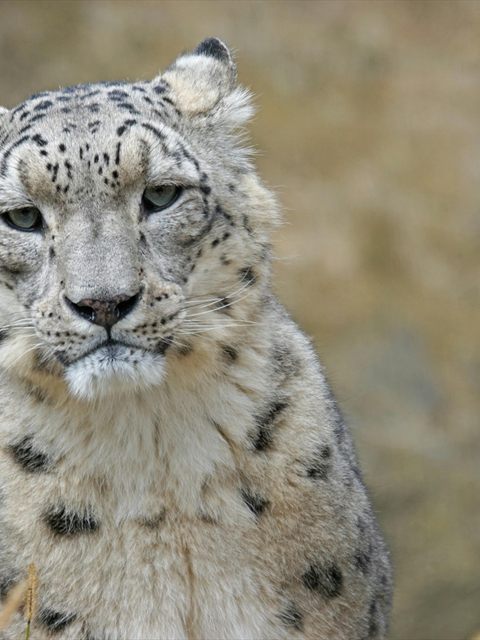
- Wolves, leopards, and humans are the primary predators of Goitered Gazelles.
- Defense Mechanisms
- They rely on their speed and agility to escape predators, often using zigzag running patterns to evade capture.
- Found in Zoos
- Uncommon