


GOLDEN-BELLIED MANGABEY
Cercocebus chrysogaster
DESCRIPTION
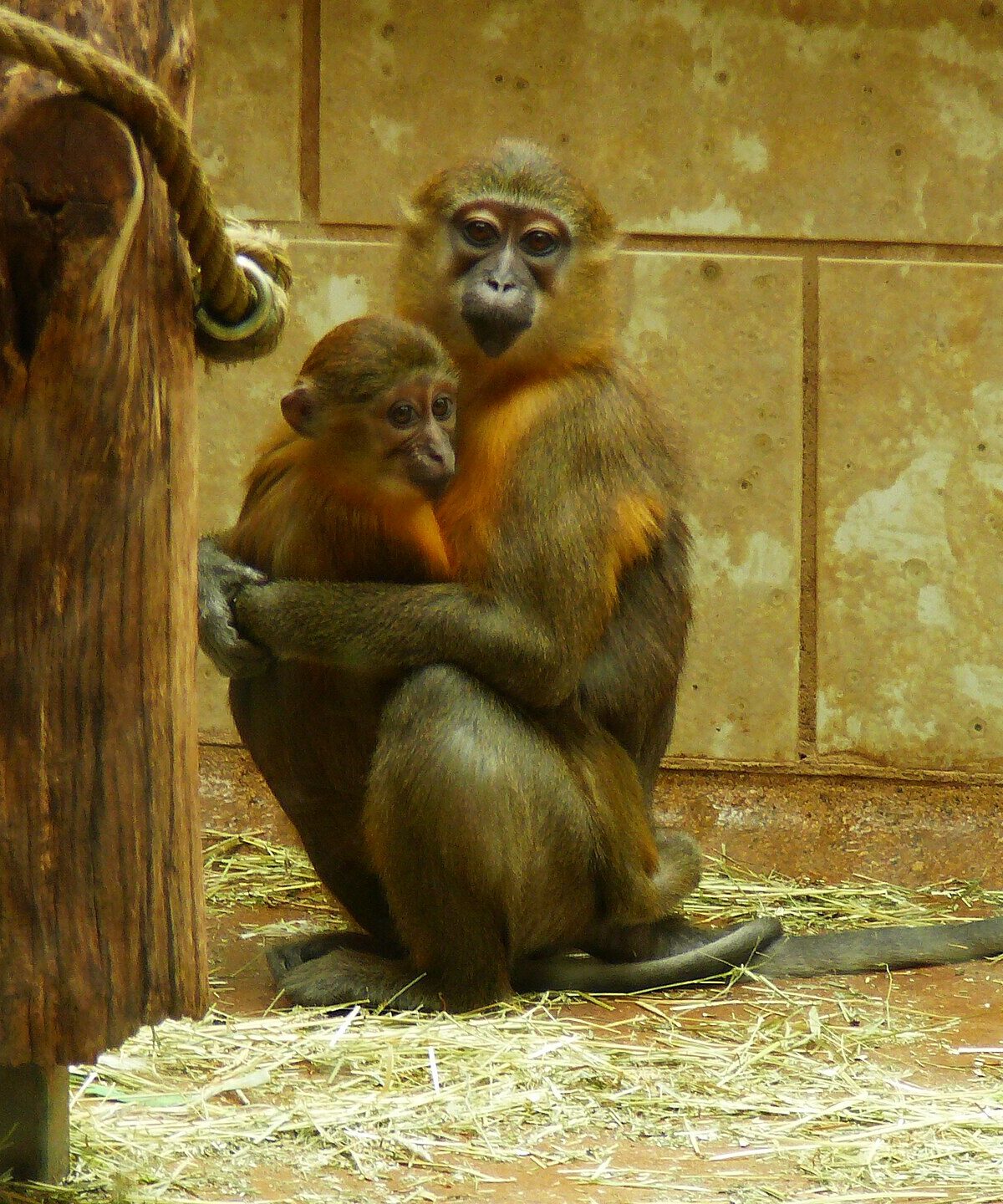
Golden-bellied Mangabey (Cercocebus chrysogaster) is also known as the Chrysogaster Mangabey. This primate is characterized by its striking golden-yellow belly and dark fur on the rest of its body, which provides a stark contrast. They are social animals that live in groups and are known for their vocalizations and complex social interactions, often seen foraging together in their natural habitat.
FUN FACTS
- Golden-bellied Mangabeys are known for their impressive vocal range, which they use to communicate with each other over long distances
- Their social structures are complex, with strong bonds formed between individuals, often seen grooming each other to reinforce these relationships
- | These primates are highly adaptable and can thrive in various forest types, showcasing their resilience in changing environments
- They play a crucial role in their ecosystem by helping to disperse seeds through their fruit-based diet, contributing to forest regeneration
QUICK INFO
Lifespan20-25 years in the wild, up to 30 years in captivi
Average Weight8-12 kg
Average Length50-70 cm
Diet TypeOmnivore
Social StructureThey live in groups, typically consisting of 10-30 individuals, with a clear social hierarchy.
Activity PatternDiurnal
Breeding SeasonYear-round, with peaks depending on local conditions
- Habitat
- Golden-bellied Mangabeys inhabit tropical rainforests and dense woodlands, where they can find ample food and shelter. They are arboreal, spending much of their time in the trees.
- Biomes
- Tropical Rainforest
- Native Range
- They are native to the coastal regions of West Africa.
- Continent
- Africa
- Countries
- Ghana, Ivory Coast, Liberia
- Diet
- They primarily consume fruits, leaves, and seeds, but will also eat insects and small animals when available.
- Diet Type
- Omnivore
- Favorite Food
- fruits, leaves
- Social Structure
- They live in groups, typically consisting of 10-30 individuals, with a clear social hierarchy.
- Activity Pattern
- Diurnal
- Group Size
- 10-30
- Territorial
- 1
 VU
VU
8-12 kg
Weight
50-70 cm
Length
- Coloration
- Dark fur with a distinctive golden-yellow belly.
- Sexual Dimorphism
- Males are generally larger than females.
- Lifespan
- 20-25 years in the wild, up to 30 years in captivi
- Gestation Period
- 160 days
- Offspring per Birth
- 1
- Sexual Maturity
- 4-5 years
- Breeding Season
- Year-round, with peaks depending on local conditions
LC
Least Concern
IUCN Red List Status
- Population Status
- The population is currently stable, but habitat loss poses a threat.
- Wild Population Estimate
- Unknown
- Population Trend
- Stable
- Endangered
- 0
- Threats
- Main threats include habitat destruction due to logging and agricultural expansion. Hunting for bushmeat also poses a risk to their populations.
- Predators
- Large birds of prey and snakes are known to prey on young mangabeys.
- Defense Mechanisms
- They use vocalizations to warn of predators and can flee into the trees for safety.
- Found in Zoos
- Uncommon