


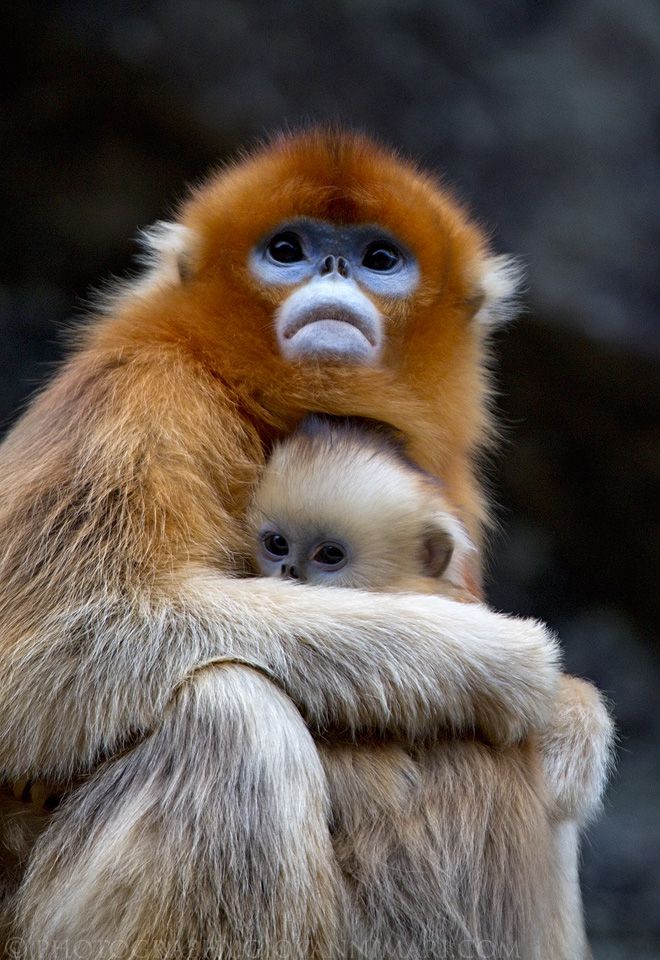
GOLDEN SNUB-NOSE MONKEY
Rhinopithecus roxellana
DESCRIPTION
Golden Snub-Nose Monkey (Rhinopithecus roxellana) is a striking primate known for its distinctive golden fur and flat, upturned nose. These monkeys are highly social and live in large groups, often found in the mountainous forests of central China. Their unique adaptations allow them to thrive in cold, high-altitude environments, where they primarily inhabit mixed deciduous and coniferous forests.
FUN FACTS
- Golden Snub-Nose Monkeys are known for their unique social behaviors, including synchronized movements and vocalizations that can be heard over long distances
- They have a special adaptation to their cold habitat, with a thick layer of fur that helps them stay warm in harsh winter conditions
QUICK INFO
Lifespan20-30 years in the wild, up to 40 in captivity
Average Weight15-25 kg
Average Length50-70 cm
Diet TypeHerbivore
Social Structuregroup — they live in large, cohesive groups that can number from 10 to over 100 individuals.
Activity PatternDiurnal
Breeding SeasonSpring (March-May)
- Habitat
- Golden Snub-Nose Monkeys inhabit temperate forests at high elevations, often in steep, rugged terrain. They prefer areas with abundant foliage for foraging and shelter.
- Biomes
- Temperate Forest
- Native Range
- They are native to the mountainous regions of central China, particularly in Sichuan and Gansu provinces.
- Continent
- Asia
- Countries
- China
- Diet
- They primarily consume leaves, fruits, and flowers, with a particular preference for young leaves. This herbivorous diet is supplemented by occasional seeds and bark.
- Diet Type
- Herbivore
- Favorite Food
- young leaves, fruits
- Social Structure
- group — they live in large, cohesive groups that can number from 10 to over 100 individuals.
- Activity Pattern
- Diurnal
- Group Size
- 10-100
- Territorial
- 0
 VU
VU
 LC
LC
15-25 kg
Weight
50-70 cm
Length
- Coloration
- They have a distinctive golden-yellow fur with a darker face and limbs.
- Sexual Dimorphism
- Males are generally larger than females.
- Lifespan
- 20-30 years in the wild, up to 40 in captivity
- Gestation Period
- 160 days
- Offspring per Birth
- 1
- Sexual Maturity
- 4-5 years
- Breeding Season
- Spring (March-May)
EN
Endangered
IUCN Red List Status
- Population Status
- The population is currently declining due to habitat loss and hunting.
- Wild Population Estimate
- 10,000-20,000
- Population Trend
- Decreasing
- Endangered
- 1
- Threats
- Main threats include habitat destruction due to logging and agriculture, as well as hunting for traditional medicine and the pet trade. These factors have significantly impacted their population numbers.
- Conservation Program
- Various conservation efforts are underway, including habitat protection and anti-poaching initiatives.
- Predators
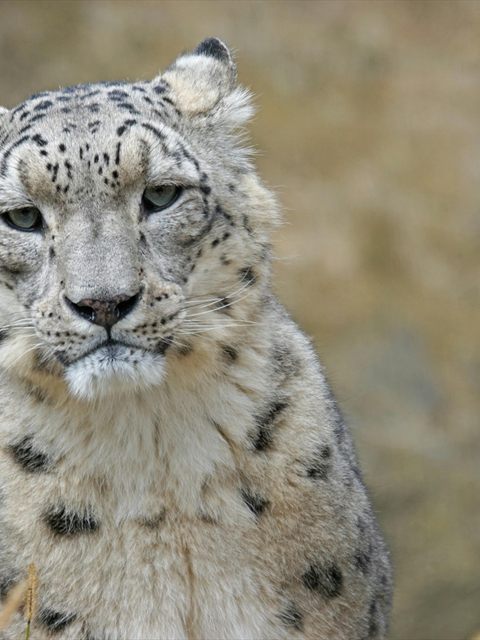
- Snow leopards, eagles, and other large birds of prey are known to pose threats to young monkeys.
- Defense Mechanisms
- They use vocalizations to alert the group of potential dangers and often retreat to higher branches to avoid predators.
- Found in Zoos
- Uncommon