


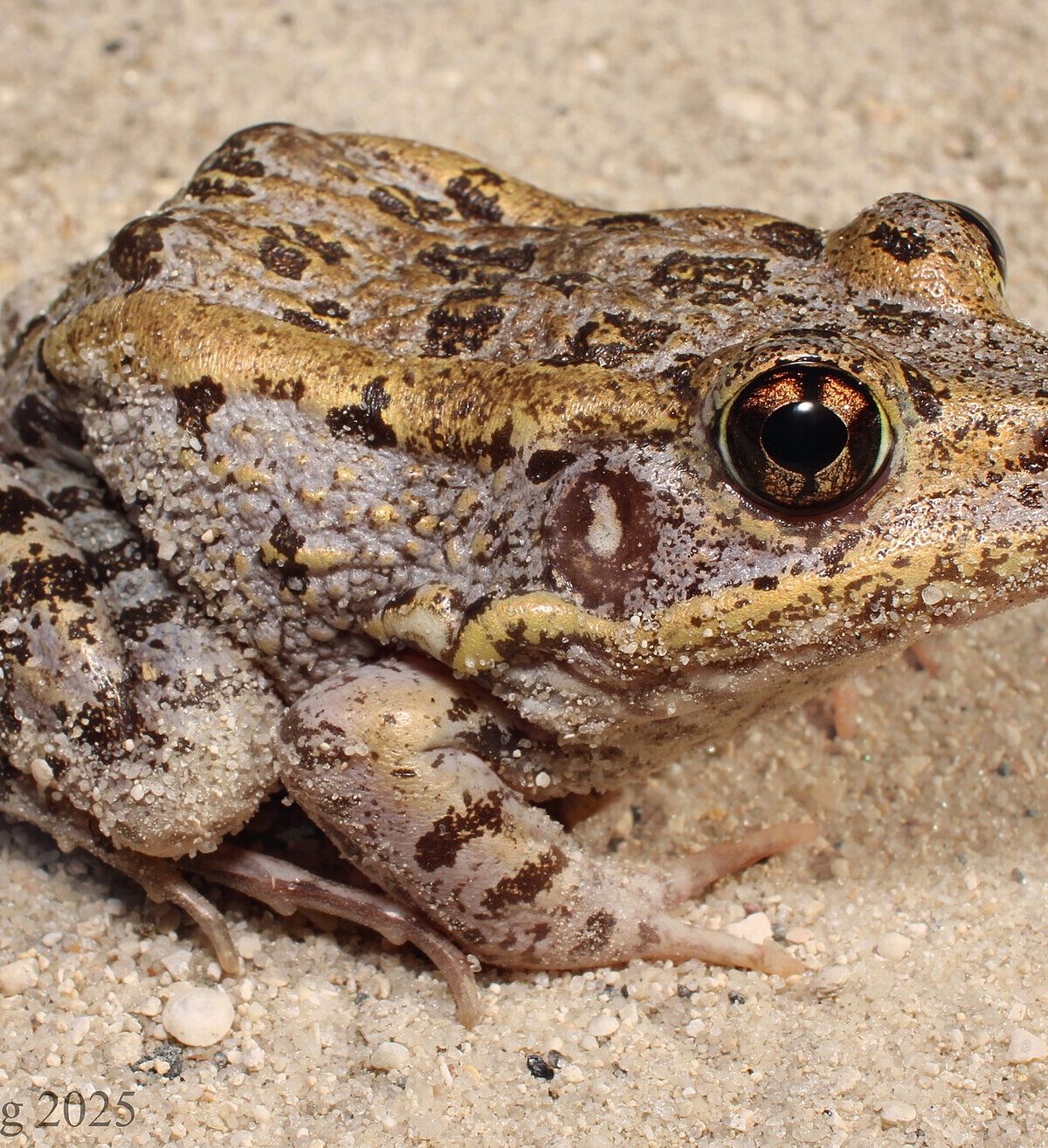
GOPHER FROG
Lithobates capito
DESCRIPTION
Gopher Frog (Lithobates capito), also known as the Southern Gopher Frog, is a medium-sized frog characterized by its warty skin and dark coloration, often with lighter spots. This species is primarily found in sandy soils and is known for its burrowing behavior, often utilizing the burrows of gopher tortoises for shelter. Gopher Frogs are nocturnal and are typically found near temporary ponds where they breed, making them an important part of their ecosystem as both predator and prey.
FUN FACTS
- Gopher Frogs are known for their unique breeding behavior, where they often return to the same breeding ponds year after year, demonstrating strong site fidelity
- Additionally, they have a fascinating relationship with gopher tortoises, as they often share burrows, providing a safe haven for both species from predators and environmental extremes
QUICK INFO
Lifespan5-10 years in the wild
Average Weight50-100 g
Average Length7.5-10 cm
Diet TypeInsectivore
Social Structuresolitary, occasionally found in small groups during breeding
Activity PatternNocturnal
Breeding SeasonSpring (March-April)
- Habitat
- Gopher Frogs inhabit sandy soils and are often found in pine forests or areas with open canopies. They require access to temporary ponds for breeding and moist environments for their survival.
- Biomes
- Temperate Forest, Grassland
- Native Range
- The native range of the Gopher Frog includes the southeastern United States, particularly in areas of Florida, Georgia, Alabama, and Mississippi.
- Continent
- North America
- Countries
- United States
- Diet
- Gopher Frogs primarily consume a variety of invertebrates, including insects and worms. They are opportunistic feeders and will eat whatever is available in their habitat.
- Diet Type
- Insectivore
- Favorite Food
- insects, worms
- Social Structure
- solitary, occasionally found in small groups during breeding
- Activity Pattern
- Nocturnal
- Group Size
- 1-10
- Territorial
- 0
 LC
LC
 LC
LC
 VU
VU
50-100 g
Weight
7.5-10 cm
Length
- Coloration
- dark brown or gray with lighter spots
- Sexual Dimorphism
- males are typically smaller and have more pronounced vocal sacs than females
- Lifespan
- 5-10 years in the wild
- Offspring per Birth
- 100-1,000 eggs
- Sexual Maturity
- 2-3 years
- Breeding Season
- Spring (March-April)
EN
Endangered
IUCN Red List Status
- Population Status
- The Gopher Frog population is currently declining due to habitat loss and fragmentation.
- Wild Population Estimate
- less than 5,000
- Population Trend
- Decreasing
- Endangered
- 1
- Threats
- Main threats to Gopher Frogs include habitat destruction due to urban development and agriculture, as well as disease and climate change. Their reliance on specific breeding habitats makes them particularly vulnerable.
- Conservation Program
- Conservation efforts include habitat restoration and protection, as well as captive breeding programs.
- Predators
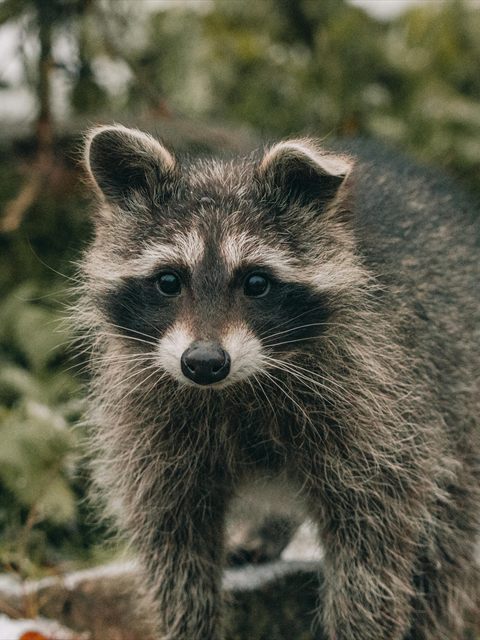
- Raccoons, snakes, birds, and larger amphibians are known predators of Gopher Frogs.
- Defense Mechanisms
- Gopher Frogs can use their burrowing ability to escape predators and may also rely on their cryptic coloration for camouflage.
- Found in Zoos
- Uncommon