


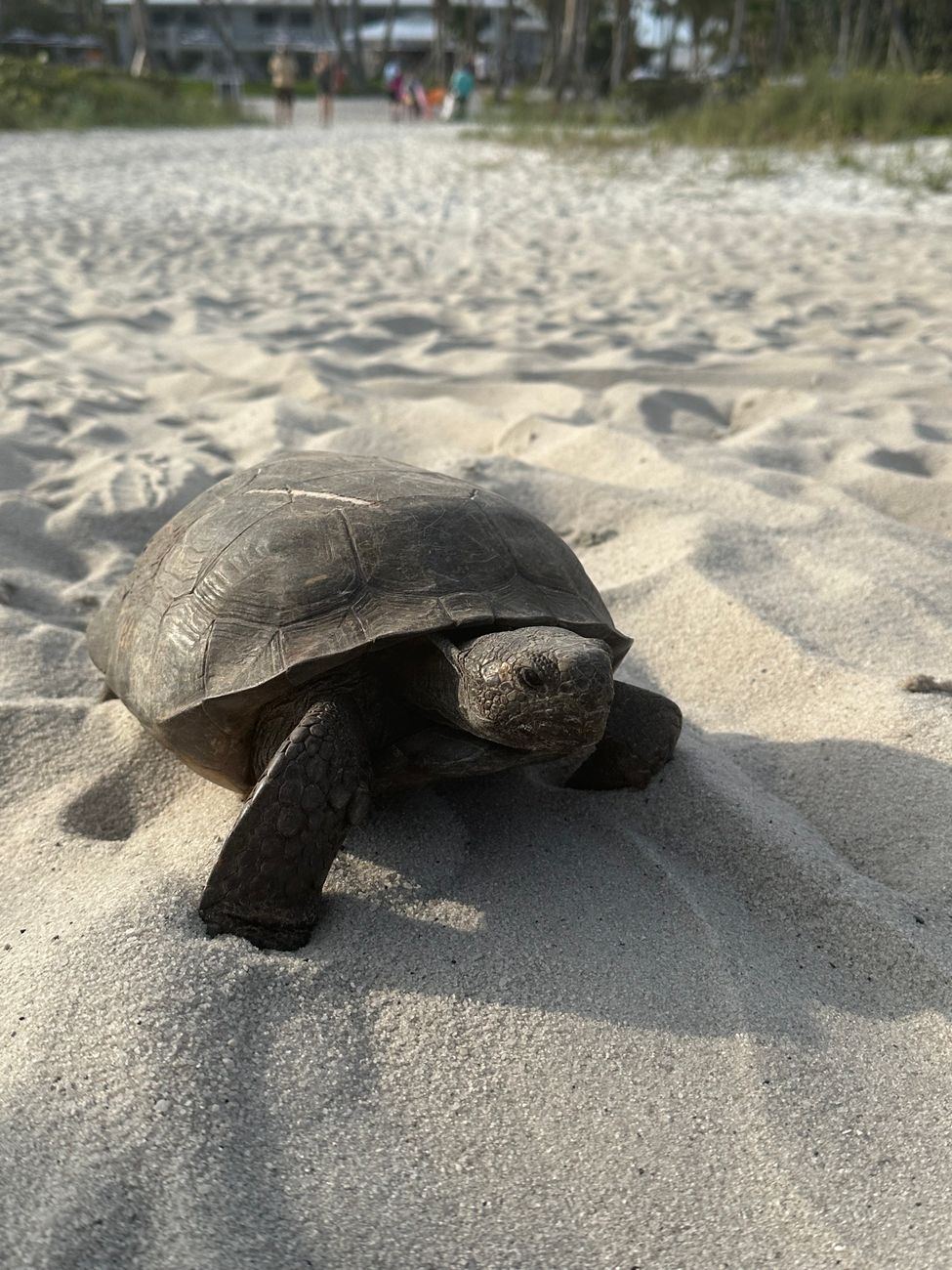
GOPHER TORTOISE
Gopherus polyphemus
DESCRIPTION
Gopher Tortoise (Gopherus polyphemus) is a large, terrestrial tortoise native to the southeastern United States. It has a distinctive domed shell that can reach up to 15 inches in length, with a coloration that ranges from gray to brown. This species is known for its burrowing behavior, creating extensive underground burrows that provide shelter not only for itself but also for many other species, making it a keystone species in its ecosystem.
FUN FACTS
- Gopher Tortoises are known for their impressive burrowing skills, which can create burrows that are up to 40 feet long and 10 feet deep
- These burrows provide a crucial habitat for over 350 other species, including rabbits, snakes, and various insects
- | The Gopher Tortoise is often referred to as a 'keystone species' because of its significant role in the ecosystem
- By digging burrows, they help aerate the soil and create habitats that support a diverse range of wildlife, making them essential for maintaining ecological balance
QUICK INFO
Lifespan40-60 years in the wild, up to 80 years in captivi
Average Weight8-15 kg
Average Length25-30 cm
Diet TypeHerbivore
Social Structuresolitary, though they may share burrows with other tortoises and species.
Activity PatternDiurnal
Breeding SeasonSpring (April-June)
- Habitat
- Gopher Tortoises inhabit dry, sandy soils in longleaf pine forests, scrublands, and coastal dunes. Their burrows help maintain the health of these ecosystems by aerating the soil and providing refuge for other wildlife.
- Biomes
- Temperate Forest, Grassland, Savanna
- Native Range
- The native range of the Gopher Tortoise includes the southeastern United States, particularly in states like Florida, Georgia, Alabama, Mississippi, and South Carolina.
- Continent
- North America
- Countries
- United States
- Diet
- Gopher Tortoises are primarily herbivorous, feeding on a variety of grasses, leaves, and fruits. They play an important role in their habitat by helping to disperse seeds through their feces.
- Diet Type
- Herbivore
- Favorite Food
- grasses, leaves, fruits
- Social Structure
- solitary, though they may share burrows with other tortoises and species.
- Activity Pattern
- Diurnal
- Group Size
- 1-3
- Territorial
- 0
 LC
LC
 EX
EX
8-15 kg
Weight
25-30 cm
Length
- Coloration
- gray to brown with a domed shell
- Sexual Dimorphism
- males typically have a concave plastron and longer tails than females
- Lifespan
- 40-60 years in the wild, up to 80 years in captivi
- Gestation Period
- 60-90 days
- Offspring per Birth
- 3-15
- Sexual Maturity
- 10-15 years
- Breeding Season
- Spring (April-June)
VU
Vulnerable
IUCN Red List Status
- Population Status
- The Gopher Tortoise population is currently declining due to habitat loss and other threats.
- Wild Population Estimate
- 100,000-200,000
- Population Trend
- Decreasing
- Endangered
- 1
- Threats
- Main threats to Gopher Tortoises include habitat destruction due to urban development, agriculture, and wildfires. Additionally, they face pressure from predation and disease.
- Conservation Program
- The Gopher Tortoise is protected under various state laws, and there are ongoing conservation efforts to restore and protect their habitats.
- Predators
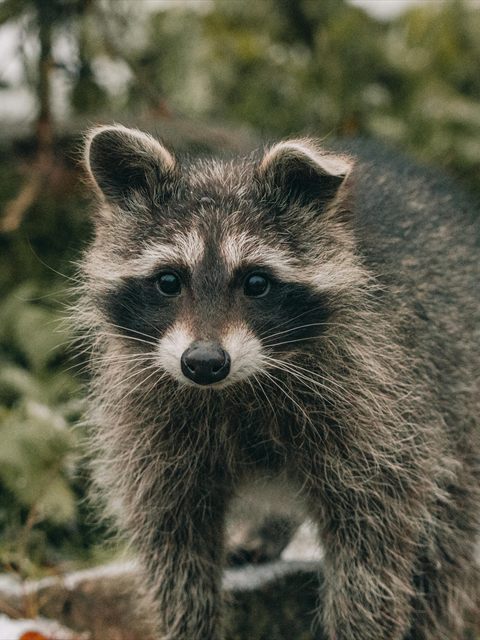
- Raccoons, coyotes, foxes, and birds of prey are known to prey on Gopher Tortoise eggs and juveniles.
- Defense Mechanisms
- Gopher Tortoises can retreat into their shells for protection against predators.
- Compatible Animals
- none
- Found in Zoos
- Common