


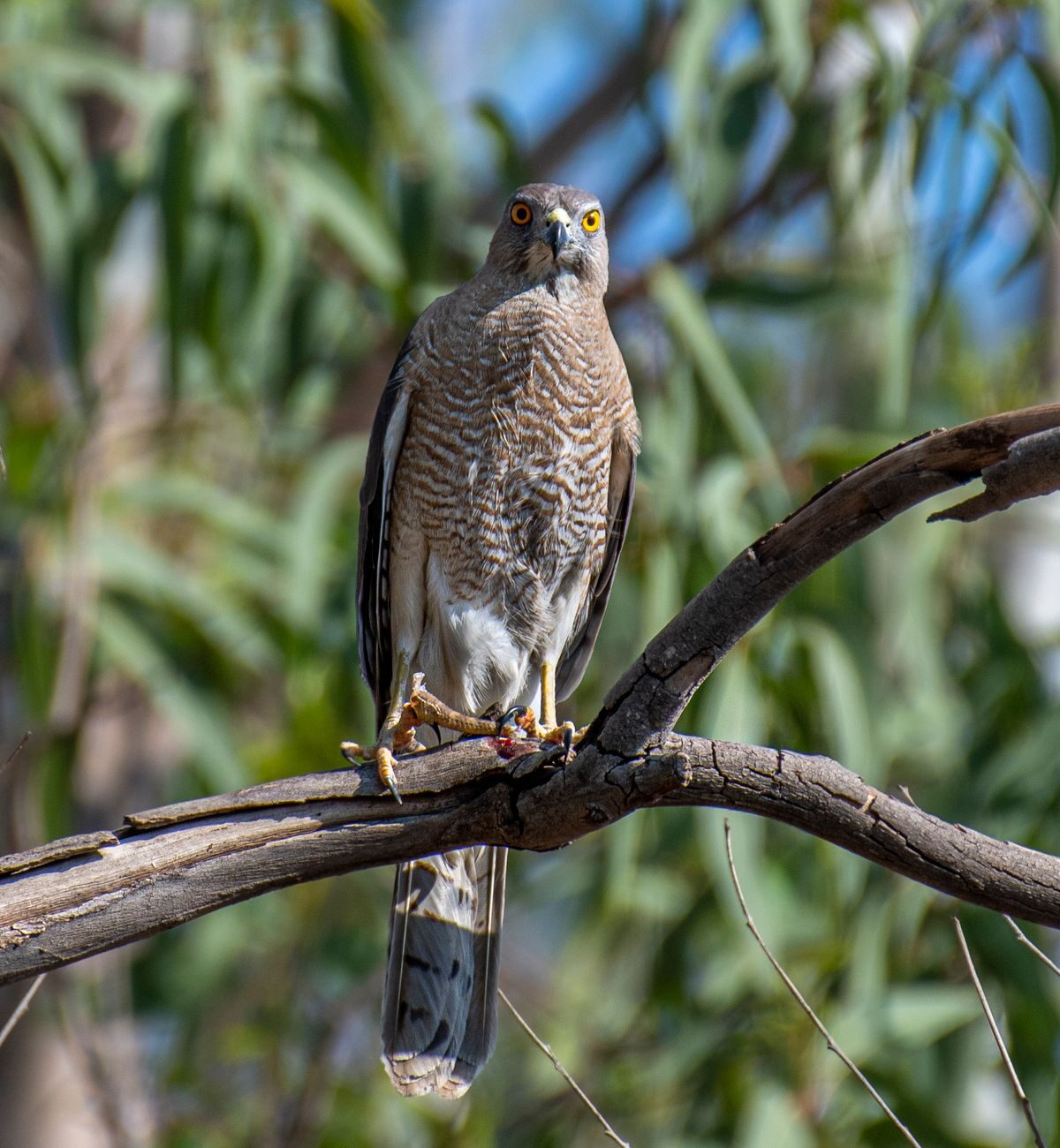
GOSHAWK
Accipiter gentilis
DESCRIPTION
Goshawk (Accipiter gentilis), also known as the Northern Goshawk, is a large bird of prey characterized by its robust build and striking appearance. It features a slate-gray plumage with a distinctive white supercilium and a barred tail, making it easily recognizable. This species is known for its agility and speed, often hunting in dense forests where it can surprise its prey with swift, powerful flights.
FUN FACTS
- Goshawks are incredibly agile fliers, capable of making sharp turns and rapid descents to catch their prey
- They are also known for their impressive hunting techniques, often using surprise and speed to ambush birds and small mammals in dense vegetation.|In some cultures, Goshawks have been used in falconry for centuries due to their hunting prowess and trainability
- They are considered one of the most skilled hunters among birds of prey, making them a favorite among falconers
QUICK INFO
Lifespan10-15 years in the wild, up to 20 years in captivi
Average Weight0.7-2.0 kg
Average Length48-61 cm
Diet TypeCarnivore
Social Structuresolitary, pairs during breeding season
Activity PatternDiurnal
Breeding SeasonSpring (March-May)
- Habitat
- Goshawks inhabit a range of forested environments, including coniferous and mixed woodlands. They prefer areas with dense canopy cover that provide ample hunting opportunities and nesting sites.
- Biomes
- Temperate Forest, Boreal Forest
- Native Range
- Goshawks are found across North America, Europe, and parts of Asia, typically in forested regions.
- Continent
- North America, Europe, Asia
- Countries
- United States, Canada, Germany, Russia, Sweden
- Diet
- Goshawks primarily feed on small to medium-sized birds and mammals, utilizing their keen eyesight and hunting skills to capture them. They are known to hunt in a variety of environments, often taking advantage of cover to ambush their prey.
- Diet Type
- Carnivore
- Favorite Food
- birds, small mammals
- Social Structure
- solitary, pairs during breeding season
- Activity Pattern
- Diurnal
- Group Size
- 1-2
- Territorial
- 1
 LC
LC
0.7-2.0 kg
Weight
48-61 cm
Length
- Coloration
- Slate-gray above with a white underside and dark streaks.
- Sexual Dimorphism
- Females are larger than males.
- Lifespan
- 10-15 years in the wild, up to 20 years in captivi
- Offspring per Birth
- 2-5
- Sexual Maturity
- 1-2 years
- Breeding Season
- Spring (March-May)
LC
Least Concern
IUCN Red List Status
- Population Status
- The population of Goshawks is generally stable, although local declines may occur due to habitat loss.
- Wild Population Estimate
- 100,000-200,000
- Population Trend
- Stable
- Endangered
- 0
- Threats
- Main threats include habitat destruction and fragmentation, as well as hunting in some regions. These factors can lead to localized population declines.
- Predators
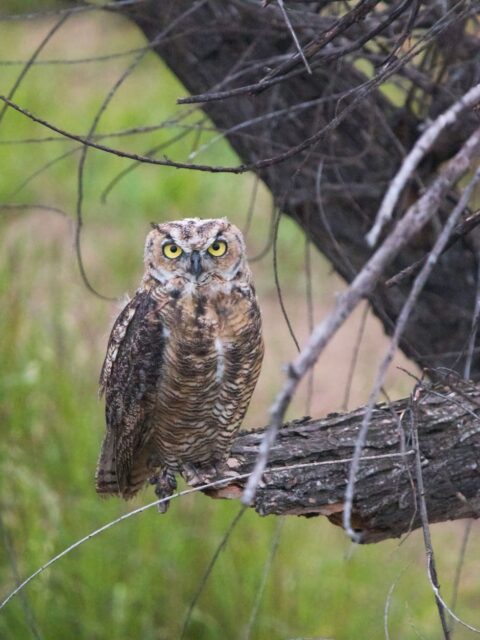
- Great Horned Owl, larger raptors, humans
- Defense Mechanisms
- Goshawks are known for their aggressive behavior when defending their nests, often using their sharp talons and beaks to fend off intruders.
- Found in Zoos
- Uncommon