


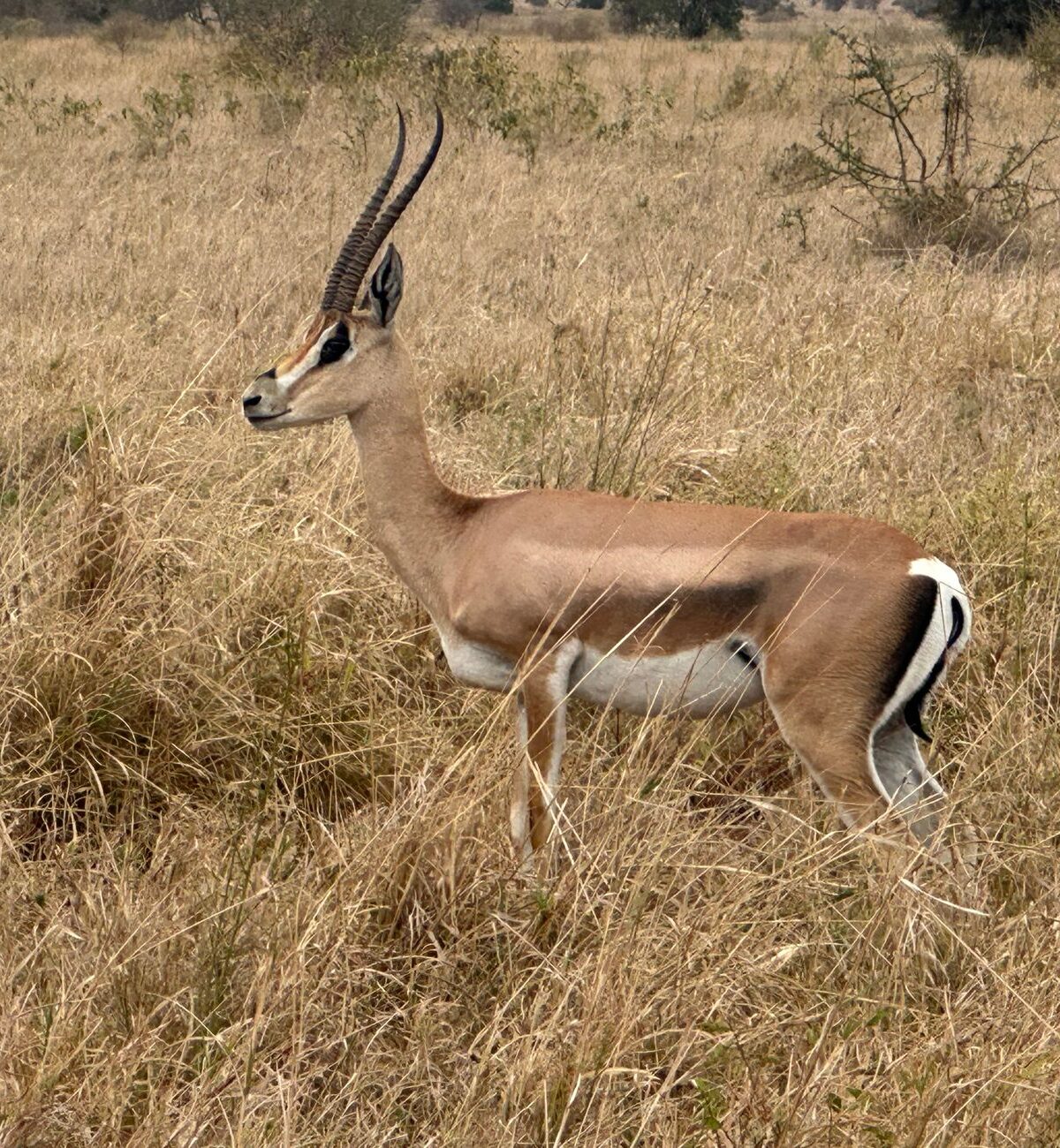
GRANT'S GAZELLE
Nanger granti
DESCRIPTION
Grant's Gazelle is a medium-sized antelope known for its graceful build and distinctive features. It has a light tan coat with white underparts and characteristic black markings on its face and legs. These gazelles are social animals, often found in herds, and are known for their incredible speed and agility, which they use to evade predators in their natural habitat.
FUN FACTS
- Grant's Gazelle is known for its impressive speed, capable of running up to 50 miles per hour, which helps it escape from predators
- Additionally, they have a unique behavior called stotting, where they leap high into the air to signal to predators that they are fit and healthy, making them less appealing targets.|These gazelles are also known for their social structures, often forming mixed herds with other herbivores like zebras and wildebeests, which can enhance their safety through increased vigilance against predators
QUICK INFO
Lifespan10-12 years in the wild, up to 15 years in captivi
Average Weight40-70 kg
Average Length1.2-1.5 m
Diet TypeHerbivore
Social Structuregroup — they often form herds of varying sizes, which can provide protection against predators.
Activity PatternDiurnal
Breeding SeasonYear-round, with peaks during the rainy season
- Habitat
- Grant's Gazelle inhabits open savannas, grasslands, and semi-arid regions. They prefer areas with sparse vegetation that allows for easy movement and visibility.
- Biomes
- Savanna, Grassland
- Native Range
- Grant's Gazelle is native to East Africa, particularly found in countries like Kenya and Tanzania.
- Continent
- Africa
- Countries
- Kenya, Tanzania, Uganda
- Diet
- Grant's Gazelle primarily feeds on grasses, leaves, and shoots. They are selective grazers, often choosing the most nutritious parts of the vegetation.
- Diet Type
- Herbivore
- Favorite Food
- grasses and leaves
- Social Structure
- group — they often form herds of varying sizes, which can provide protection against predators.
- Activity Pattern
- Diurnal
- Group Size
- 10-30
- Territorial
- 0
 LC
LC
 VU
VU
 VU
VU
 LC
LC
40-70 kg
Weight
1.2-1.5 m
Length
0.8-1.0 m at shoulder
Height (Shoulder)
- Coloration
- light tan with white underparts and black facial markings
- Sexual Dimorphism
- males are larger and have longer horns than females
- Lifespan
- 10-12 years in the wild, up to 15 years in captivi
- Gestation Period
- 210 days
- Offspring per Birth
- 1
- Sexual Maturity
- 1-2 years
- Breeding Season
- Year-round, with peaks during the rainy season
LC
Least Concern
IUCN Red List Status
- Population Status
- The population of Grant's Gazelle is currently stable, but they face threats from habitat loss and hunting.
- Wild Population Estimate
- 100,000-150,000
- Population Trend
- Stable
- Endangered
- 0
- Threats
- Main threats include habitat destruction due to agriculture and human encroachment, as well as poaching. These factors have led to localized declines in certain areas.
- Conservation Program
- Various conservation programs are in place in protected areas to monitor and protect their populations.
- Predators
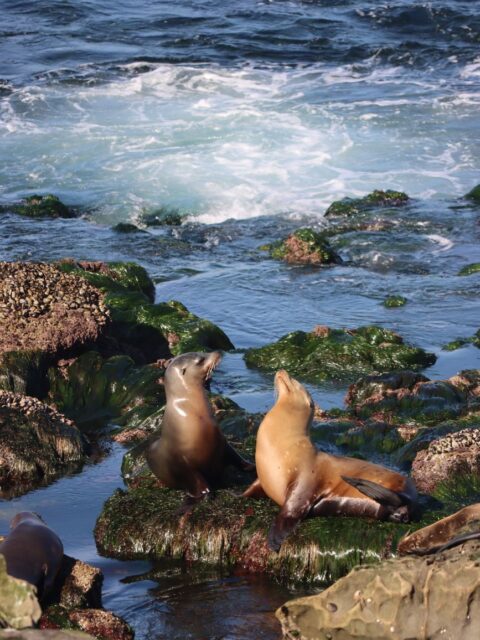
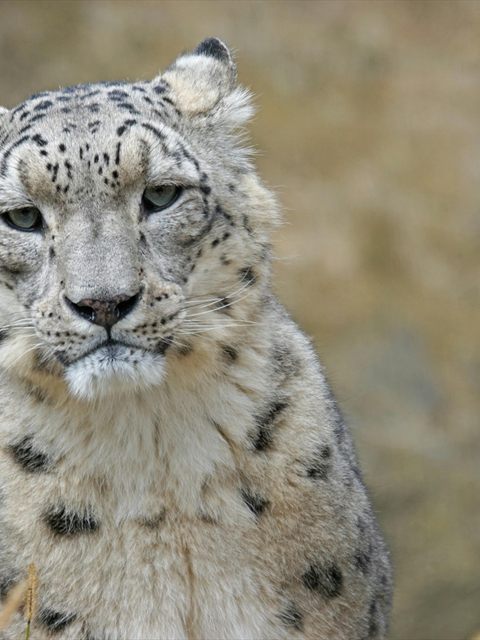
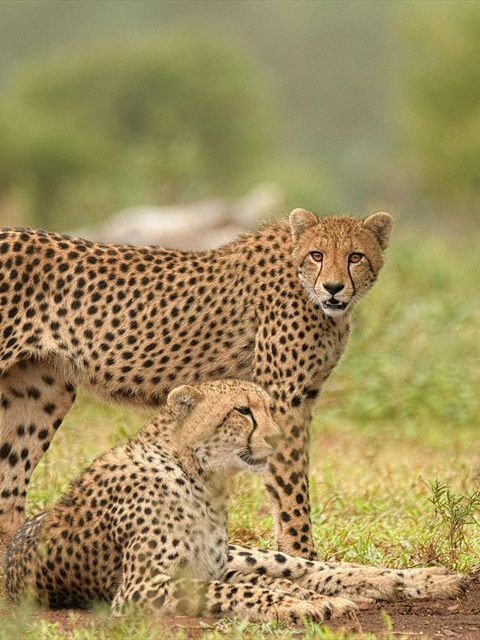
- Lions, leopards, cheetahs, hyenas, and wild dogs are known predators of Grant's Gazelle.
- Defense Mechanisms
- They rely on their speed and agility to escape predators, often using zigzag patterns to evade capture.
- Compatible Animals
- Zebras, wildebeests, other antelope species
- Found in Zoos
- Common