



GRANT'S ZEBRA
Equus quagga boehmi
DESCRIPTION
Grant's zebra, also known as the plains zebra, is characterized by its distinctive black and white stripes, which are unique to each individual. These stripes serve as a form of camouflage and help to confuse predators. Grant's zebras are social animals that live in herds, exhibiting strong social bonds and complex behaviors, including grooming and vocalizations.
FUN FACTS
- Grant's zebras are known for their unique stripe patterns, which are as individual as human fingerprints
- These stripes not only help with camouflage but also play a role in social interactions among zebras
- | Unlike many other equids, Grant's zebras are highly social and often engage in playful behaviors, such as running and chasing each other
- This social interaction is crucial for their development and helps strengthen bonds within the herd
QUICK INFO
Lifespan20-25 years in the wild, up to 40 in captivity
Average Weight220-350 kg
Average Length2.3-2.5 m
Diet TypeHerbivore
Social Structuregroup — they live in herds that can vary in size, often consisting of several females and their offspring led by a dominant male.
Activity PatternDiurnal
Breeding SeasonYear-round, with peaks during the rainy season
- Habitat
- Grant's zebras inhabit open grasslands, savannas, and woodlands. They prefer areas with access to water sources and abundant grazing opportunities.
- Biomes
- Savanna, Grassland
- Native Range
- Grant's zebra is native to eastern and southern Africa, primarily found in countries such as Kenya, Tanzania, and Botswana.
- Continent
- Africa
- Countries
- Kenya, Tanzania, Botswana, Namibia, South Africa, Zimbabwe
- Diet
- Grant's zebras are herbivores, primarily grazing on grasses and occasionally browsing on leaves and shrubs. They have a specialized digestive system that allows them to efficiently process fibrous plant material.
- Diet Type
- Herbivore
- Favorite Food
- grasses
- Social Structure
- group — they live in herds that can vary in size, often consisting of several females and their offspring led by a dominant male.
- Activity Pattern
- Diurnal
- Group Size
- 5-100
- Territorial
- 0
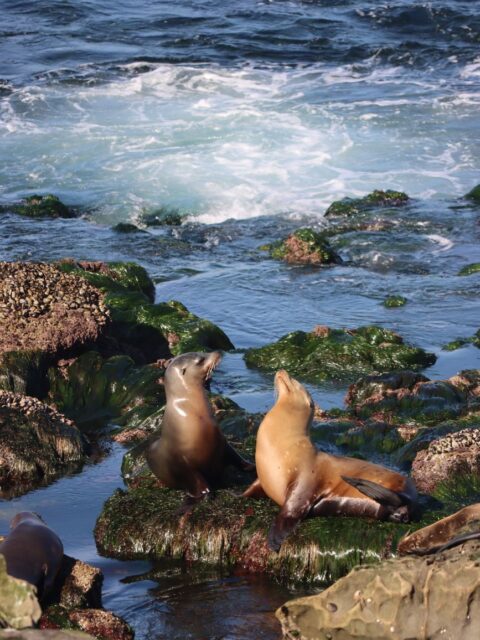 LC
LC
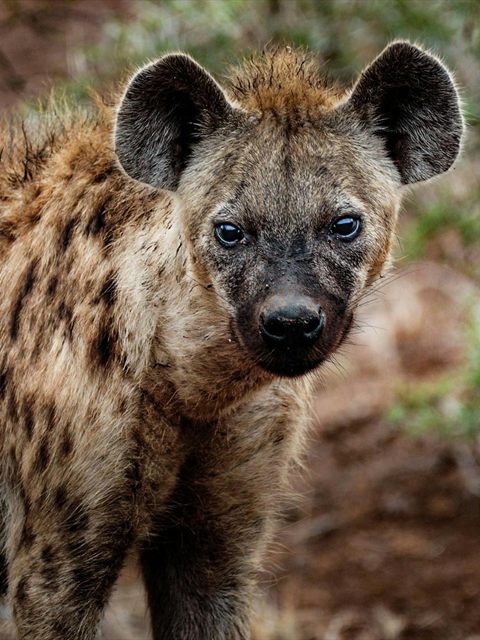 LC
LC
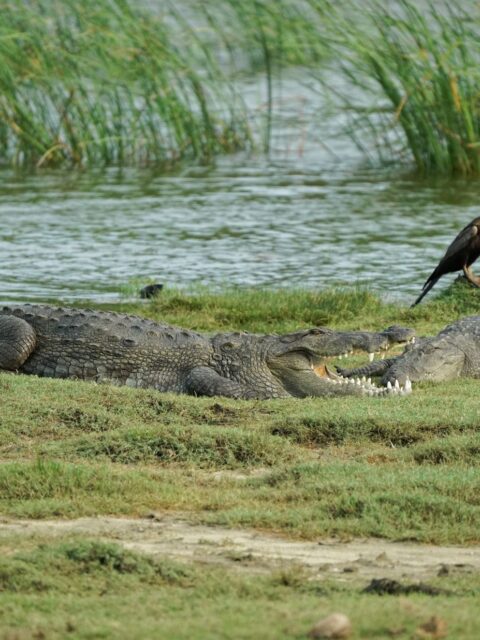 VU
VU
220-350 kg
Weight
2.3-2.5 m
Length
1.2 m at shoulder
Height (Shoulder)
- Coloration
- distinctive black and white stripes
- Sexual Dimorphism
- males are generally larger than females
- Lifespan
- 20-25 years in the wild, up to 40 in captivity
- Gestation Period
- 12-13 months
- Offspring per Birth
- 1
- Sexual Maturity
- 3-4 years
- Breeding Season
- Year-round, with peaks during the rainy season
LC
Least Concern
IUCN Red List Status
- Population Status
- The population of Grant's zebra is currently stable, but they face threats from habitat loss and hunting.
- Wild Population Estimate
- approximately 25,000
- Population Trend
- Stable
- Endangered
- 0
- Threats
- Main threats include habitat loss due to agricultural expansion and poaching for their skins. Additionally, competition with livestock for grazing resources poses a significant challenge.
- Conservation Program
- Various conservation programs are in place, including protected areas and wildlife reserves.
- Predators
- Lions, hyenas, crocodiles, and wild dogs are known predators of Grant's zebra.
- Defense Mechanisms
- Grant's zebras rely on their speed and agility to escape predators, as well as their strong herd dynamics to confuse and deter attackers.
- Compatible Animals
- none
- Found in Zoos
- Common