



GRAY'S ANTELOPE
Tetracerus quadricornis
DESCRIPTION
Gray's Antelope (Tetracerus quadricornis) is commonly known as the four-horned antelope due to its unique horn structure, where both males and females possess two pairs of horns. This small antelope has a compact body with a reddish-brown coat, white markings on the face, and a distinctive white stripe along its sides. They are primarily found in dense forests and scrublands, where they exhibit shy and elusive behavior, often relying on their camouflage to avoid predators.
FUN FACTS
- Gray's Antelope is unique among antelopes for its four horns, which are a rare trait in the animal kingdom
- These horns are not only a distinguishing feature but also play a role in social interactions and mating displays
- | Despite their small size, Gray's Antelope are incredibly agile and can navigate through dense underbrush with ease, making them adept at escaping from predators
- Their elusive nature often makes them a challenge to observe in the wild
QUICK INFO
Lifespan10-15 years in the wild, up to 20 years in captivi
Average Weight25-50 kg
Average Length0.9-1.2 m
Diet TypeHerbivore
Social Structuresolitary or small groups, typically consisting of a few individuals.
Activity PatternCrepuscular
Breeding SeasonYear-round, with peaks during the monsoon season
- Habitat
- They inhabit dense forests, scrublands, and hilly terrains, often preferring areas with ample cover for protection. Their habitat is typically characterized by a mix of open grassland and dense underbrush.
- Biomes
- Tropical Rainforest, Savanna
- Native Range
- Gray's Antelope is native to the Indian subcontinent, particularly found in India and parts of Nepal.
- Continent
- Asia
- Countries
- India, Nepal
- Diet
- Gray's Antelope primarily feeds on grasses, leaves, and shoots, favoring young and tender vegetation.
- Diet Type
- Herbivore
- Favorite Food
- grasses and young leaves
- Social Structure
- solitary or small groups, typically consisting of a few individuals.
- Activity Pattern
- Crepuscular
- Group Size
- 1-5
- Territorial
- 0
 VU
VU
 EN
EN
25-50 kg
Weight
0.9-1.2 m
Length
0.6-0.9 m at shoulder
Height (Shoulder)
- Coloration
- reddish-brown coat with white facial markings and stripes
- Sexual Dimorphism
- males have larger and more prominent horns than females
- Lifespan
- 10-15 years in the wild, up to 20 years in captivi
- Gestation Period
- 210 days
- Offspring per Birth
- 1
- Sexual Maturity
- 1-2 years
- Breeding Season
- Year-round, with peaks during the monsoon season
VU
Vulnerable
IUCN Red List Status
- Population Status
- The population of Gray's Antelope is currently declining due to habitat loss and hunting.
- Wild Population Estimate
- 10,000-15,000
- Population Trend
- Decreasing
- Endangered
- 1
- Threats
- Main threats include habitat destruction due to agriculture and urbanization, as well as poaching for their horns and meat. These factors have significantly impacted their population numbers.
- Conservation Program
- Various conservation efforts are underway in protected areas to safeguard their habitat and reduce poaching.
- Predators
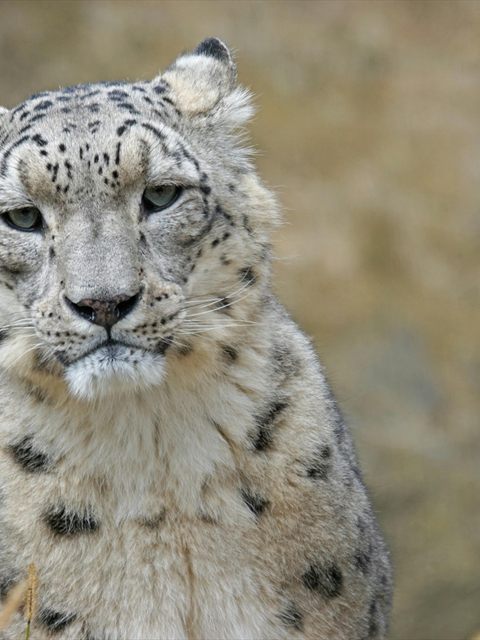
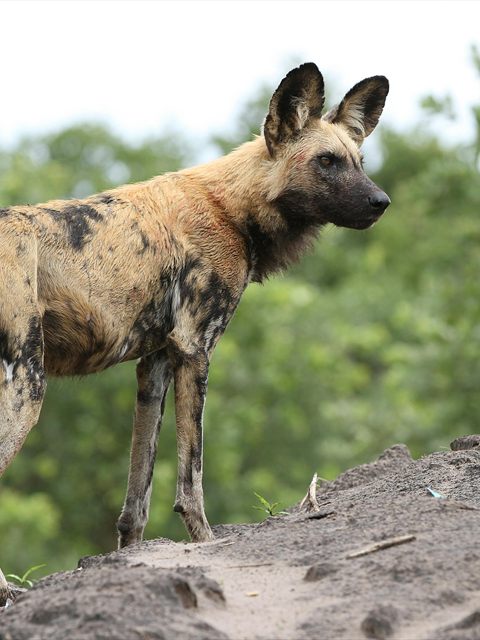
- Main predators include tigers, leopards, and wild dogs.
- Defense Mechanisms
- They rely on their excellent camouflage and agility to evade predators, often freezing in place to avoid detection.
- Found in Zoos
- Uncommon