


GREAT BLUE HERON
Ardea herodias
DESCRIPTION
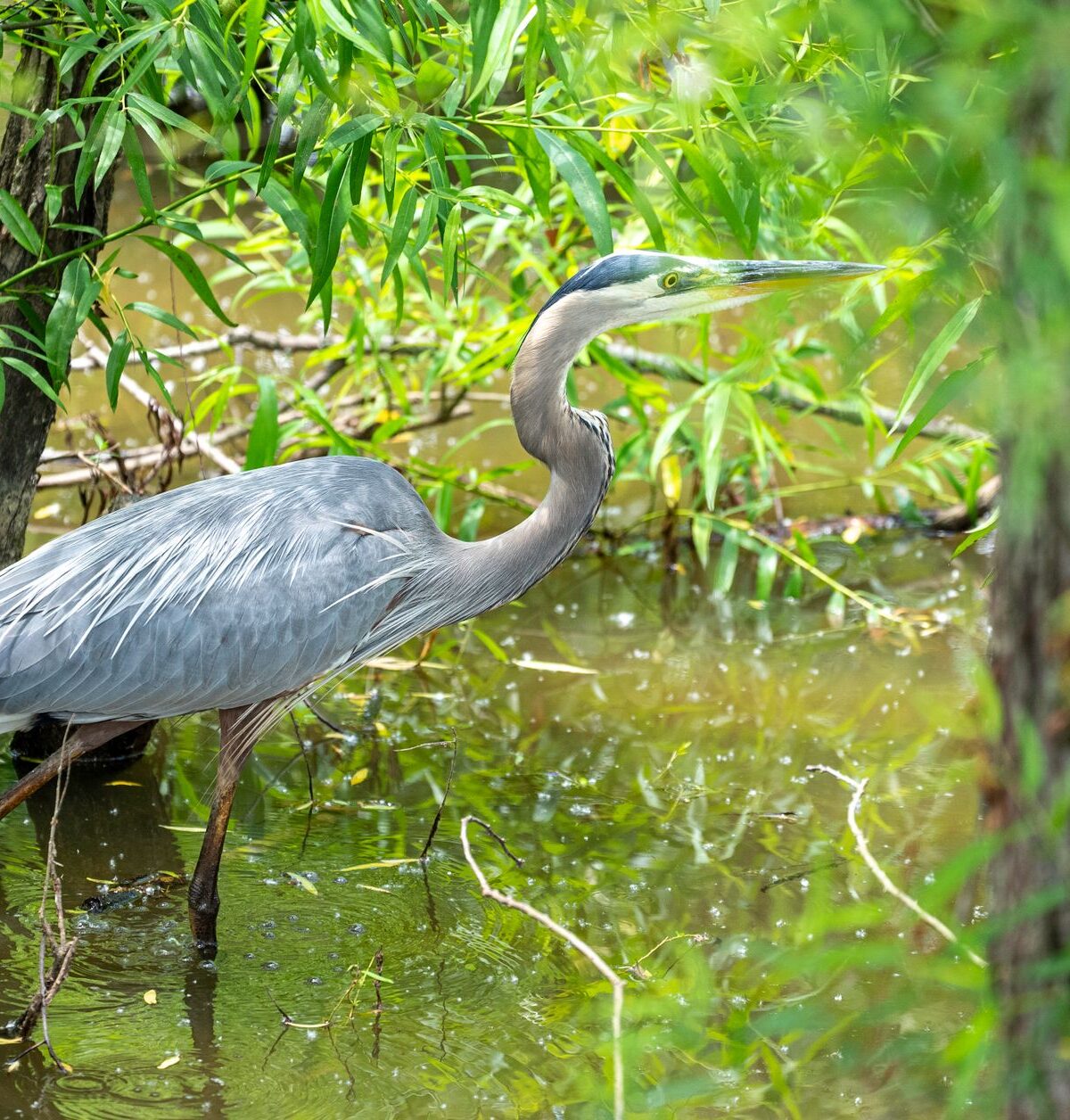
Great Blue Heron (Ardea herodias) is a large wading bird known for its striking blue-gray plumage and long legs. It features a distinctive long neck and a sharp, pointed bill, which it uses to catch fish and other prey. This species is often seen standing still in shallow waters, patiently waiting to strike at fish, showcasing its remarkable hunting skills.
FUN FACTS
- Great Blue Herons can stand still for long periods, allowing them to blend into their surroundings and avoid detection by prey
- They are also known for their impressive wingspan, which can reach up to 2 meters, making them one of the largest herons in North America.|These birds are highly adaptable and can thrive in both freshwater and saltwater environments
- Their ability to hunt effectively in various habitats contributes to their widespread distribution across North America
QUICK INFO
Lifespan15-20 years in the wild, up to 30 in captivity
Average Weight2.5-5.5 kg
Average Length1.0-1.3 m
Diet TypePiscivore
Social Structuresolitary, often seen alone or in pairs during breeding season
Activity PatternDiurnal
Breeding SeasonSpring (March-May)
- Habitat
- Great Blue Herons inhabit a variety of wetland environments, including marshes, lakes, rivers, and coastal areas. They prefer areas with abundant shallow water where they can hunt for food.
- Biomes
- Wetlands, Freshwater, Coastal
- Native Range
- Great Blue Herons are found throughout North America, from Canada to the southern United States, and they also inhabit parts of Central America.
- Continent
- North America
- Countries
- United States, Canada, Mexico
- Diet
- Great Blue Herons primarily feed on fish, but they also consume amphibians, reptiles, and small mammals. Their hunting technique involves standing motionless or slowly stalking their prey before striking with precision.
- Diet Type
- Piscivore
- Favorite Food
- fish
- Social Structure
- solitary, often seen alone or in pairs during breeding season
- Activity Pattern
- Diurnal
- Group Size
- 1-5
- Territorial
- 1
 LC
LC
 CR
CR
 LC
LC
 LC
LC
2.5-5.5 kg
Weight
1.0-1.3 m
Length
1.2 m at shoulder
Height (Shoulder)
- Coloration
- blue-gray body with a white head and neck, and black streaks on the head
- Lifespan
- 15-20 years in the wild, up to 30 in captivity
- Offspring per Birth
- 2-6
- Sexual Maturity
- 2-3 years
- Breeding Season
- Spring (March-May)
LC
Least Concern
IUCN Red List Status
- Population Status
- The population of Great Blue Herons is generally stable, with some local increases in certain areas.
- Wild Population Estimate
- 100,000-200,000
- Population Trend
- Stable
- Endangered
- 0
- Threats
- Main threats include habitat loss due to wetland drainage and pollution. Additionally, they face risks from human disturbance and climate change.
- Predators
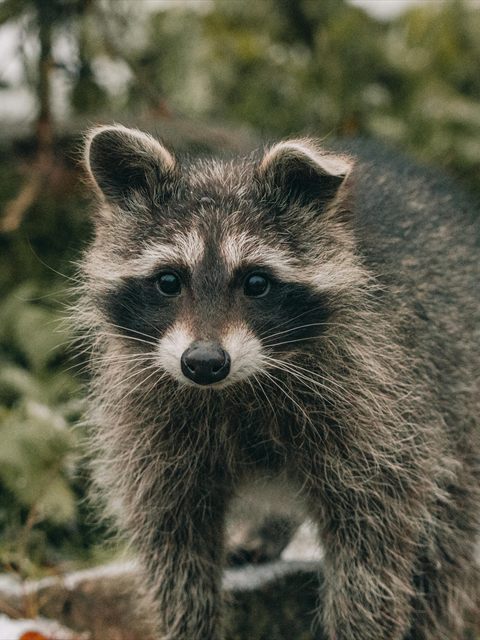
- eagles, hawks, raccoons, and large fish
- Defense Mechanisms
- Great Blue Herons rely on their size and ability to fly away quickly to escape predators.
- Compatible Animals
- other wading birds, ducks
- Found in Zoos
- Uncommon