



GREAT GREY OWL
Strix nebulosa
DESCRIPTION
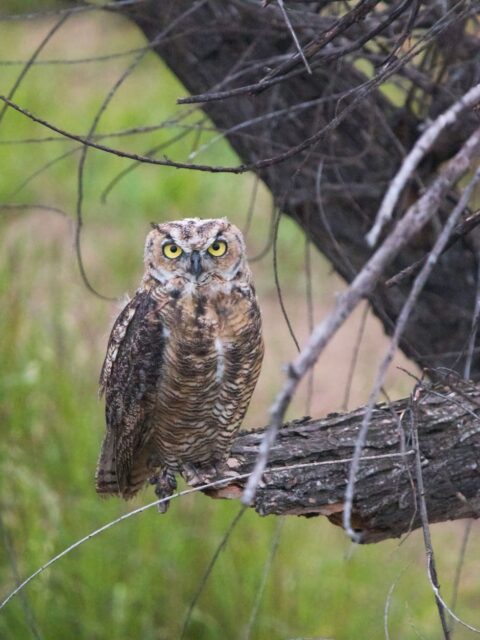
The Great Grey Owl is one of the largest owl species, characterized by its strikingly large head and distinctive facial disc. Its plumage is predominantly grey with intricate patterns of white and brown, providing excellent camouflage in its forested habitat. Known for its silent flight and exceptional hearing, this owl primarily hunts small mammals, making it a skilled predator in its ecosystem.
FUN FACTS
- The Great Grey Owl has the ability to hear a mouse moving under a foot of snow, allowing it to hunt effectively even in harsh winter conditions
- | This species is known for its impressive wingspan, which can reach up to 1.5 meters, making it one of the largest owls in the world
QUICK INFO
Lifespan10-15 years in the wild, up to 25 years in captivi
Average Weight1.5-2.5 kg
Average Length60-70 cm
Diet TypeCarnivore
Social StructureSolitary, typically roosting alone except during breeding.
Activity PatternNocturnal
Breeding SeasonSpring (March-April)
- Habitat
- Great Grey Owls inhabit dense coniferous forests, often near open areas such as meadows or wetlands. They prefer habitats that provide ample hunting grounds and nesting sites.
- Biomes
- Taiga, Boreal Forest
- Native Range
- The Great Grey Owl is found across the northern parts of North America and Eurasia, including Canada, Alaska, and parts of Europe and Asia.
- Continent
- North America, Europe, Asia
- Countries
- Canada, United States, Russia, Sweden, Finland, Norway
- Diet
- The Great Grey Owl primarily feeds on small mammals, particularly voles and mice. It has been known to hunt birds and occasionally insects when small mammals are scarce.
- Diet Type
- Carnivore
- Favorite Food
- Voles, mice
- Social Structure
- Solitary, typically roosting alone except during breeding.
- Activity Pattern
- Nocturnal
- Group Size
- 1
- Territorial
- 1
 LC
LC
1.5-2.5 kg
Weight
60-70 cm
Length
- Coloration
- Predominantly grey with white and brown mottling.
- Sexual Dimorphism
- Females are generally larger than males.
- Lifespan
- 10-15 years in the wild, up to 25 years in captivi
- Offspring per Birth
- 2-4
- Sexual Maturity
- 2-3 years
- Breeding Season
- Spring (March-April)
LC
Least Concern
IUCN Red List Status
- Population Status
- The population is considered stable, but local declines may occur due to habitat loss.
- Wild Population Estimate
- 50,000-100,000
- Population Trend
- Stable
- Endangered
- 0
- Threats
- Main threats include habitat destruction due to logging and land development. Climate change may also impact their prey availability and habitat suitability.
- Predators
- Great Horned Owls, larger raptors, and humans (indirectly through habitat destruction).
- Defense Mechanisms
- Great Grey Owls rely on their camouflage and silent flight to avoid detection by predators.
- Found in Zoos
- Uncommon